





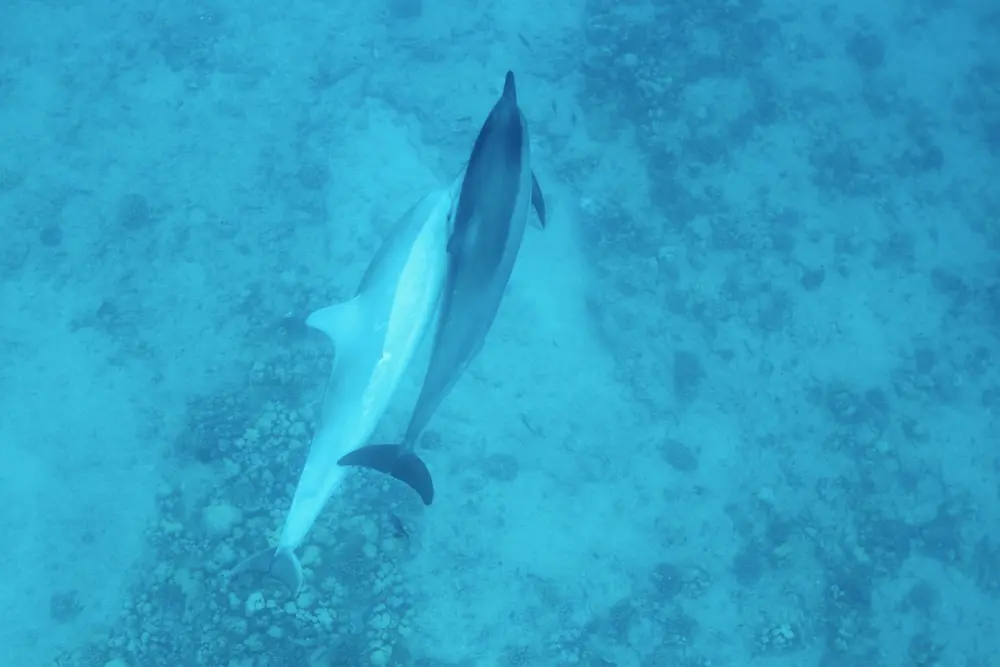
Dolphin Stomach Facts in Hawaii
From forestomach to pyloric chamber, discover how dolphins safely digest sharp bones and squid beaks, then watch pods in Hawaii’s clear water.
From forestomach to pyloric chamber, discover how dolphins safely digest sharp bones and squid beaks, then watch pods in Hawaii’s clear water.
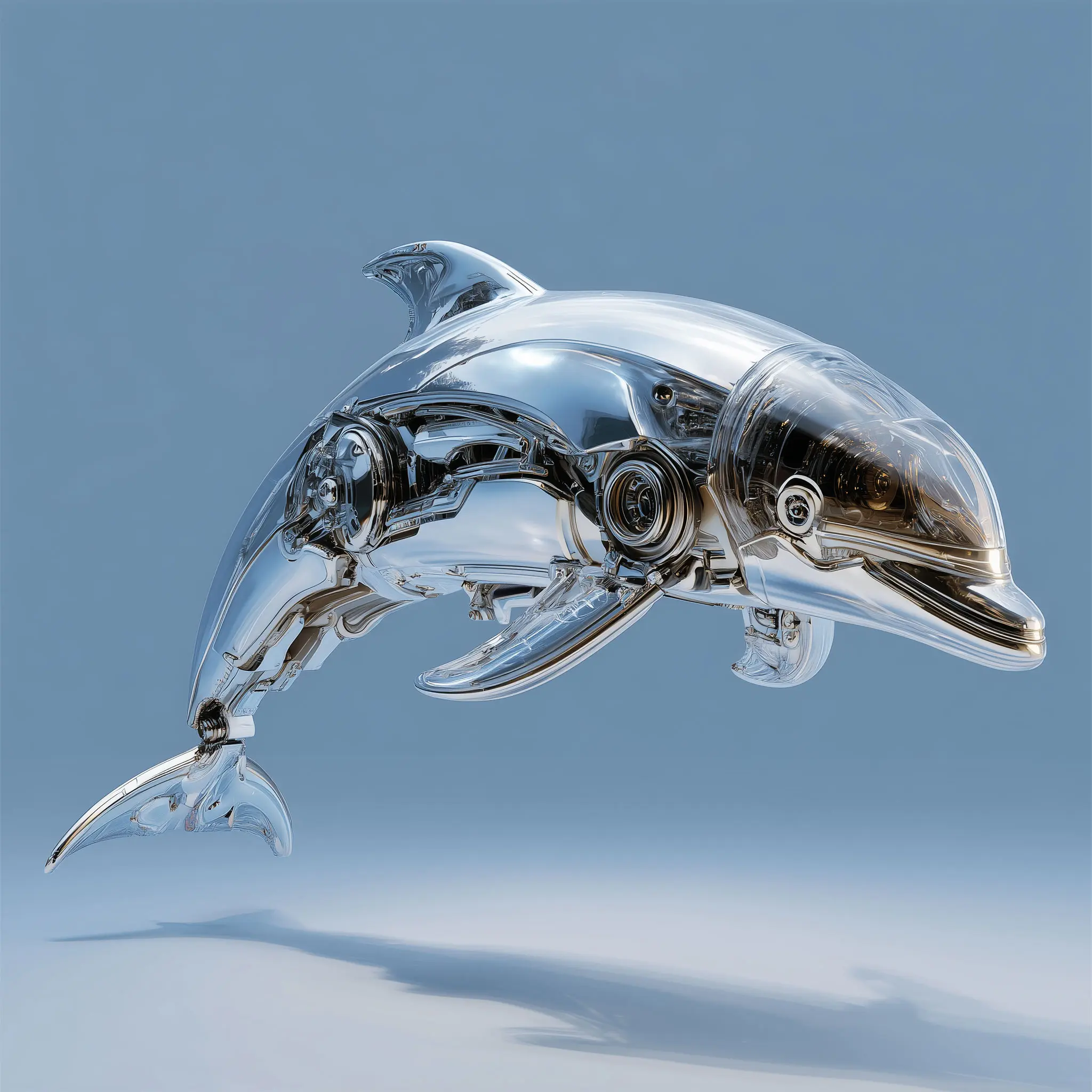
Robotic dolphins can put on a show, but the sea tells the real story. This clean, updated guide explains why wild dolphin viewing is best, confirms that Sea Life Park on Oahu is an aquarium with a dolphin presentation, and outlines how Dolphins and You offers a safe and respectful open ocean experience.
Dolphins face a growing squeeze from climate change. Warmer water, higher seas, and shifting prey make it harder for them to find food and safe places to live. Changes in ocean chemistry can also interfere with echolocation. Stress, disease, and entanglement risks rise as dolphins move into busier waters. Some small or isolated populations could decline fast, and a few could disappear.
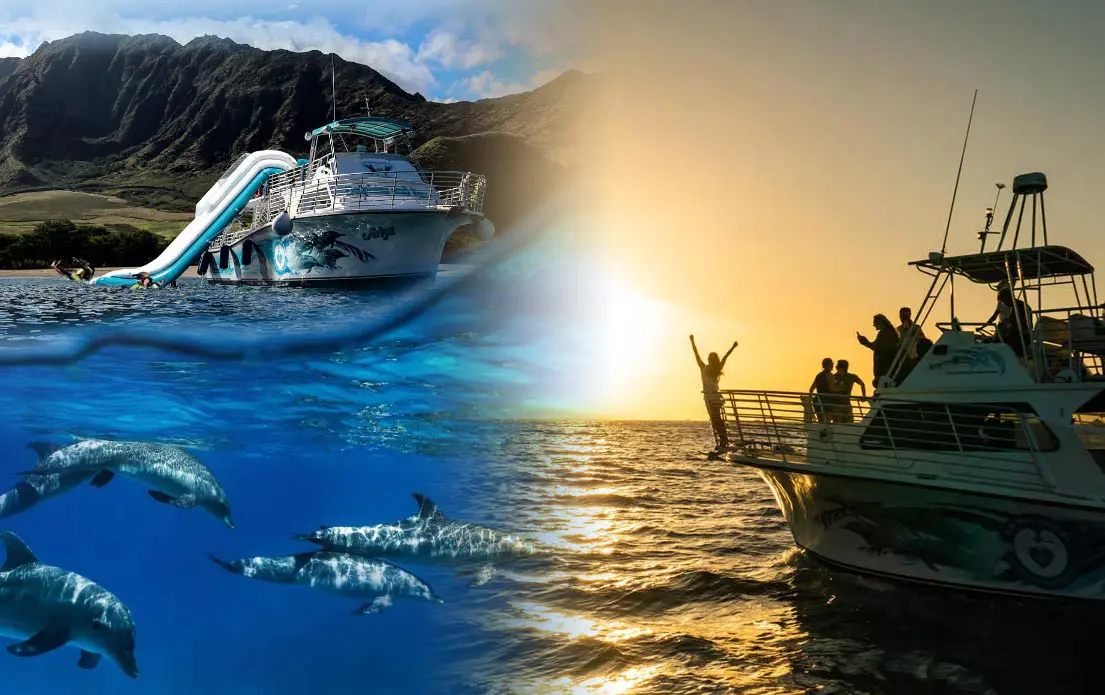
After an unforgettable Oahu Dolphin Tour filled with sunshine, ocean breezes, and memories made in the water, your day in paradise doesn’t have to end. Whether you’re in the mood for a relaxing cruise, a romantic cocktail at sea, or a high-energy hula show, Waikiki offers the perfect next step. Cap off your adventure with a fresh shower, a tasty bite, and one more round of fun before the stars light up the sky.
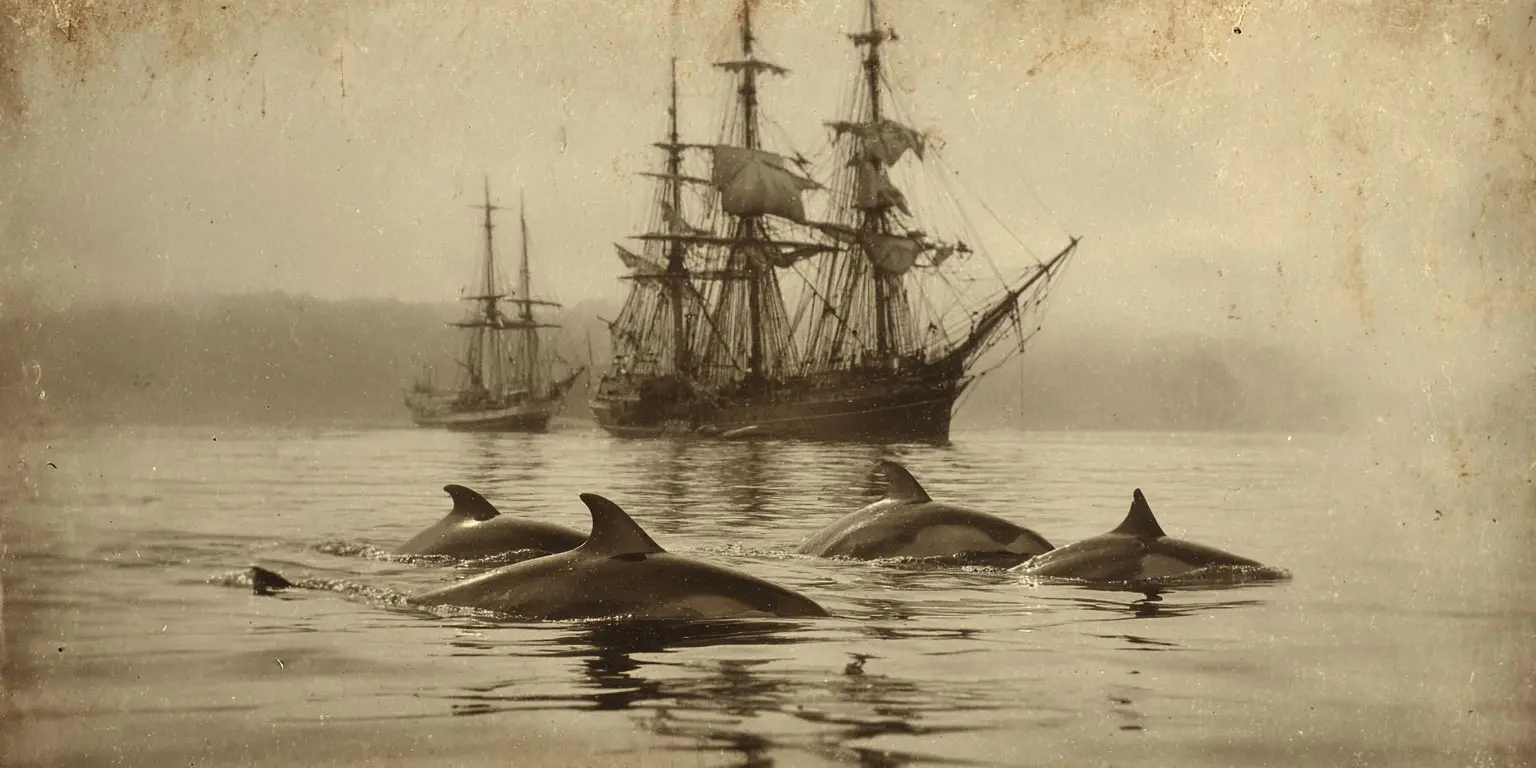
Long before fireworks lit up the skies, dolphins were making waves near Revolutionary War ships. This post uncovers rare stories, sketches, and folklore linking dolphins to 1776, a hidden part of American independence that swam quietly beneath the surface.
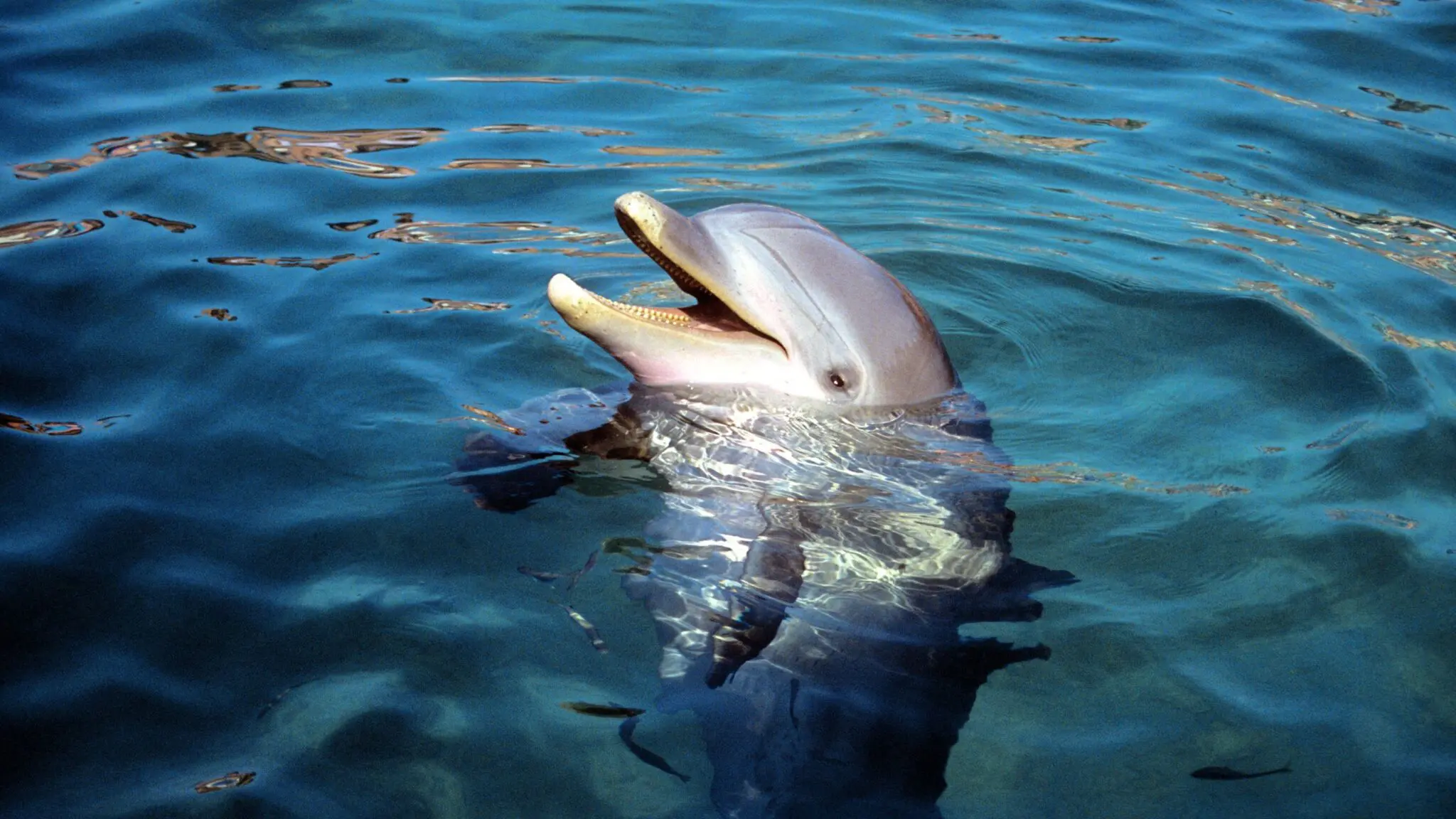
The Waianae Coast is not where spinner dolphins end up by accident. Warm, sheltered bays, deep water just offshore, and reliable food sources make this stretch of West Oahu one of the most consistently productive dolphin habitats on Earth. Here is exactly why they keep coming back.
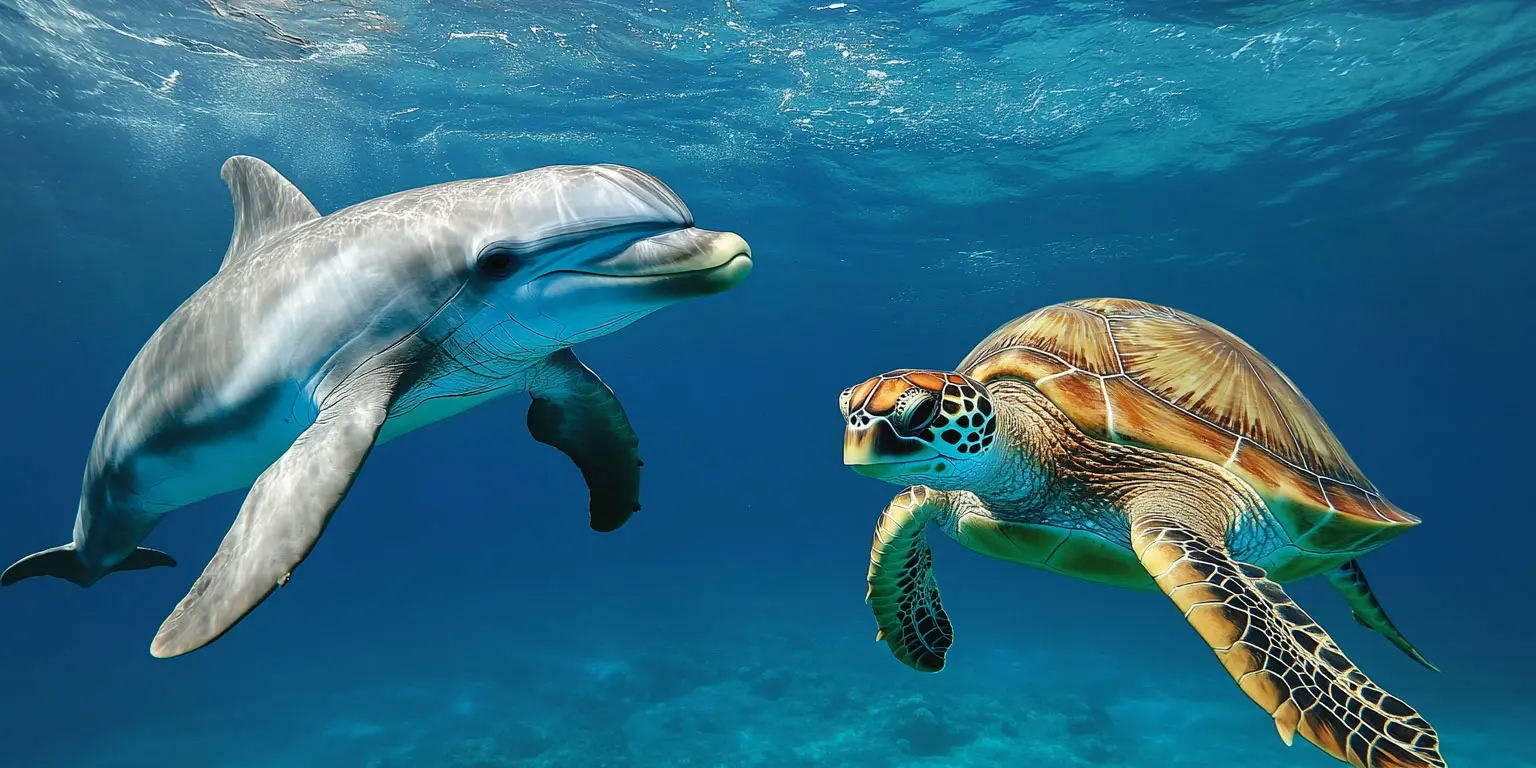
On a morning tour off Oahu's Waianae Coast, it is common to see spinner dolphins and Hawaiian green sea turtles in the same stretch of water. This is not a coincidence. Here is why these two species share the same habitat, and what that means for what you will see.
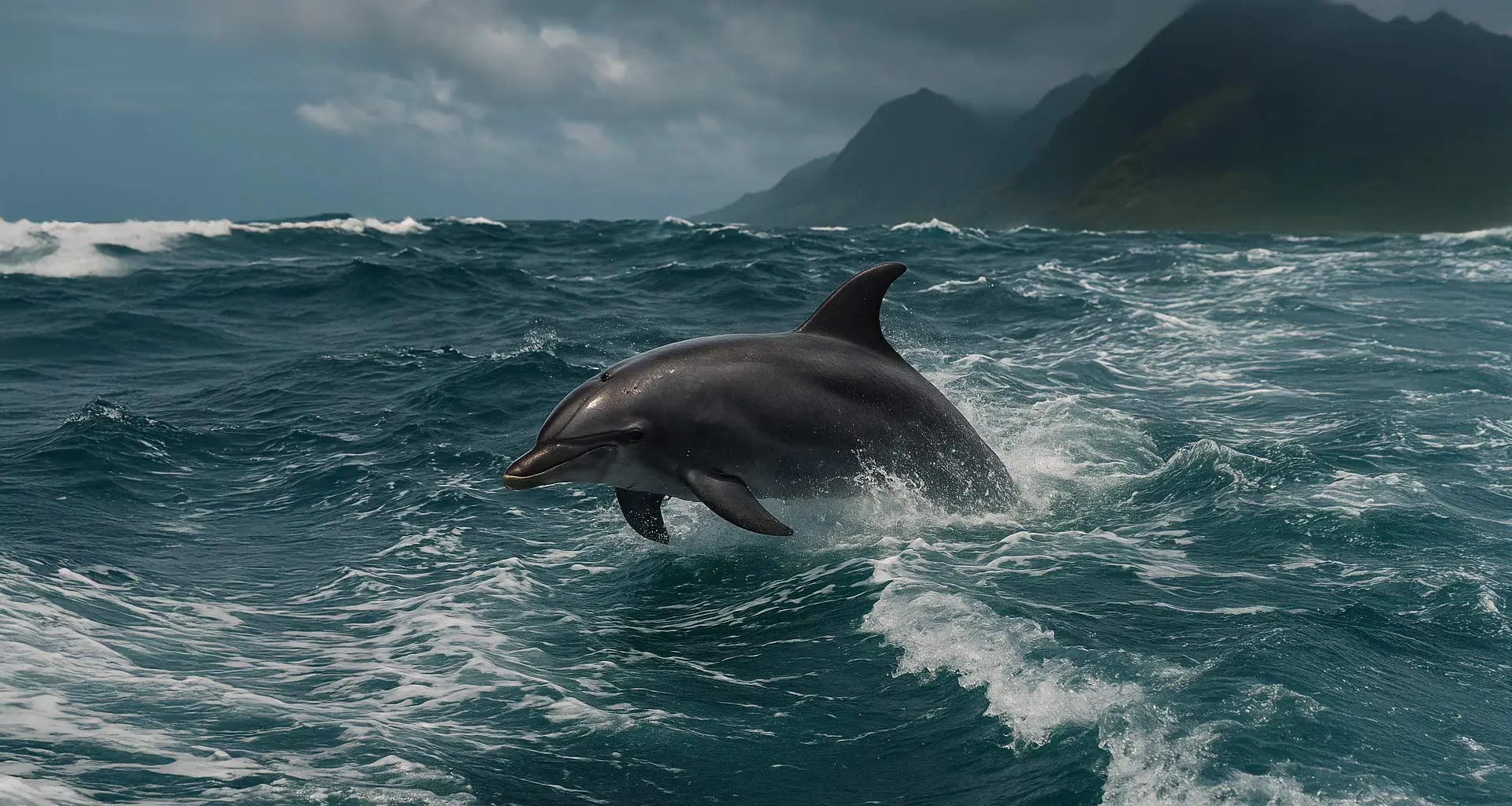
Oahu's weather changes fast, and the west coast is often sunny even when Waikiki is wet. Here is everything you need to know about how Dolphins and You handles weather, when tours are canceled, what happens to your booking, and how trip protection works.
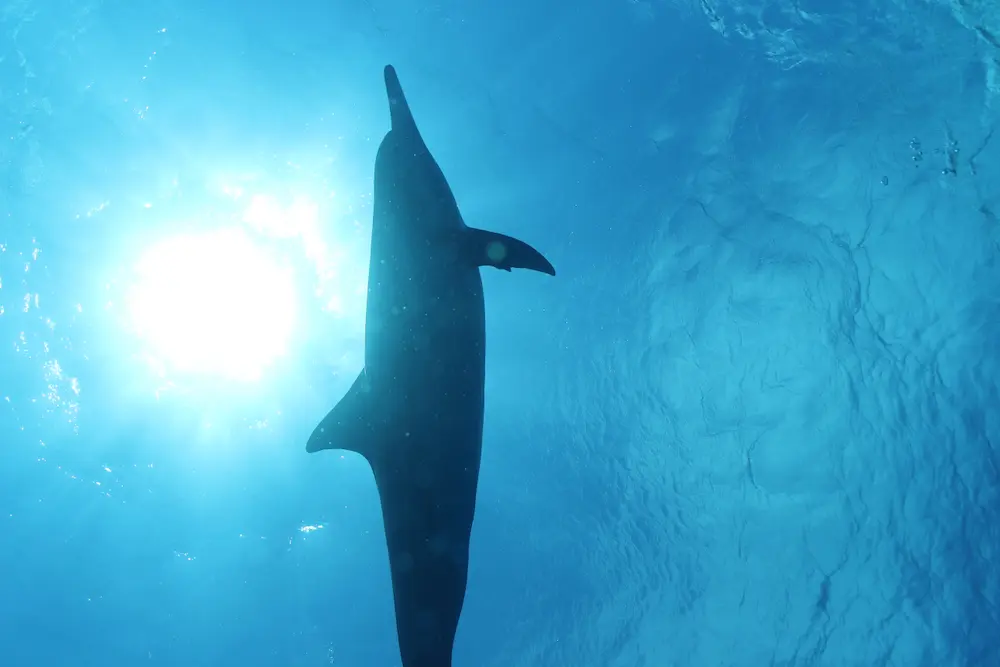
Dolphins are one of Hawaii's most popular wildlife attractions, but not all dolphin tours are equal. Some operators follow NOAA regulations. Some do not. Here is how to tell the difference, what the rules actually say, and how to experience dolphins in Oahu the right way.
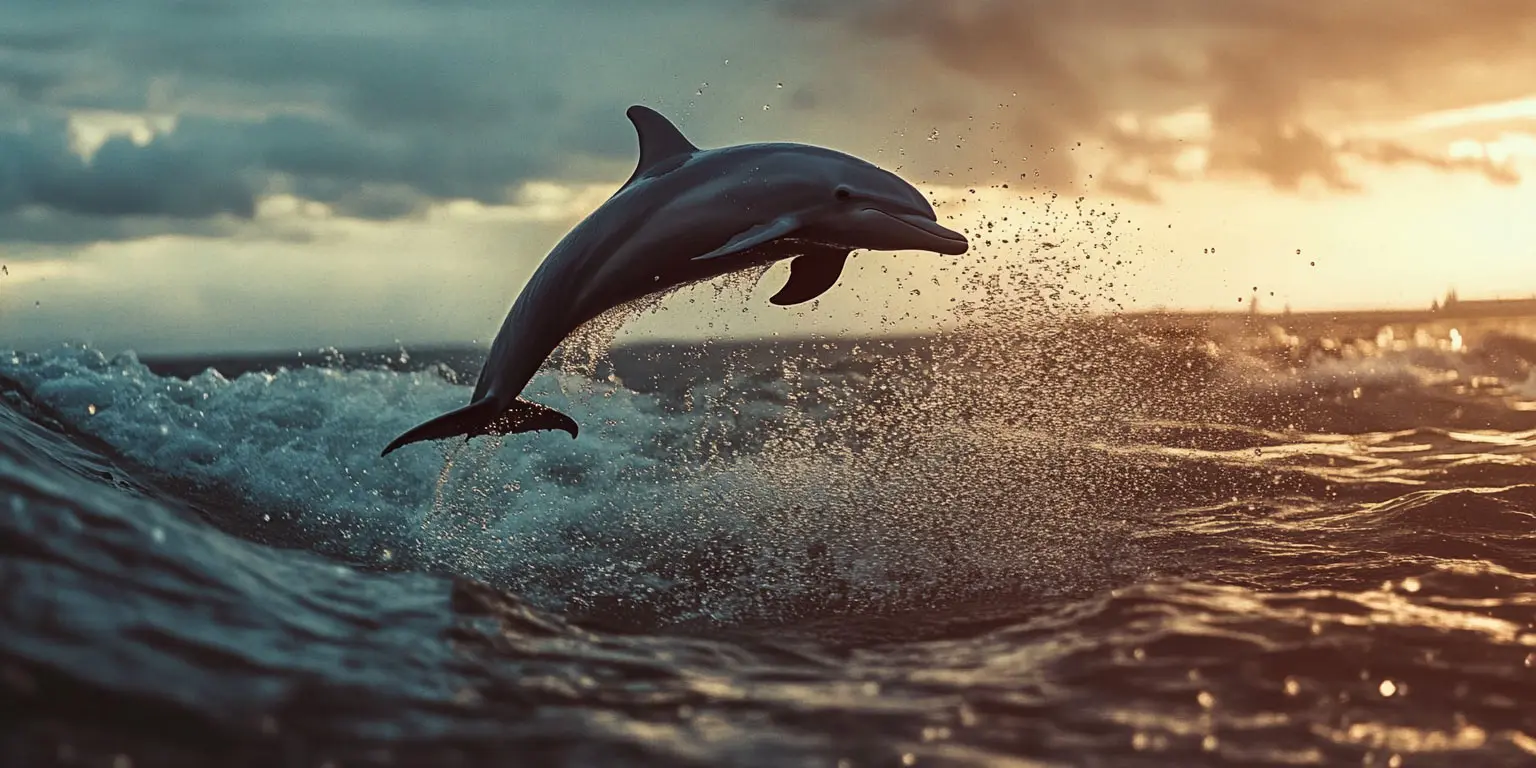
When you watch a spinner dolphin launch itself out of the water off Oahu's Waianae Coast, you are seeing behavior that scientists have spent decades trying to fully explain. Jumping, spinning, and spraying all serve real purposes, and some of those purposes are more surprising than you might expect.
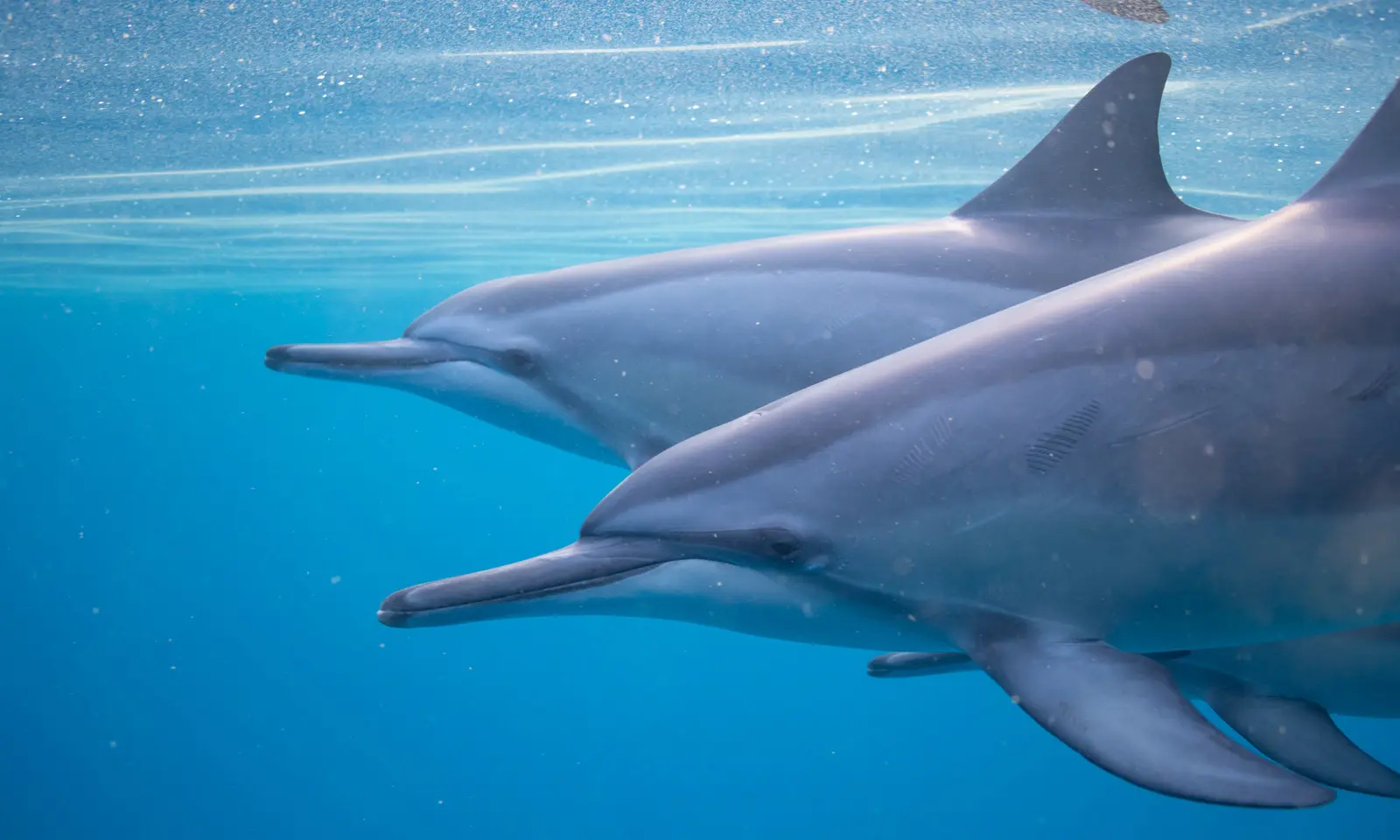
Dolphins have brains more complex than chimpanzees, memories that last over 20 years, and the ability to recognize themselves in mirrors. But what does that actually mean, and how does it show up in the wild? Here is what science has discovered about dolphin intelligence, and what you can observe for yourself off the Waianae Coast.
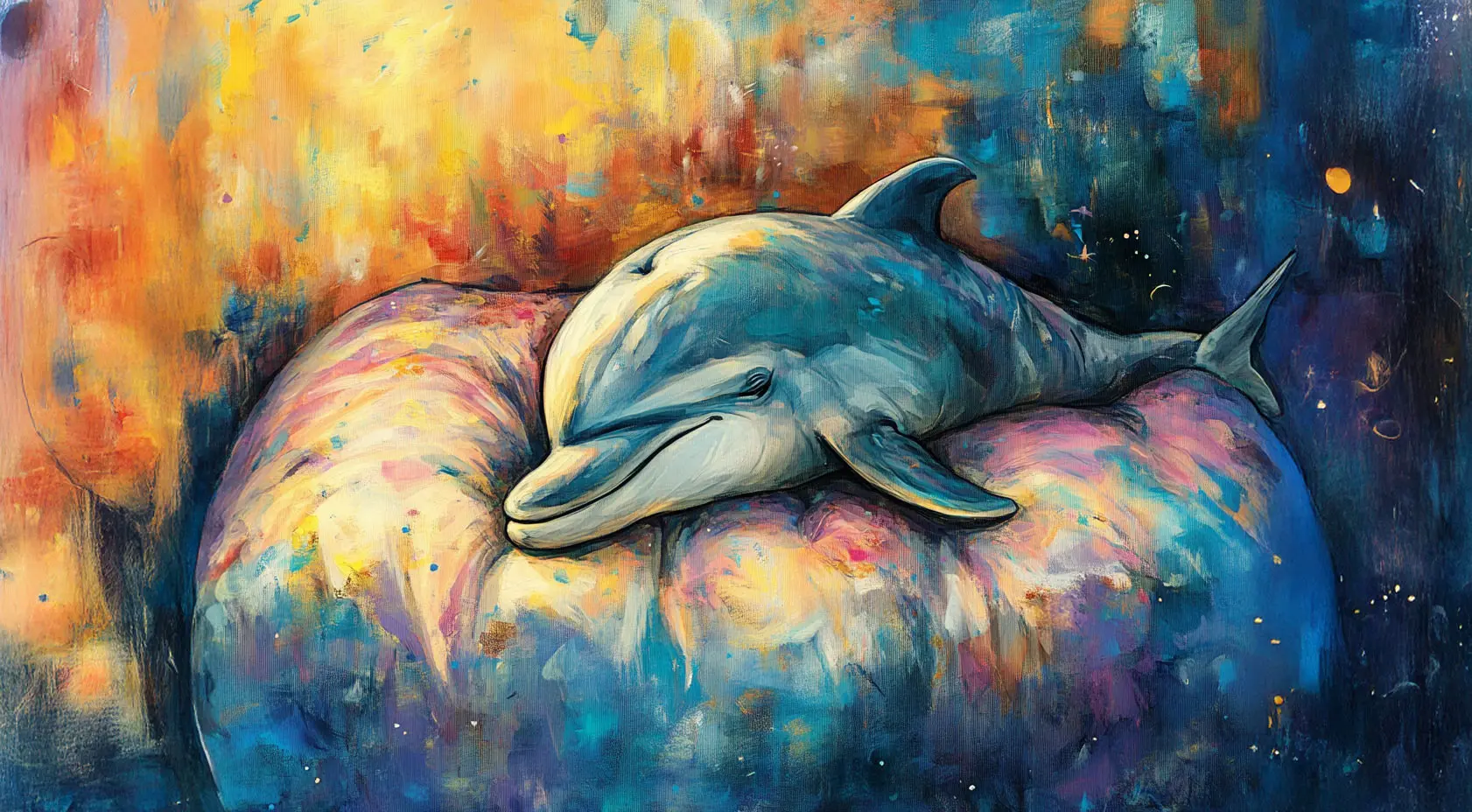
Dolphins are smart, social, and full of surprises, especially when it comes to how they sleep. These ocean mammals don’t snooze like humans. Instead, they rest with one eye open and half their brain awake. Learn how they survive sleep at sea, stay alert to danger, and stay hydrated in the ocean.
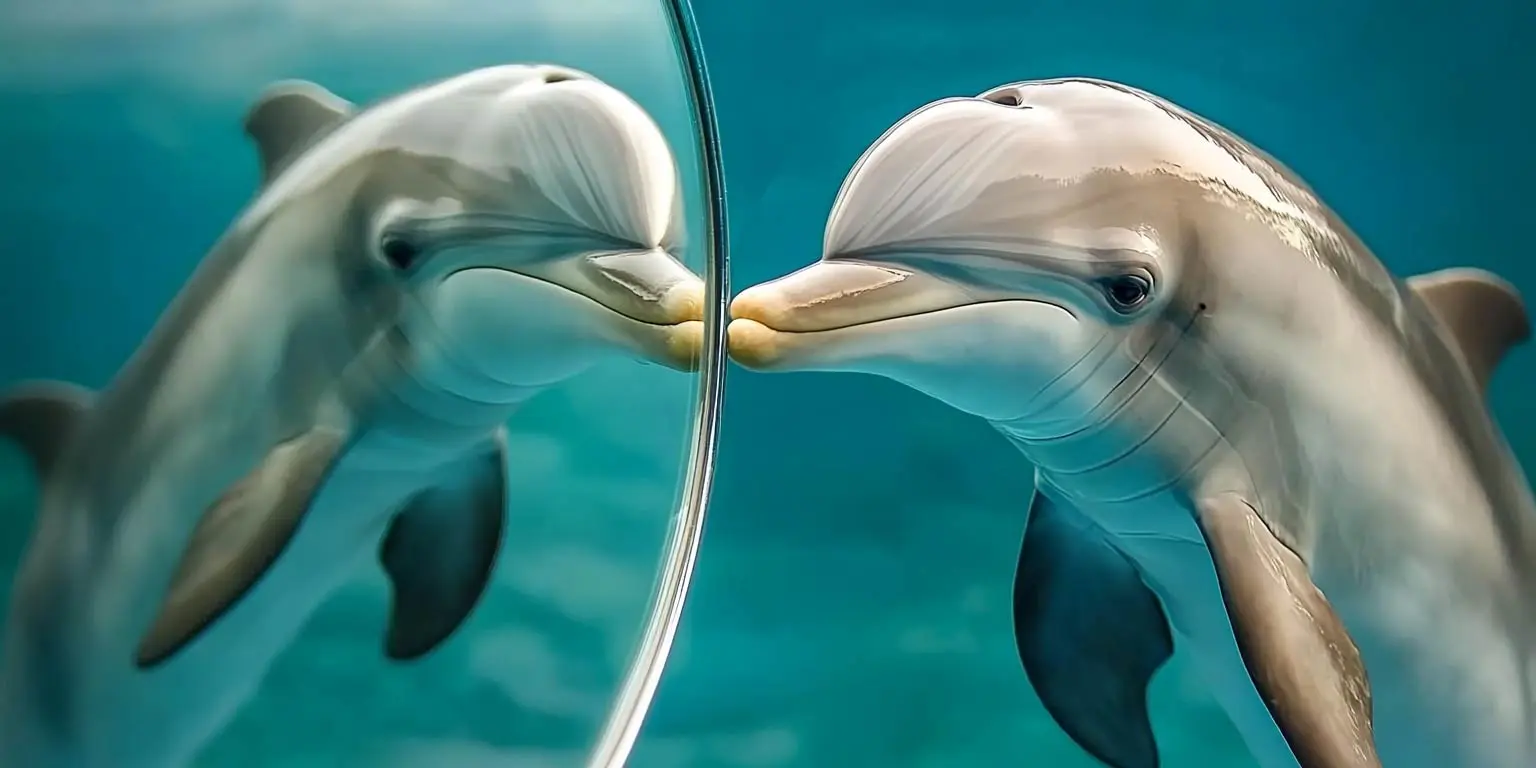
Every dolphin develops a unique sound in the first months of life that functions as an individual name. Other dolphins learn it, use it to call that specific animal, and remember it for decades. Here is how signature whistles work and what they reveal about the social intelligence of Hawaiian spinner dolphins.
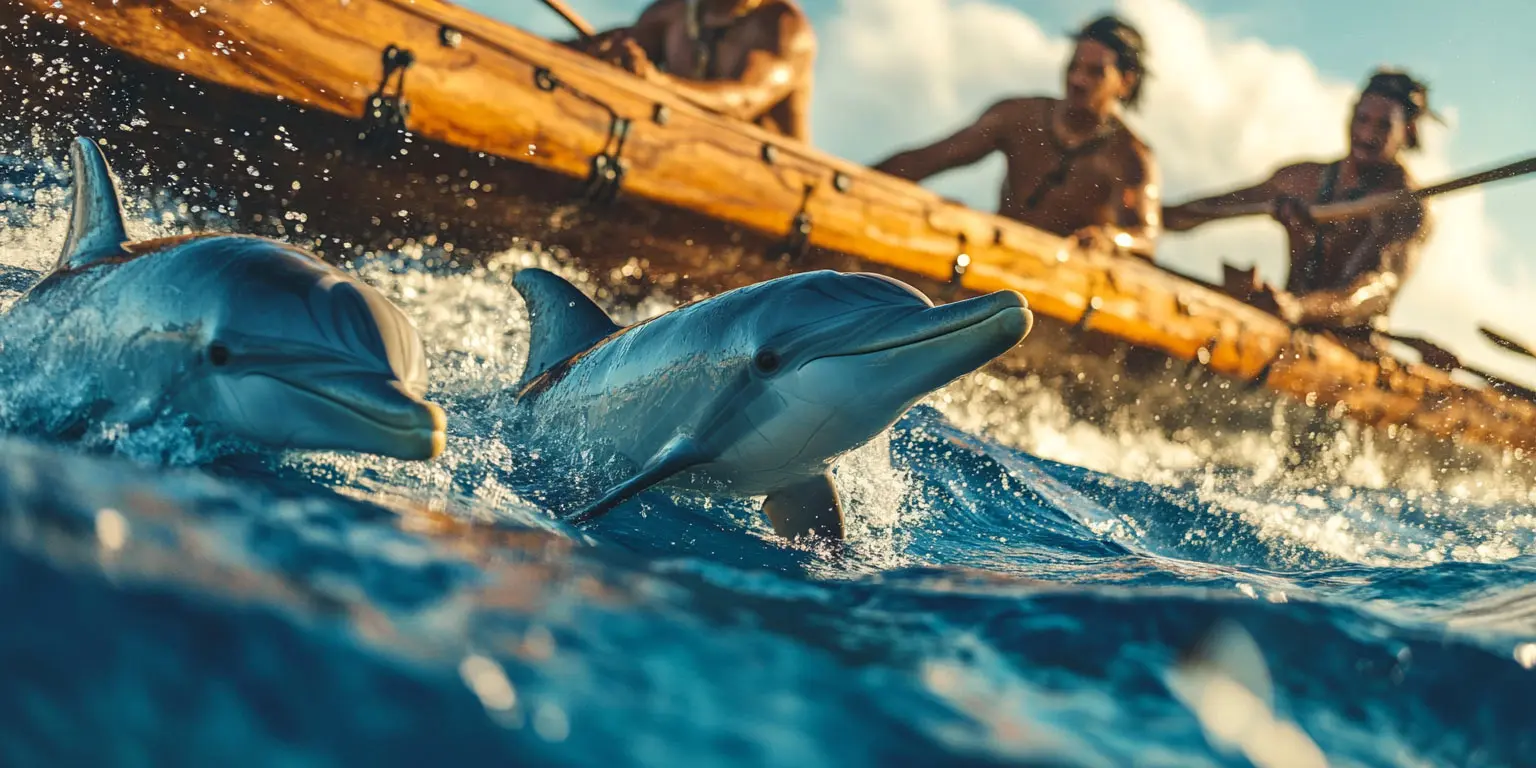
Dolphin watching in Hawaiʻi is more than a tourist activity—it’s a tradition rooted in native navigation, maritime history, and a deep cultural respect for marine life. From ancient canoes to modern catamarans, Hawaiians and visitors alike have shared a centuries-long bond with these intelligent creatures.
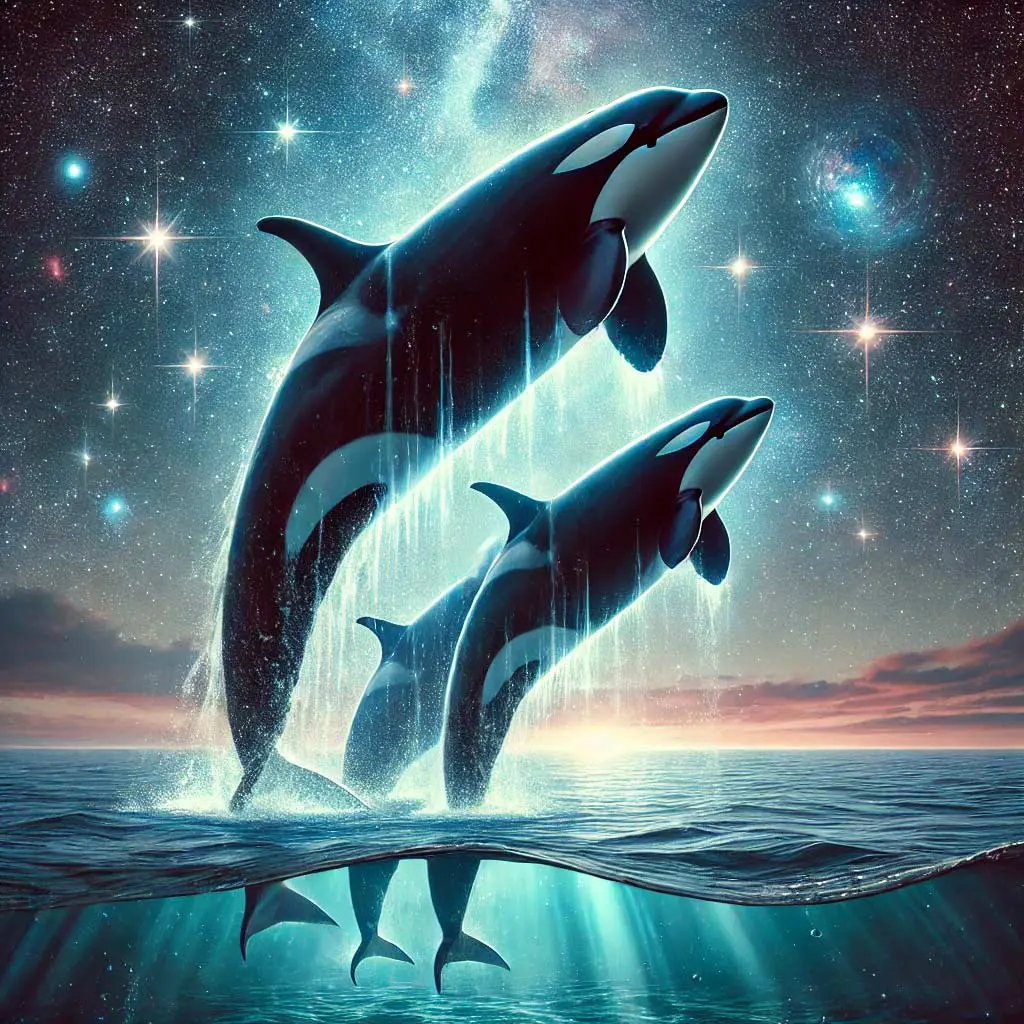
While the cause of this tragic event isn't definitively known, the possibility of a polar shift affecting marine life raises important questions. Can false killer whales and other species evolve quickly enough to keep up with Earth's changing conditions? Or will we see more of these heartbreaking strandings in the future?