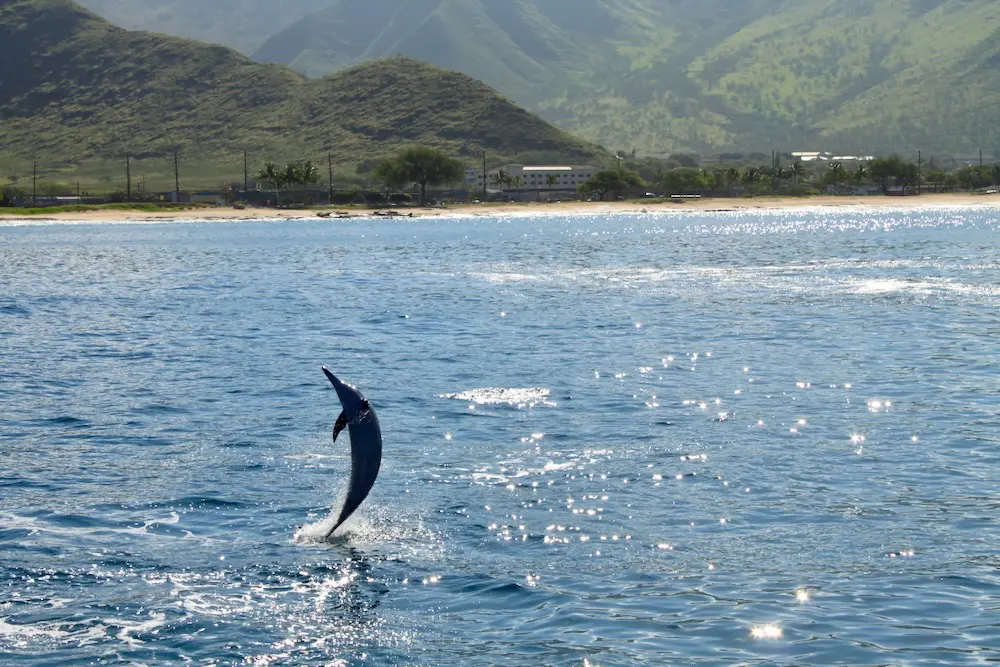


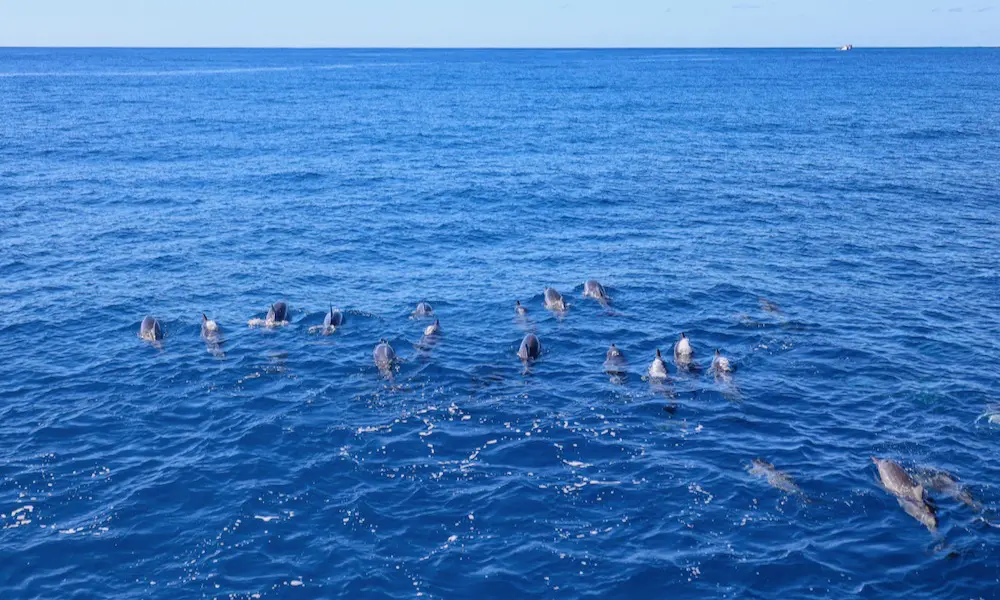
What Animals Can You See on an Oahu Dolphin Tour
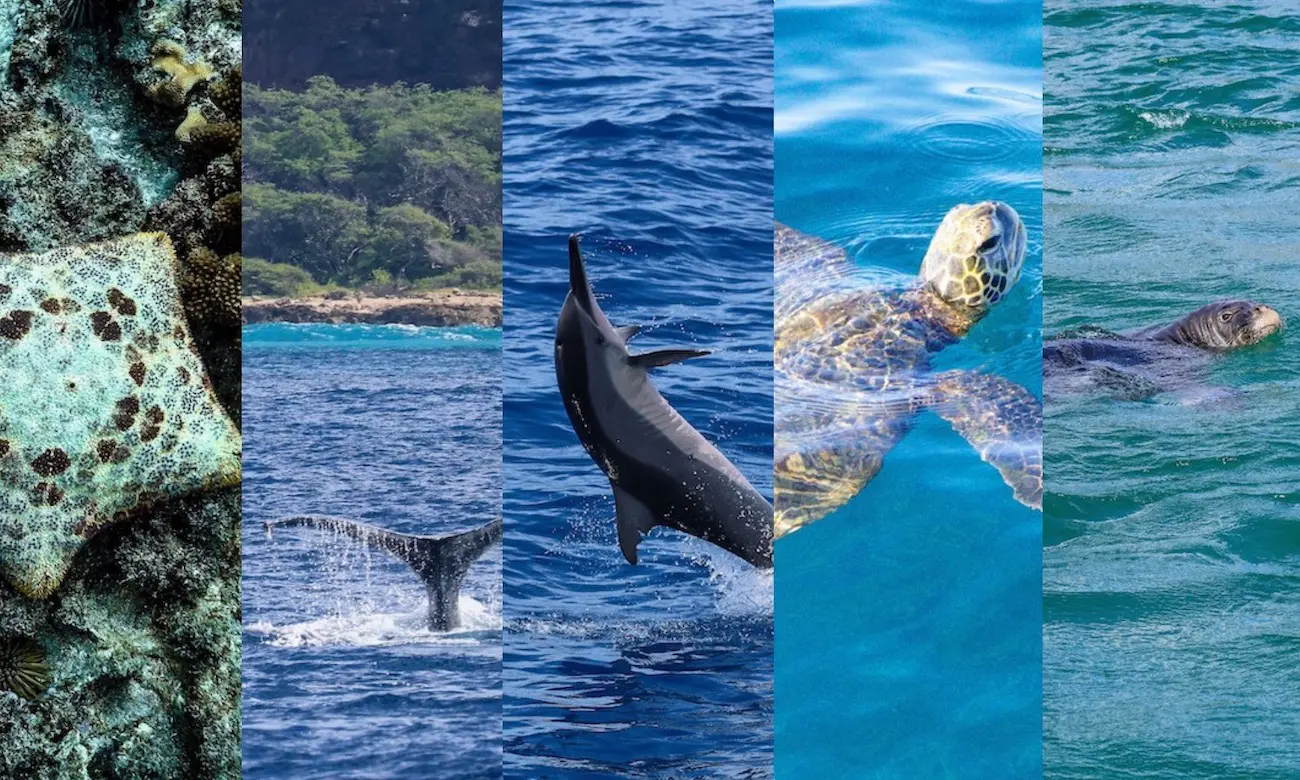
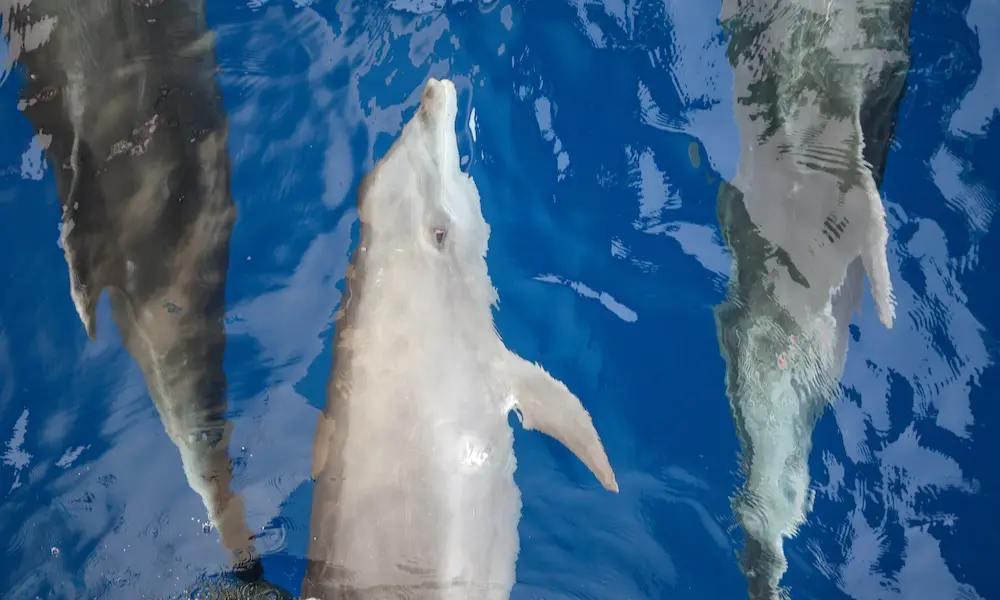
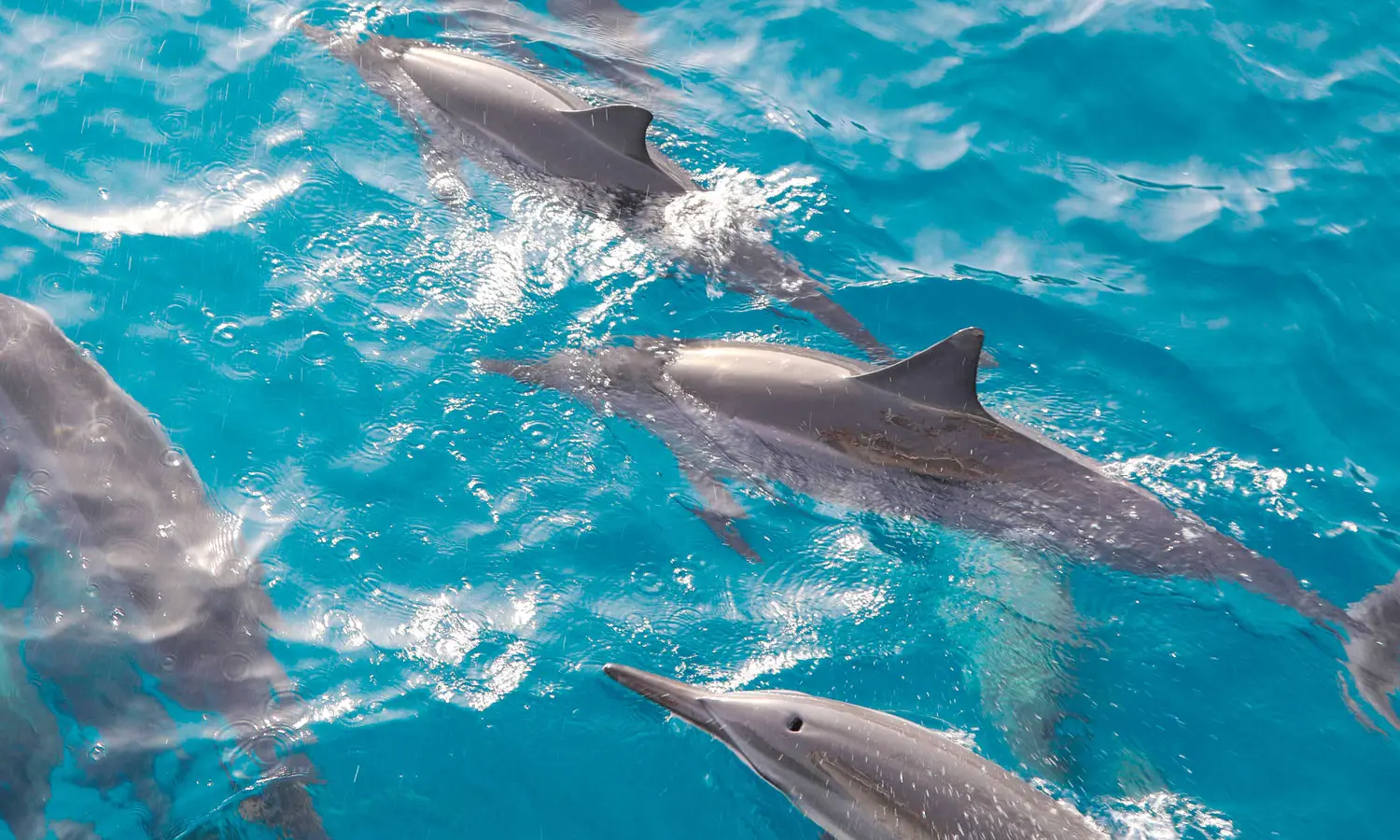
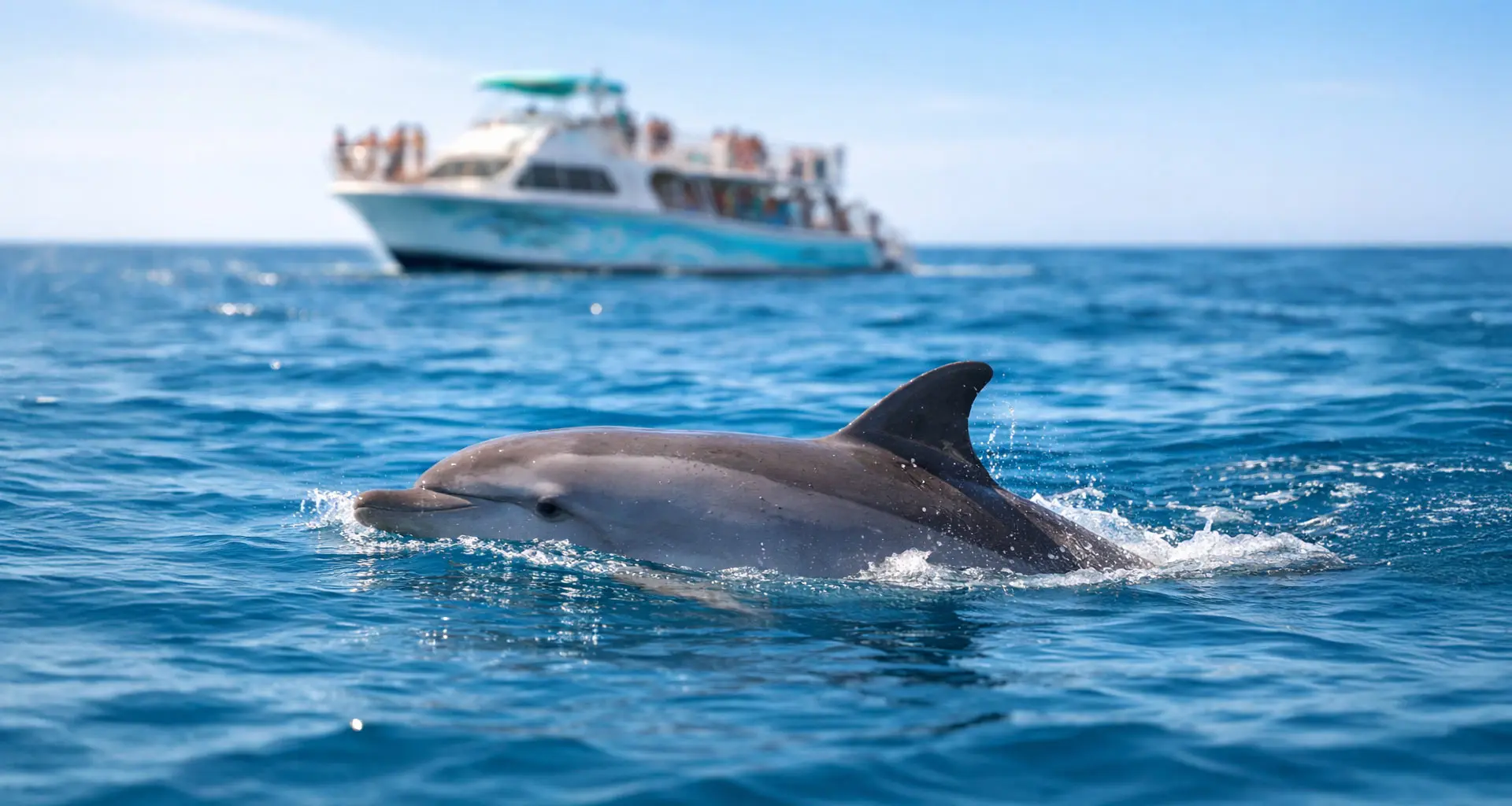
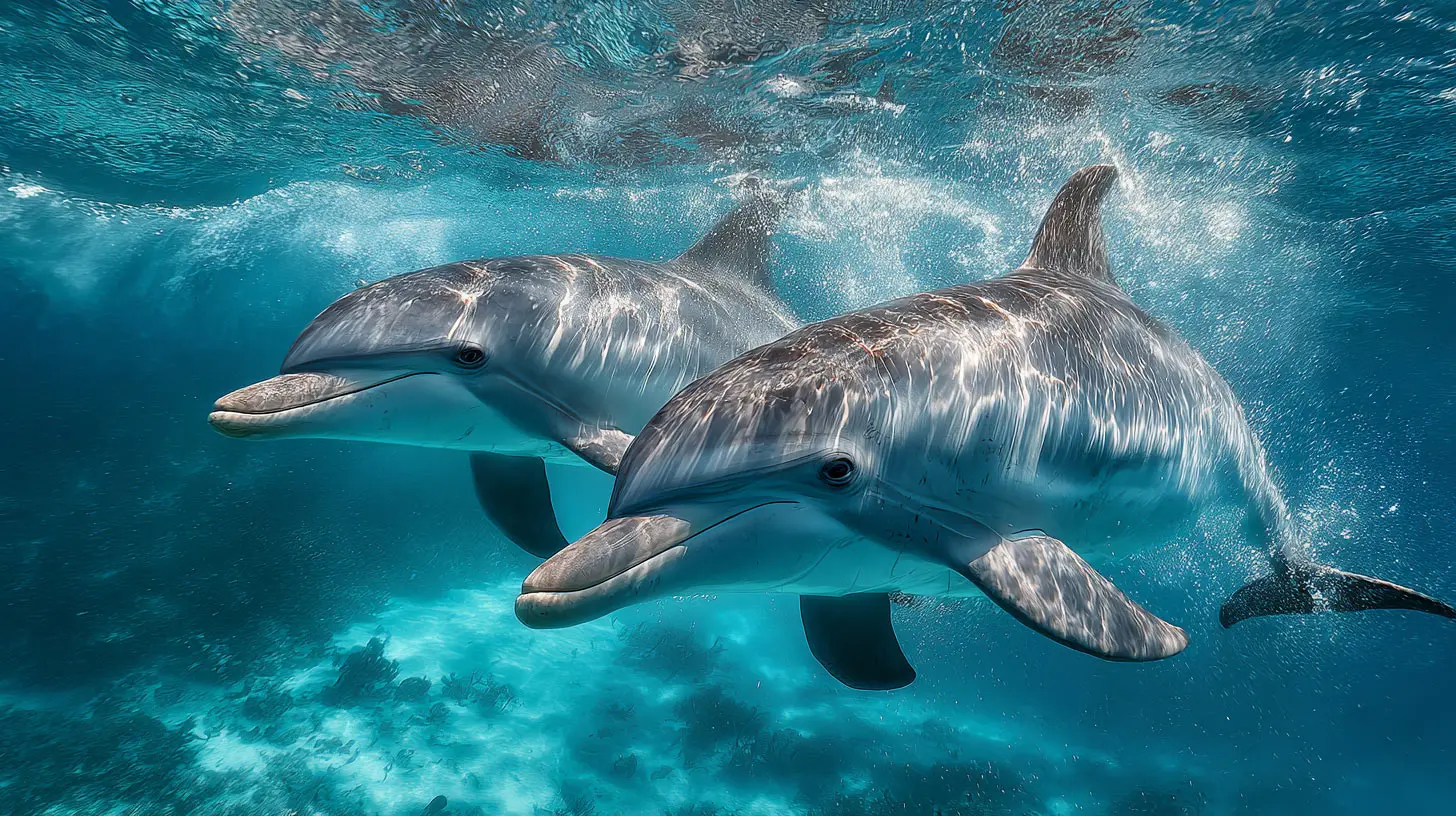
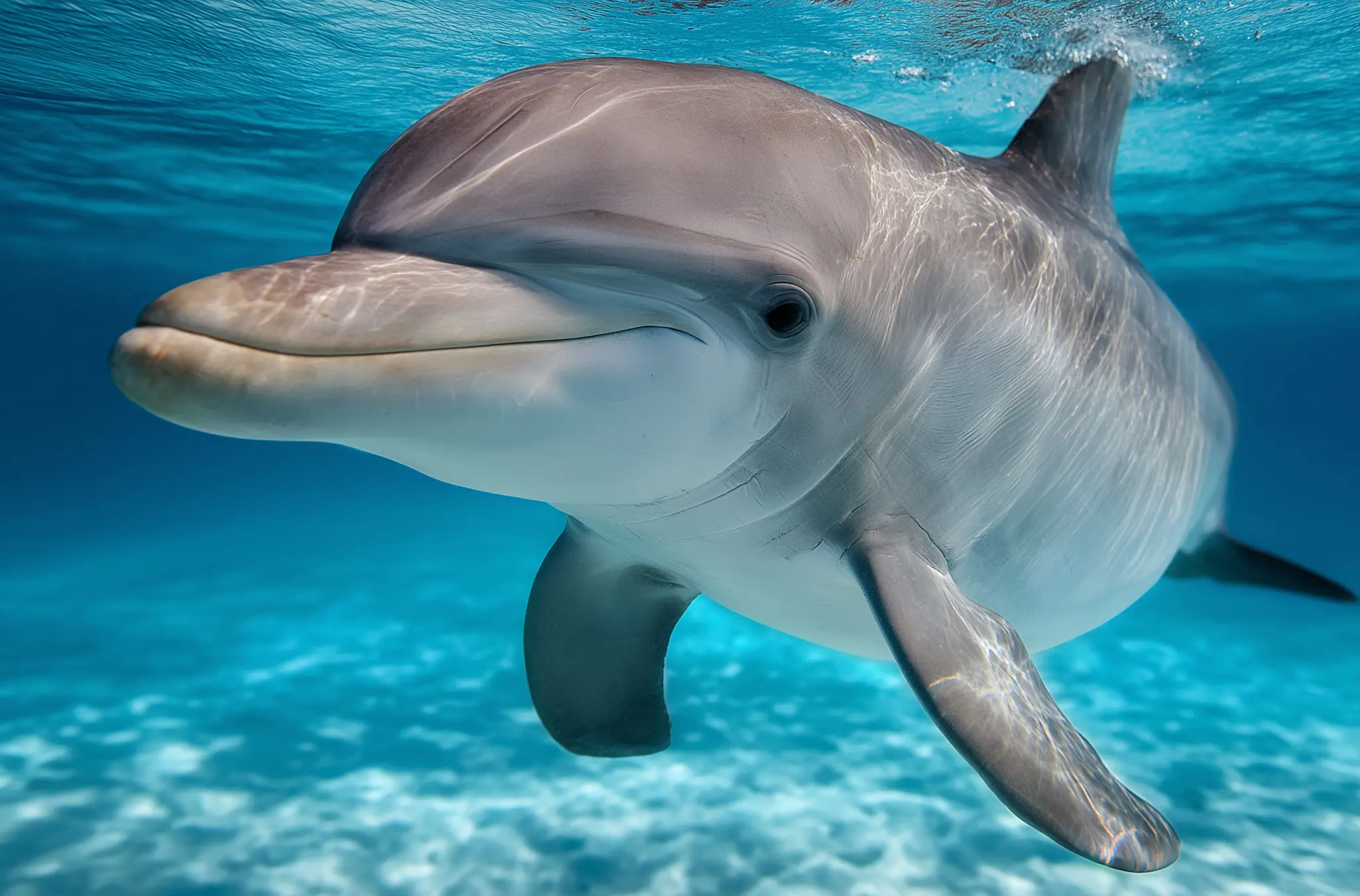
What Animals Can You See on an Oahu Dolphin Tour? Dolphin watching in Hawaii is a major attraction point for many visitors, experiencing them up close in their natural habitat.…
Best Time to See Dolphins in Oahu Oahu is one of the best places in Hawaii to see dolphins in their natural habitat. Unlike humpback whales, which migrate seasonally, dolphins…
Looking for the best way to spend a day on the water? This guide breaks down the top 10 paid ocean tours and cruises on Oahu, from Waikiki fireworks sails to west side snorkeling adventures. See why Dolphins & You earns the #3 spot with dolphin watching, turtle snorkeling, lunch, and hotel transportation built into one unforgettable Oahu dolphin tour.
Dolphin skin is thick, smooth, and renews every two hours, giving it natural protection against UV damage. But dolphins are not immune to sun exposure entirely. Here is how their skin handles intense Hawaiian sunlight and what long days near the surface actually do to a wild spinner dolphin.
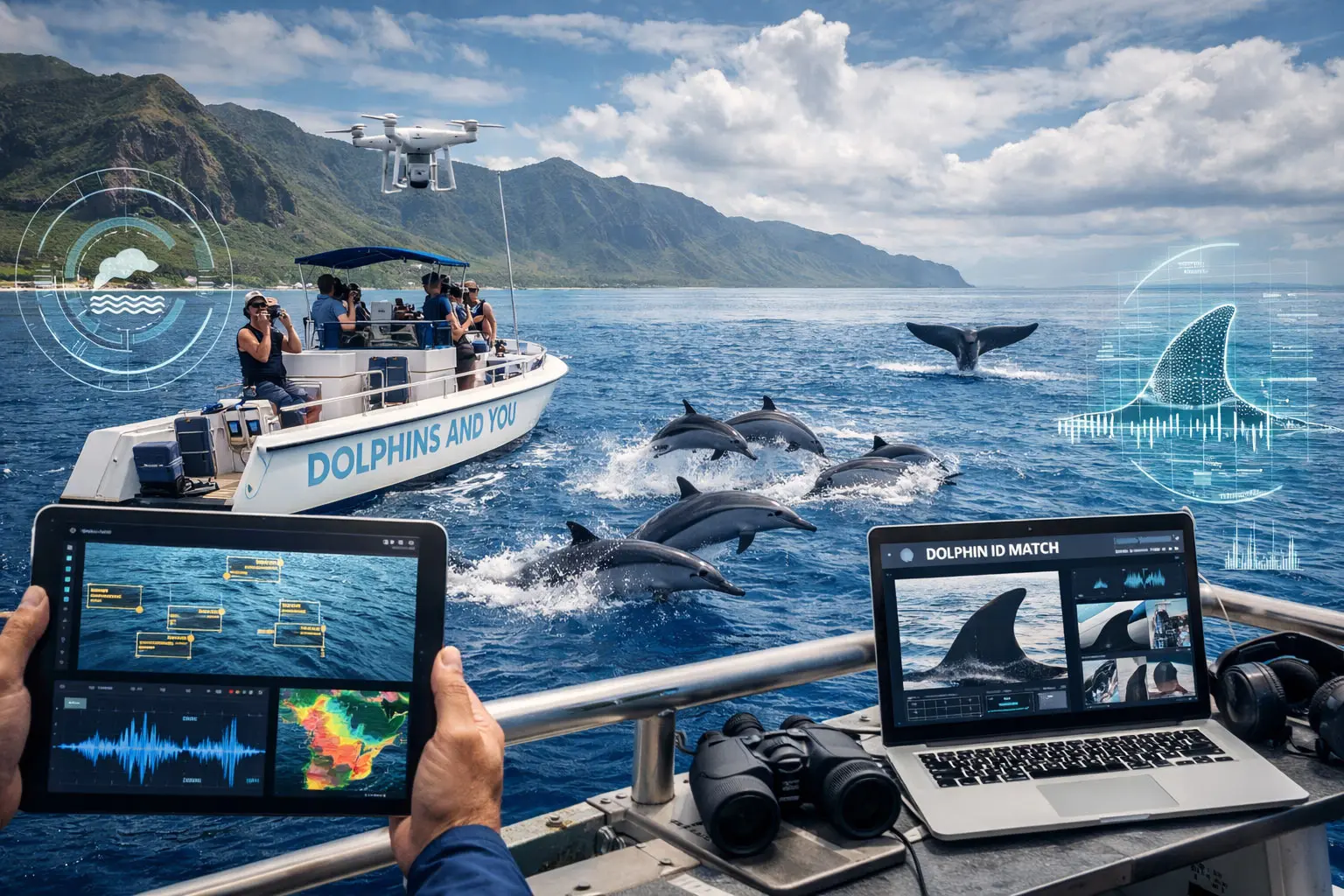
Artificial intelligence is changing how dolphin tour companies in Oahu protect wild spinner dolphin pods. From scanning sound recordings to mapping resting bays and turning guest photos into research data, here is how smarter tools are leading to kinder choices on the water.
Most dolphins around Oahu are not officially listed as endangered, but they are still fully protected by law. Hawaii’s no swimming with wild dolphins rule helps reduce harassment, give pods quiet time to rest and support healthier behavior over time. Tours with Dolphins and You focus on viewing from a respectful distance so guests can enjoy amazing sightings while keeping these wild animals safe.
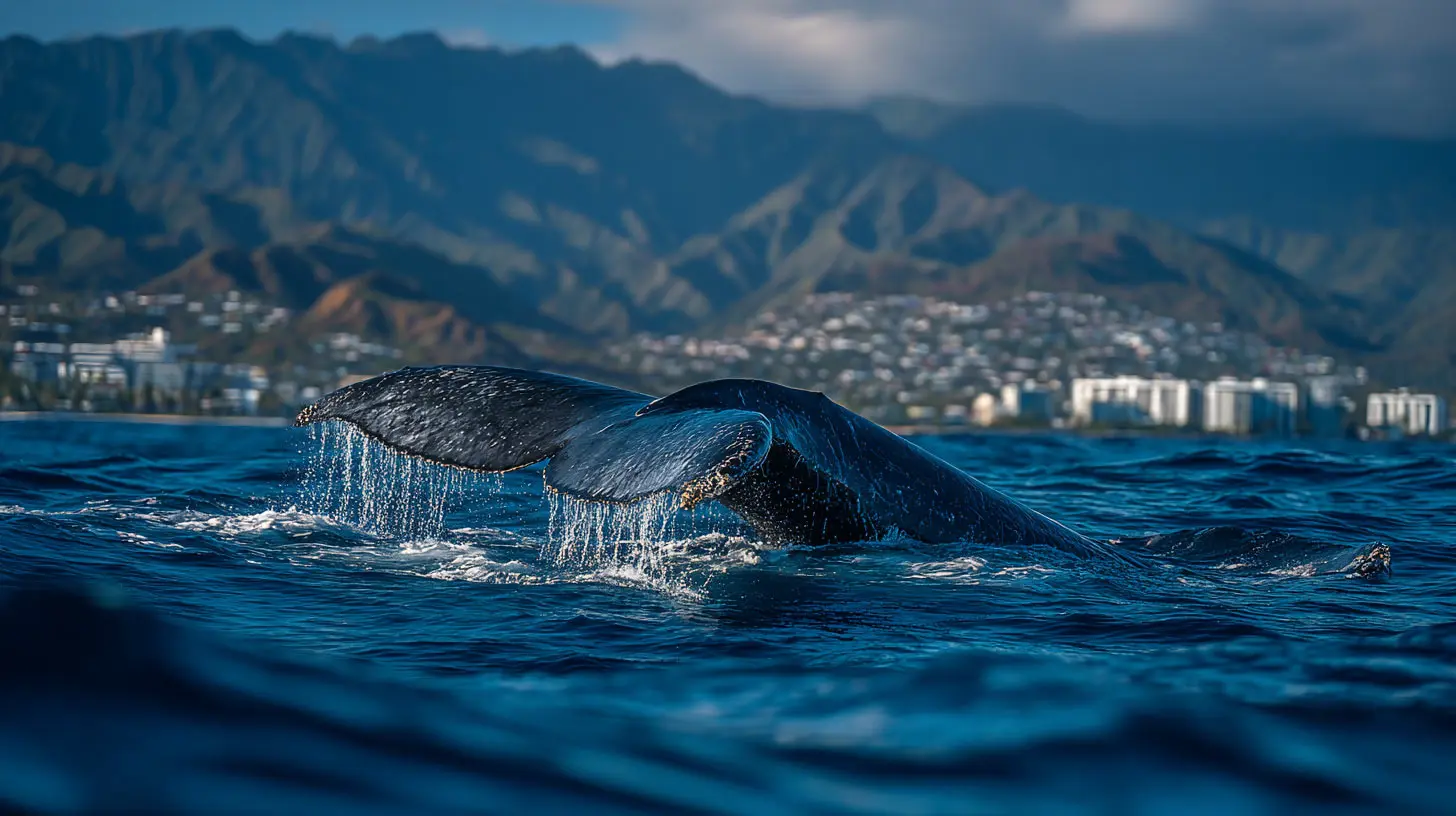
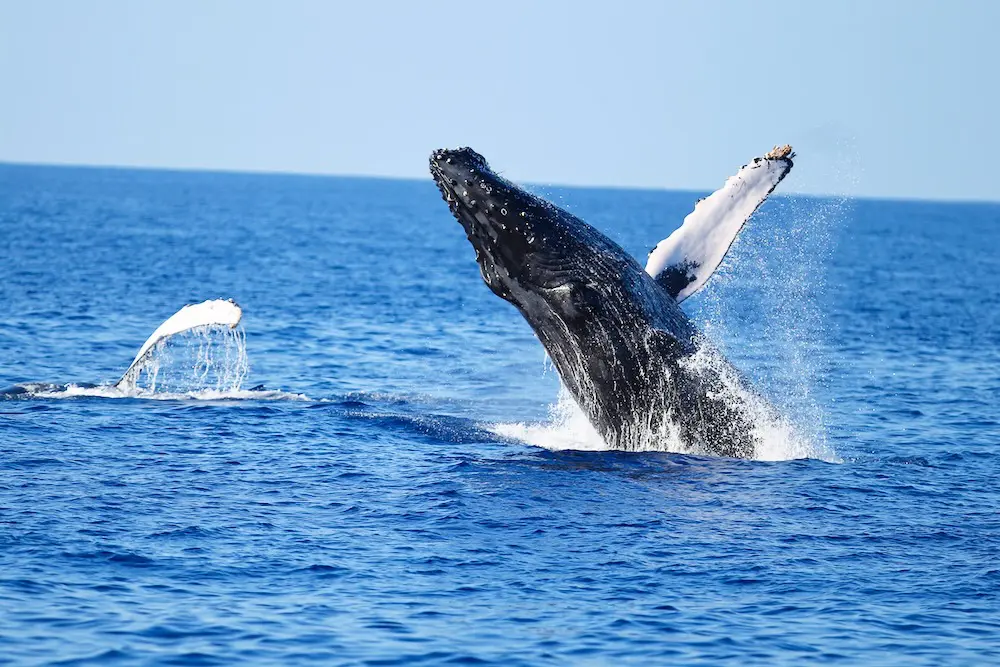
The best time of year to see both dolphins and whales in Hawaii is from late November through late March, when migrating humpbacks share the waters with Oahu’s resident dolphin pods. By pairing a year round Dolphins and You dolphin tour with a seasonal whale watching trip, and by timing your visit around the peak winter months, you greatly increase your chances of unforgettable marine wildlife encounters.
Dolphins and You guests quickly learn that dolphin relationships are far more complex than simple play. Same sex behavior, long lasting male bromances and females that choose multiple partners all play a role in building trust and keeping the pod strong. Understanding these natural patterns helps visitors respect wild dolphins, enjoy thoughtful tours and support a healthy ocean home.
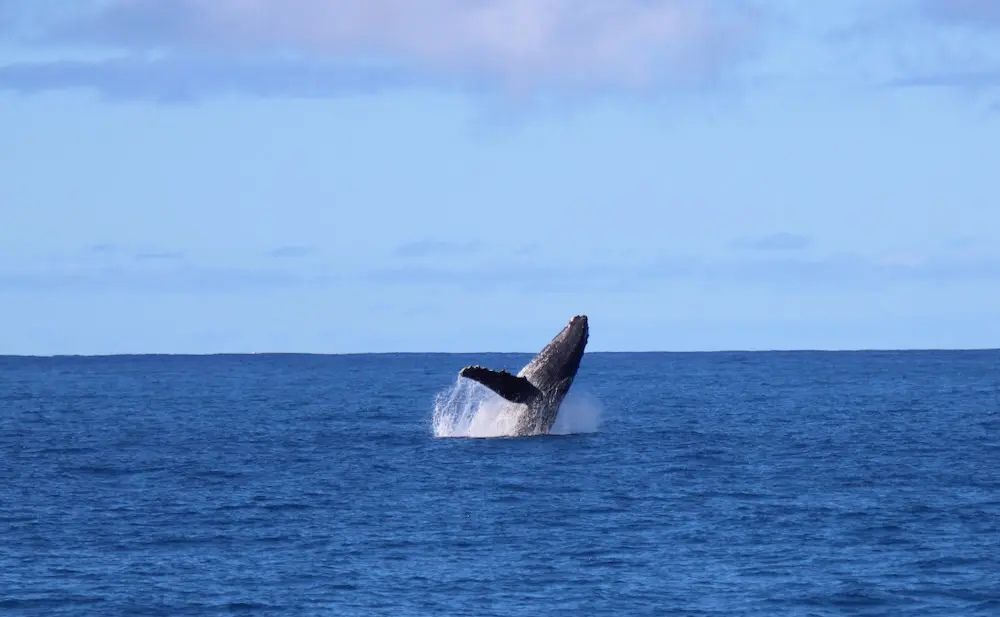
Every winter, humpback whales share Oahu's waters with resident spinner dolphin pods. During a morning Dolphins and You tour on the Waianae Coast, there is a real chance of seeing both on the same trip. Here is what to expect and when your odds are highest.
Oahu's spinner dolphins live around 20 to 25 years in the wild, but illness from infection, biotoxins, shark injury, and human disturbance can shorten that. This guide covers the most common health threats facing Hawaiian spinner dolphins and what responsible tourism does to reduce them.
From calm morning bays to lively night hunts, Hawaii’s islands match the rhythm of spinner dolphins. Meet them on the water and see why they stay
Hawaii’s oceans host playful dolphins year round and visiting humpback whales in winter. Learn how to tell species apart, from spinning spinner dolphins to breaching humpbacks. Find the best times to spot them and what behaviors to watch for on calm mornings. Enjoy respectful viewing with simple tips that protect these animals and their home.
From forestomach to pyloric chamber, discover how dolphins safely digest sharp bones and squid beaks, then watch pods in Hawaii’s clear water.
Robotic dolphins can put on a show, but the sea tells the real story. This clean, updated guide explains why wild dolphin viewing is best, confirms that Sea Life Park on Oahu is an aquarium with a dolphin presentation, and outlines how Dolphins and You offers a safe and respectful open ocean experience.
Dolphins face a growing squeeze from climate change. Warmer water, higher seas, and shifting prey make it harder for them to find food and safe places to live. Changes in ocean chemistry can also interfere with echolocation. Stress, disease, and entanglement risks rise as dolphins move into busier waters. Some small or isolated populations could decline fast, and a few could disappear.