






How to Avoid Seasickness on a Boat Tour in Hawaii (Dolphin Tour Tips)
Concerned about seasickness on a boat tour in Hawaii? Discover simple tips, natural remedies, and how to stay comfortable during your dolphin tour.
Concerned about seasickness on a boat tour in Hawaii? Discover simple tips, natural remedies, and how to stay comfortable during your dolphin tour.
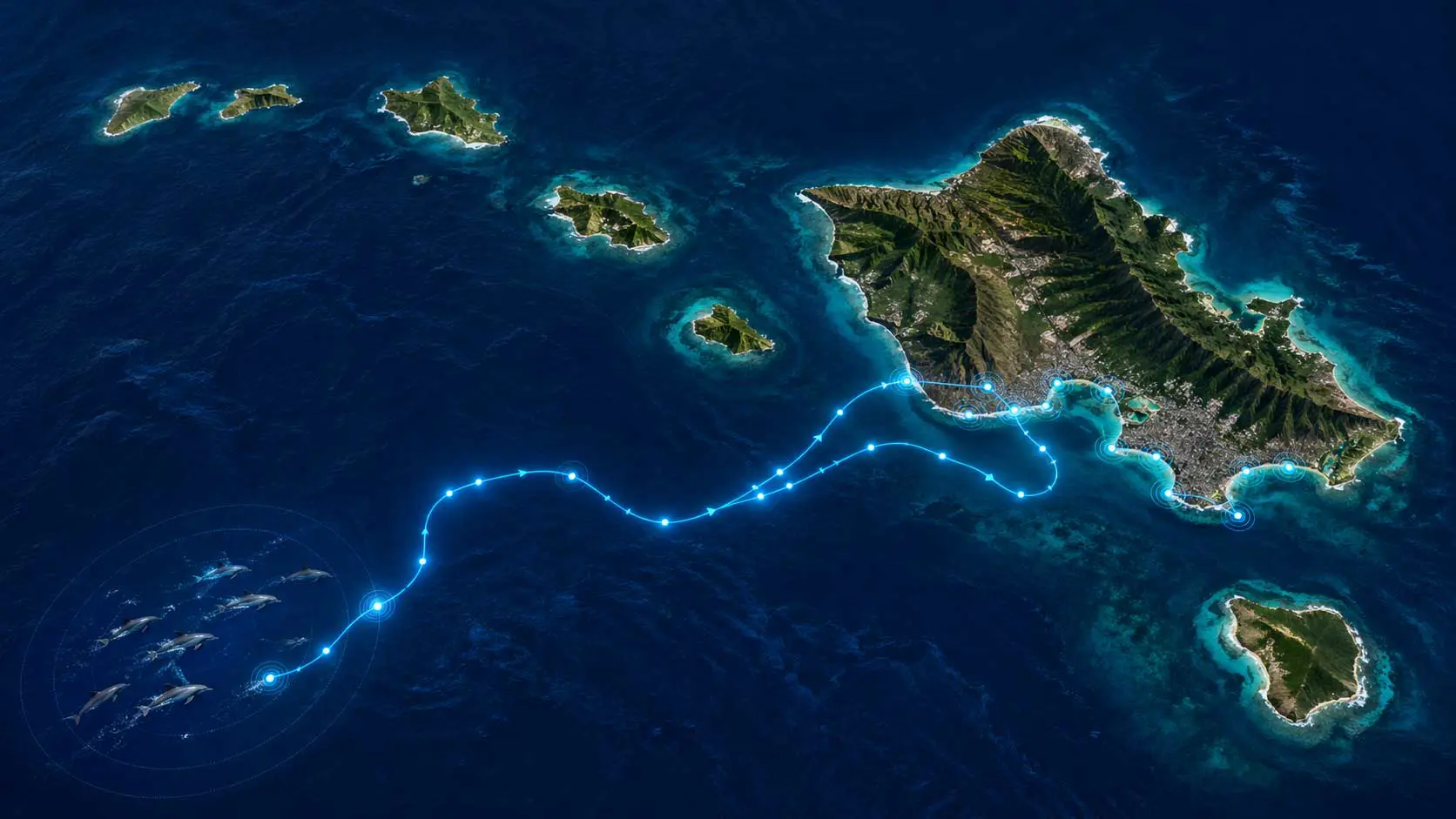
Every morning, Hawaii's spinner dolphins return to the same coastal bays without GPS or visible landmarks. They do it using a combination of biological sonar, sensitivity to Earth's magnetic field, long-term spatial memory, and passive listening that no human navigation system has yet fully replicated. Here is how it all works.
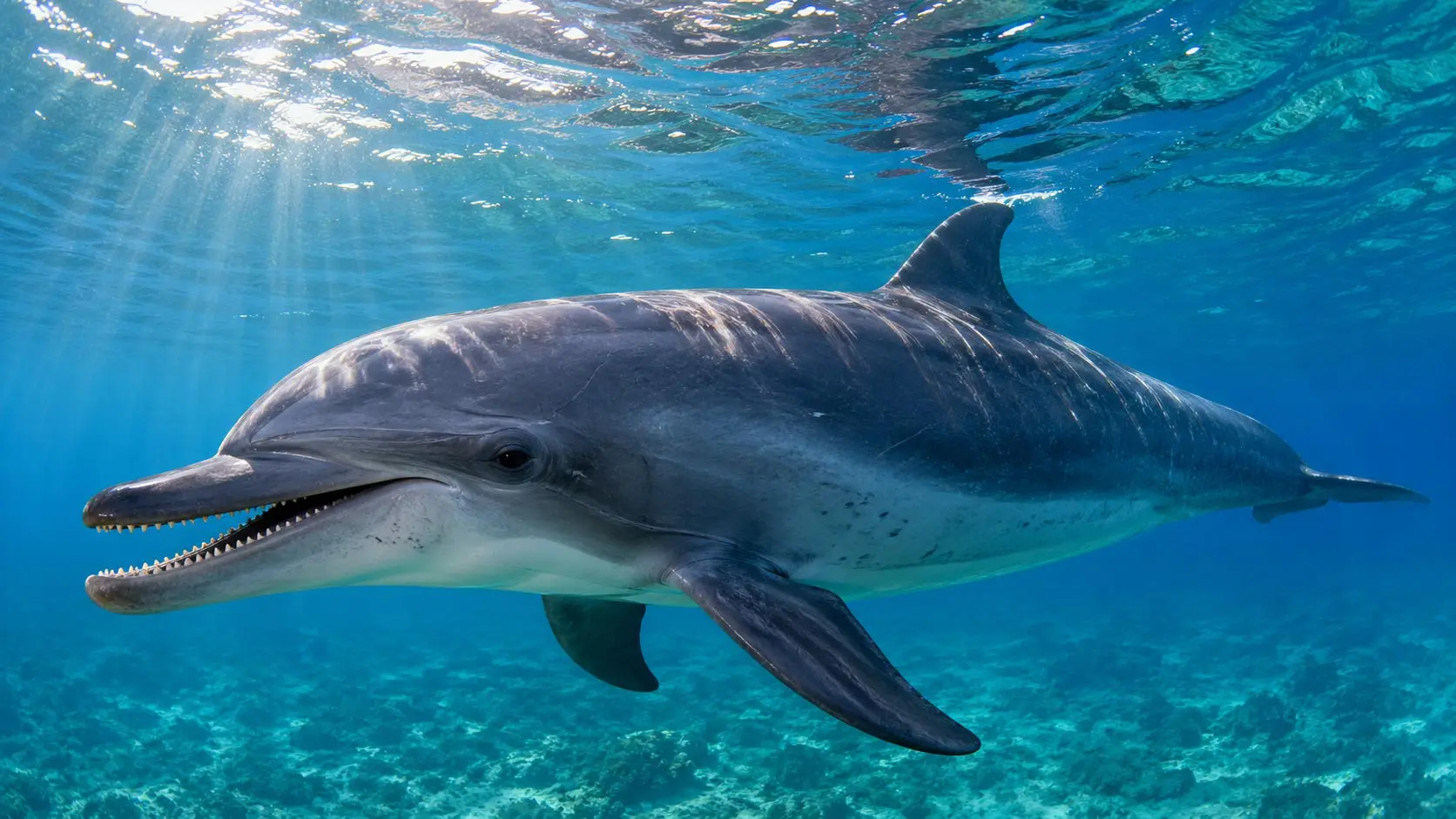
Yes, spinner dolphins have teeth, up to 250 of them. But every tooth is the same cone shape, and they only ever grow one set. Learn how those teeth work as a precision hunting tool, what they reveal about a dolphin's age, and what you are really seeing when dolphins smile off the Waianae Coast.
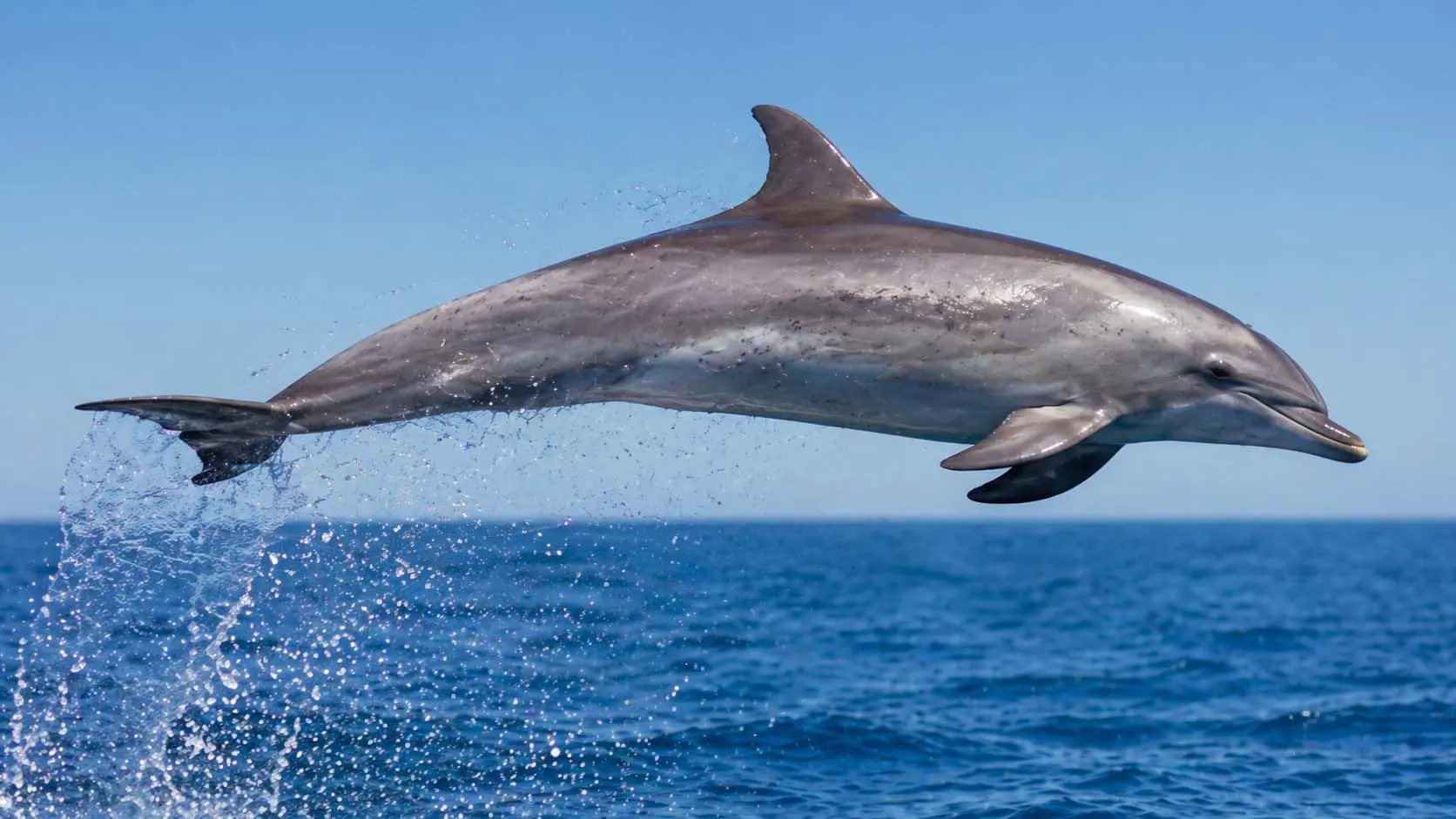
Hawaiian spinner dolphins can reach burst speeds of 20 to 25 miles per hour. A dolphin cruising at a moderate pace travels three to four times faster than a person swimming hard. Here is what is actually happening when a dolphin streaks past the boat, and why evolution built them this way.
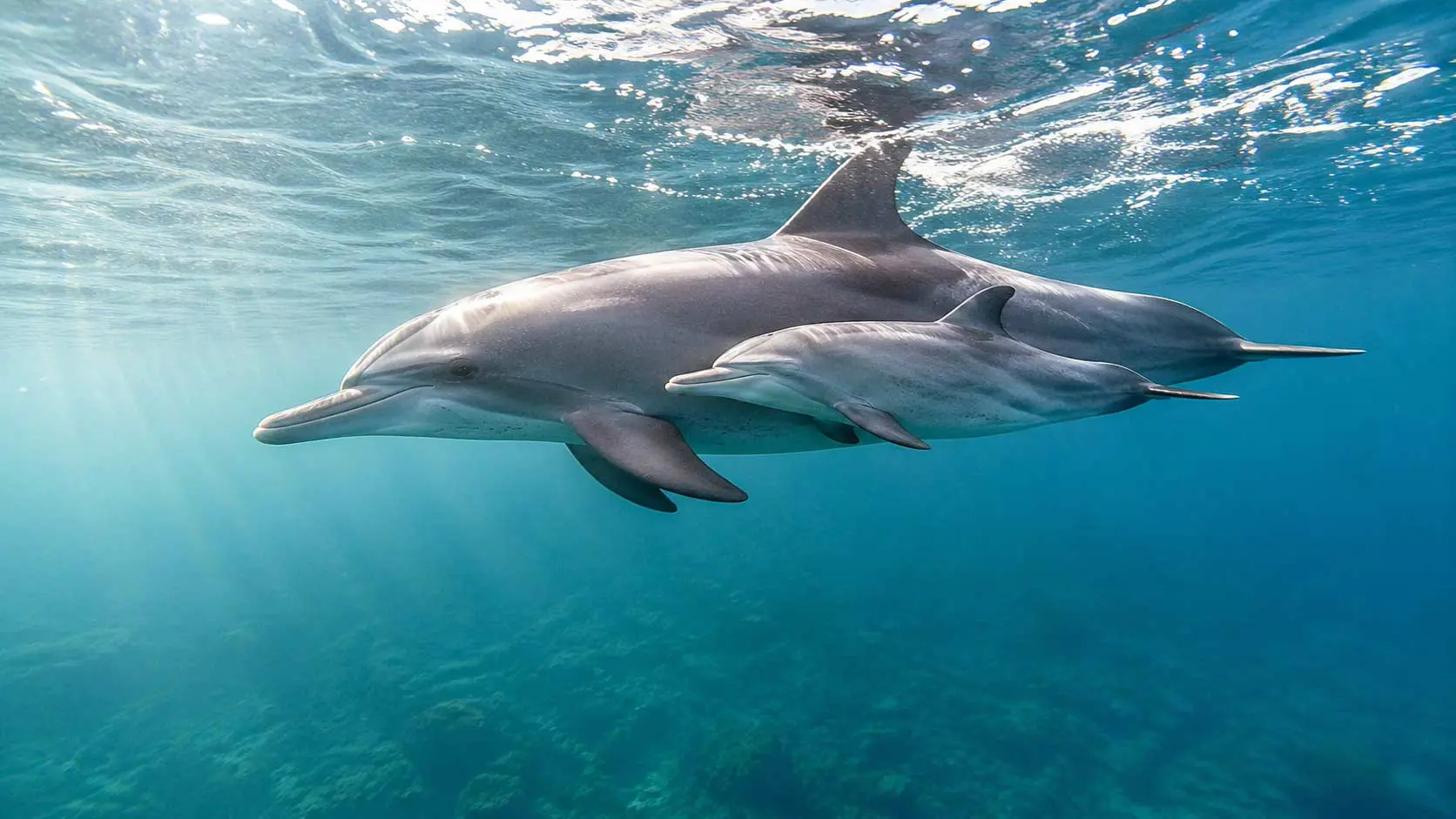
More than 30 documented cases of postmortem calf-carrying. Changed whistle patterns after a death. Pod members choosing to stay near their loss. The science of dolphin grief is still developing, but what has already been recorded is enough to change the way you think about the animals you see on a morning tour off Oahu.
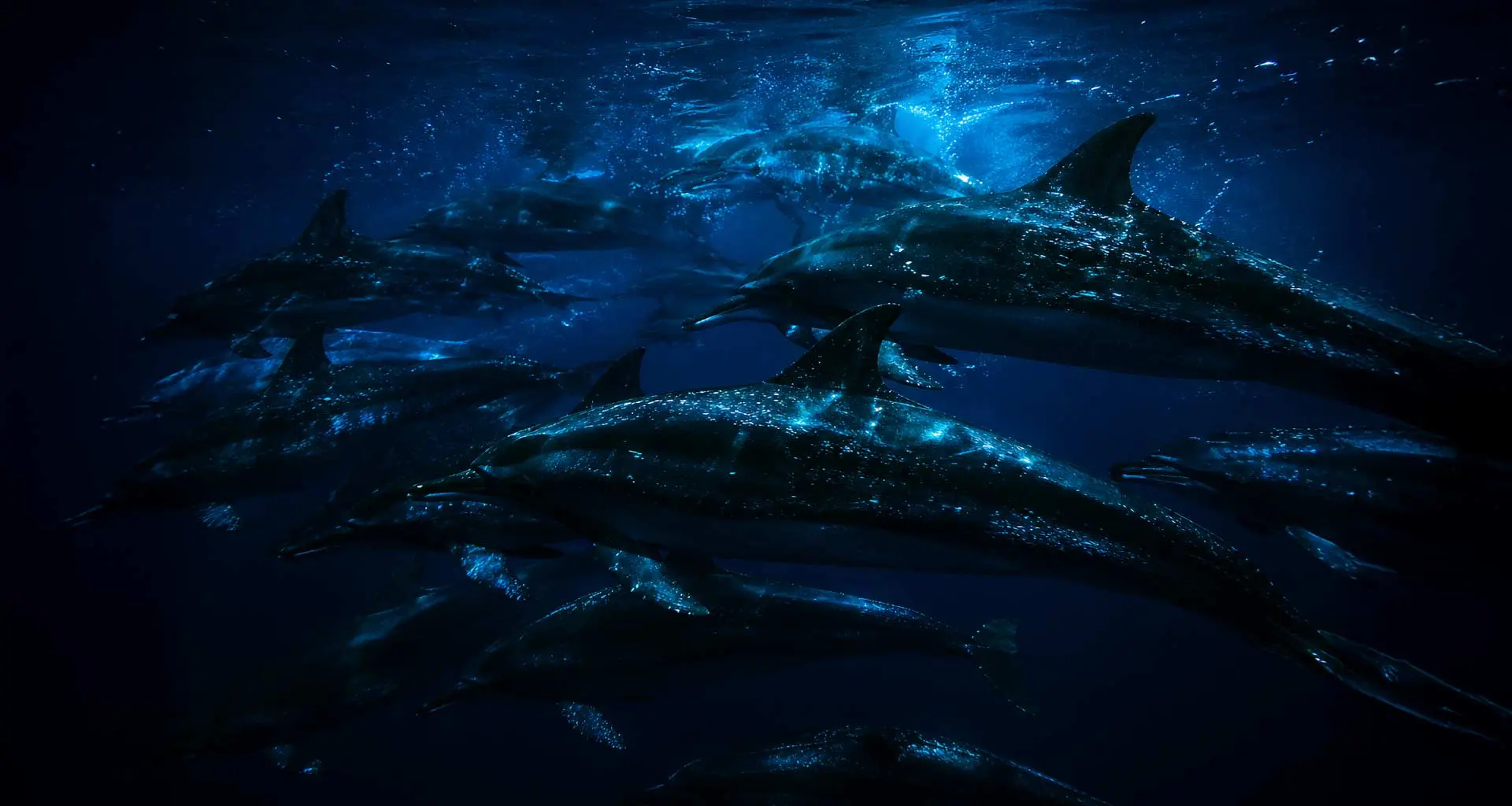
Hawaii's spinner dolphins look peaceful during the day, but the night before your tour they were deep in the ocean hunting fish, squid, and shrimp in near-total darkness. Learn what spinner dolphins eat, how they hunt as a team, and why the calm pod you see each morning has already put in a full night of work.
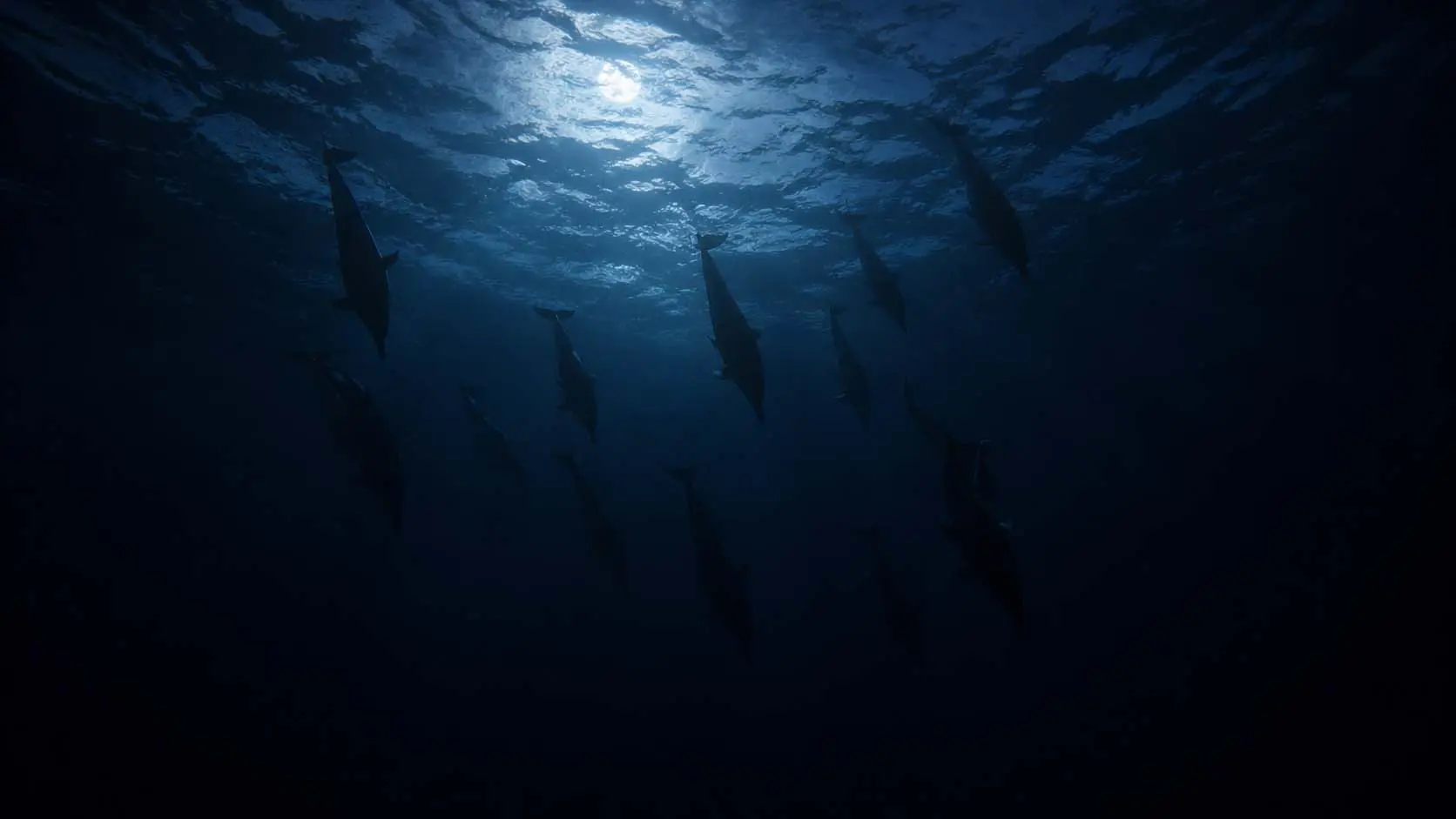
Most people who join a dolphin tour on Oahu know the dolphins will be there in the morning. What they do not know is where those dolphins have been all night. By the time you see them gliding near shore, spinner dolphins have already completed one of the most demanding feeding hunts in the ocean. Here is what happens below the surface when the sun goes down.

Ocean Safety Tips for Visitors to Oahu Coming to Hawaii and jumping into the ocean is a common and exciting thing to do during your vacation here. But there are…
Aloha is a very well-known Hawaiian word for many people, but what does it actually mean? To many people, aloha is recognized as just an expression of greeting, being no…
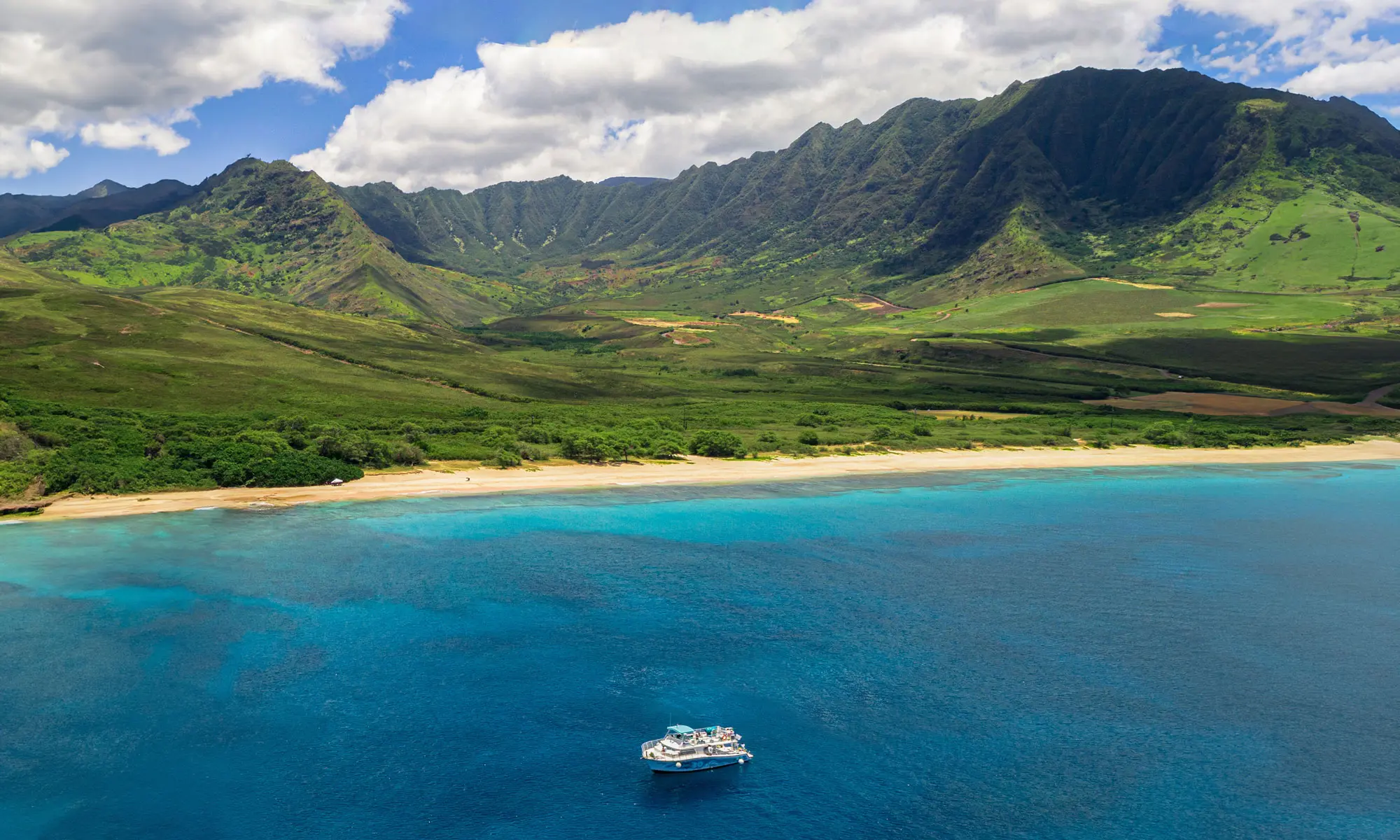
Learn what mālama means in Hawaii and how to travel responsibly. Discover eco-friendly practices, wildlife safety tips, and sustainable ocean experiences in Oahu.
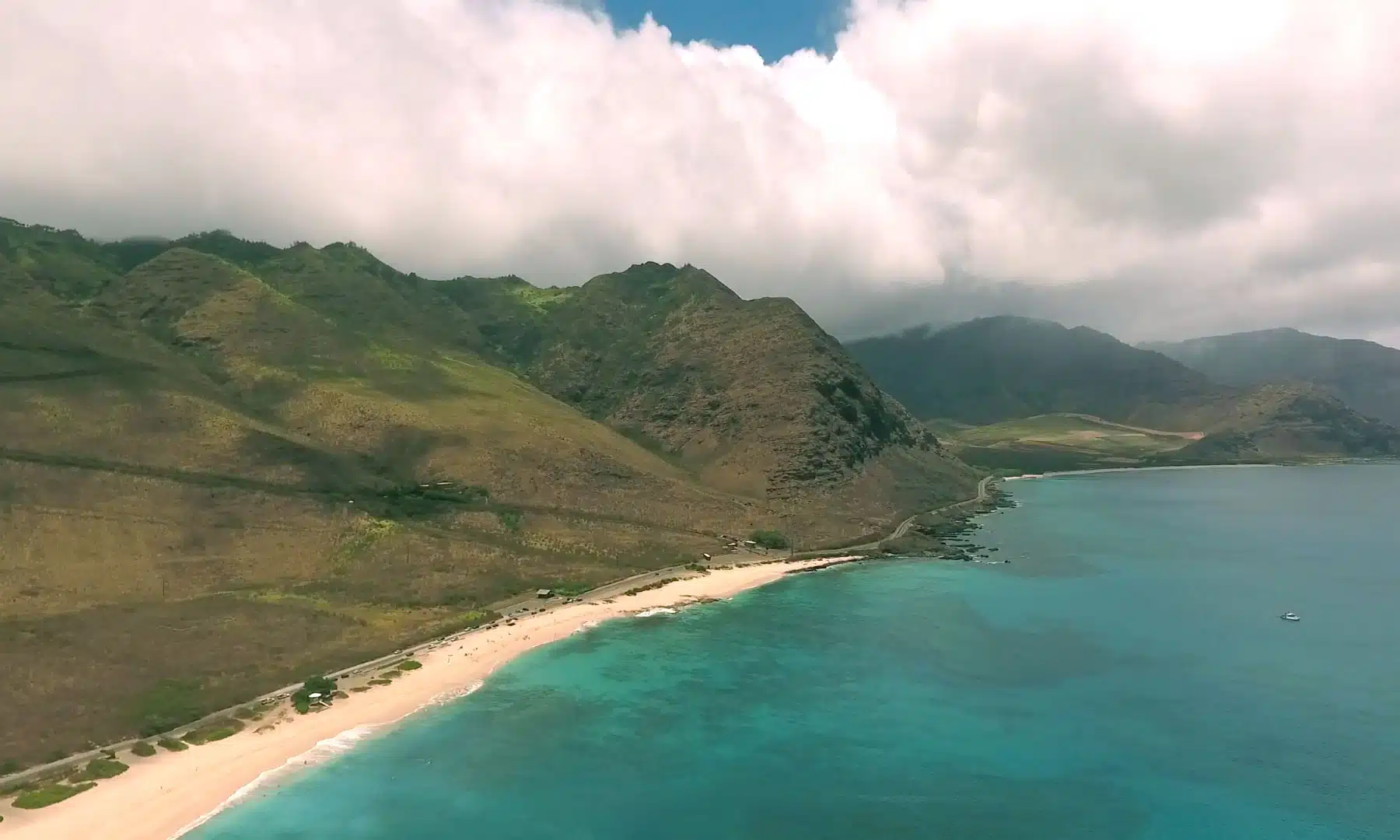
Learn what mālama means in Hawaii and how to travel responsibly. Discover eco-friendly practices, wildlife safety tips, and sustainable ocean experiences in Oahu.
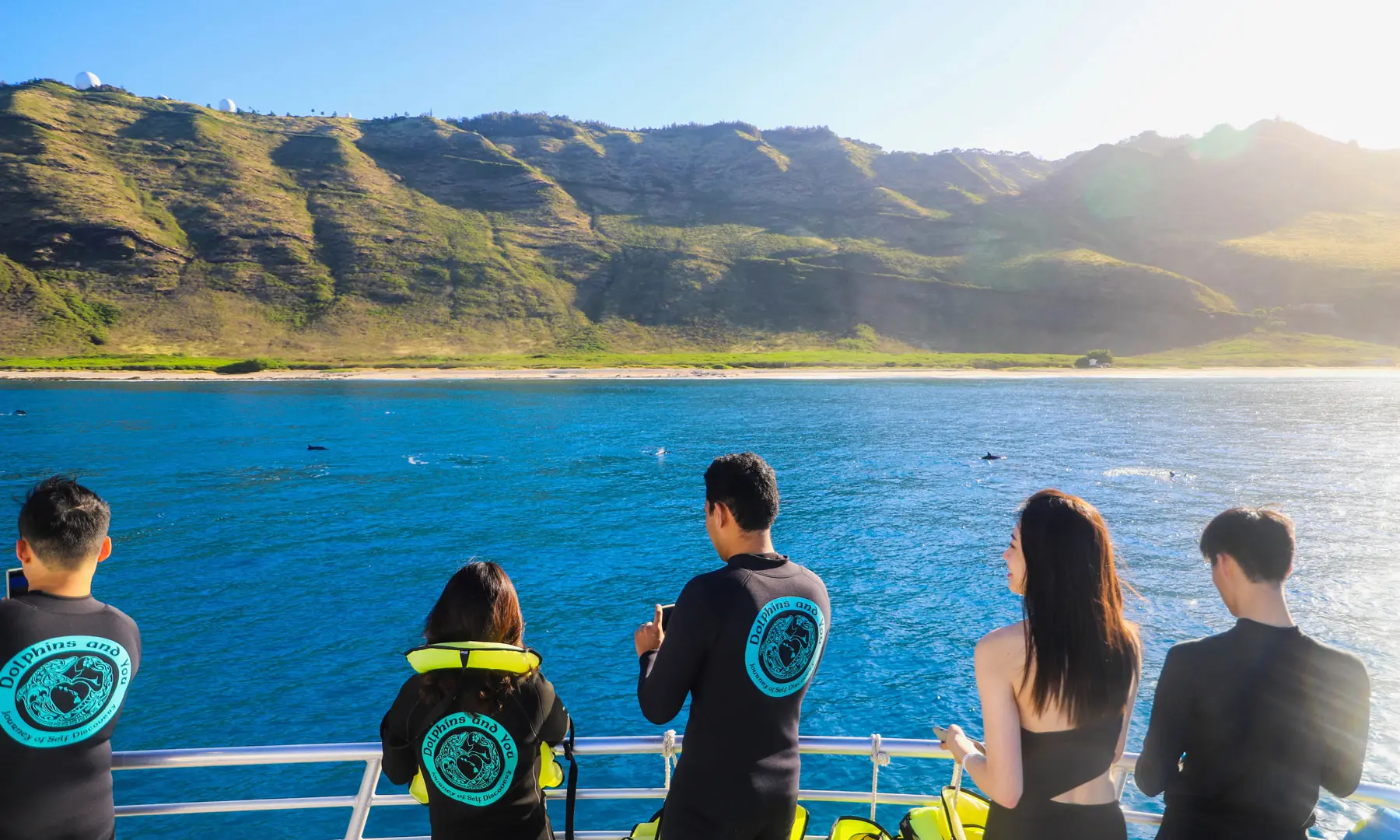
Oahu Travel Guide: Best Places, Things to Do & West Coast Tips Looking for the best things to do in Oahu, where to see dolphins, or travel tips for your…
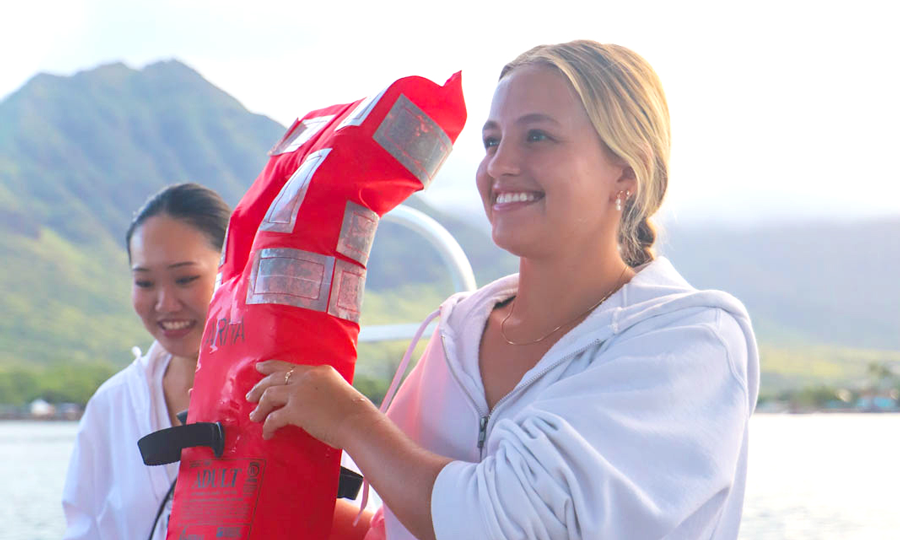
Is It Safe to See Dolphins in Hawaii? What to Expect on Oahu Dolphin & Ocean Tours Is it safe to see dolphins in Hawaii?If you're considering a dolphin tour,…
Learn what mālama means in Hawaii and how to travel responsibly. Discover eco-friendly practices, wildlife safety tips, and sustainable ocean experiences in Oahu.
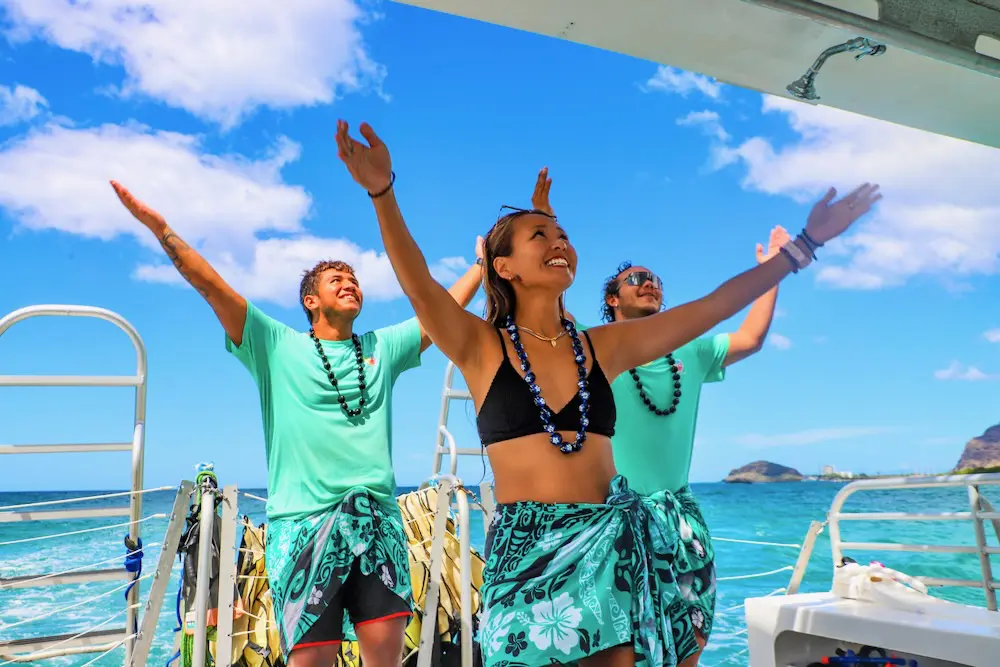
Ultimate Guide to Hawaiian Culture & Aloha Spirit Hawaiian culture is more than traditions — it is a way of life rooted in respect, connection, and harmony with nature.From ancient…