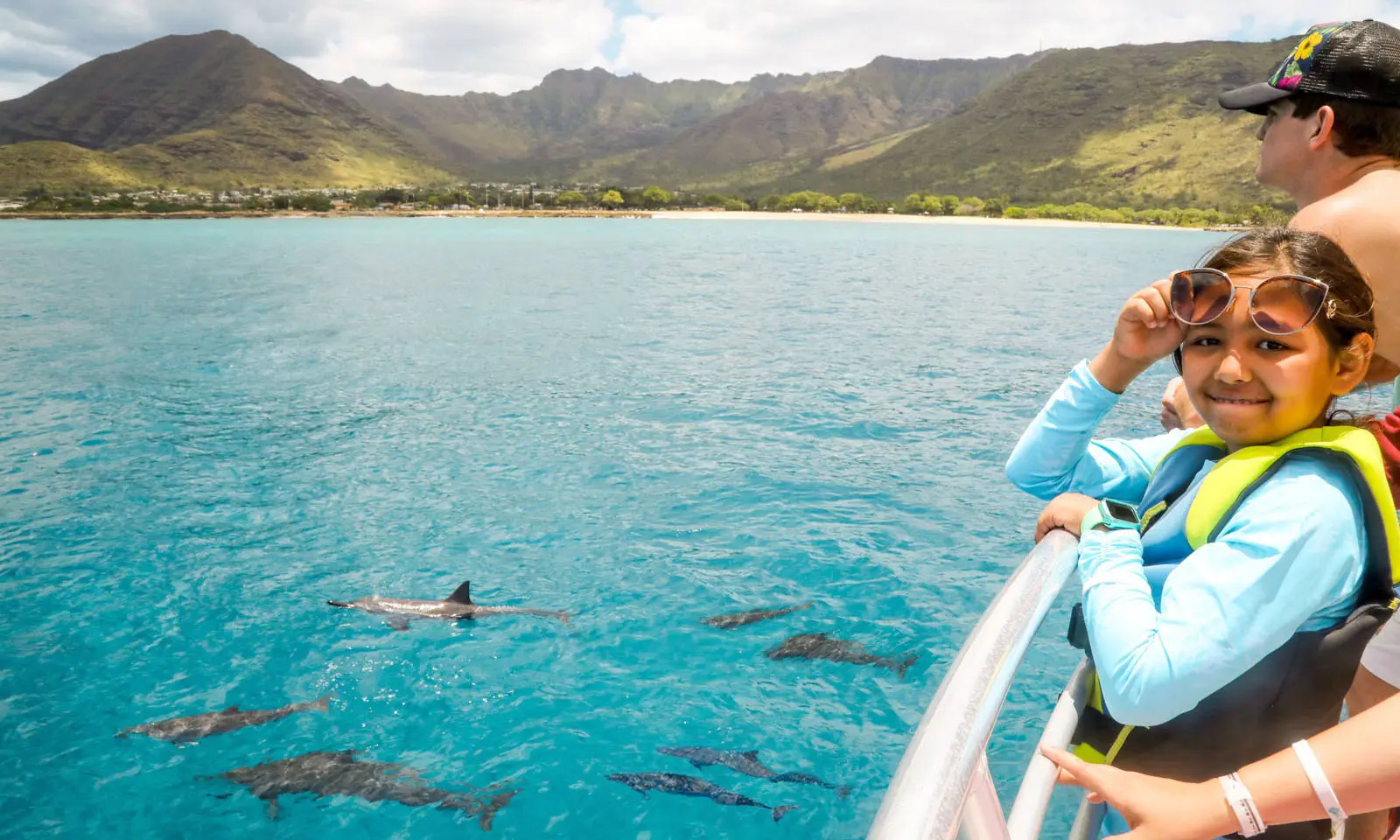


Best Time to Book an Oahu Dolphin Tour
Best Time to Book an Oahu Dolphin Tour Best Time to Book an Oahu Dolphin TourPlanning a dolphin tour in Hawaii?One of the most common questions travelers ask is how…
Moana Filming Locations in Oahu: Real West Side Spots You Can Visit While Disney has not officially confirmed every filming location, many scenes strongly resemble Oahu’s west coast landscapes and…
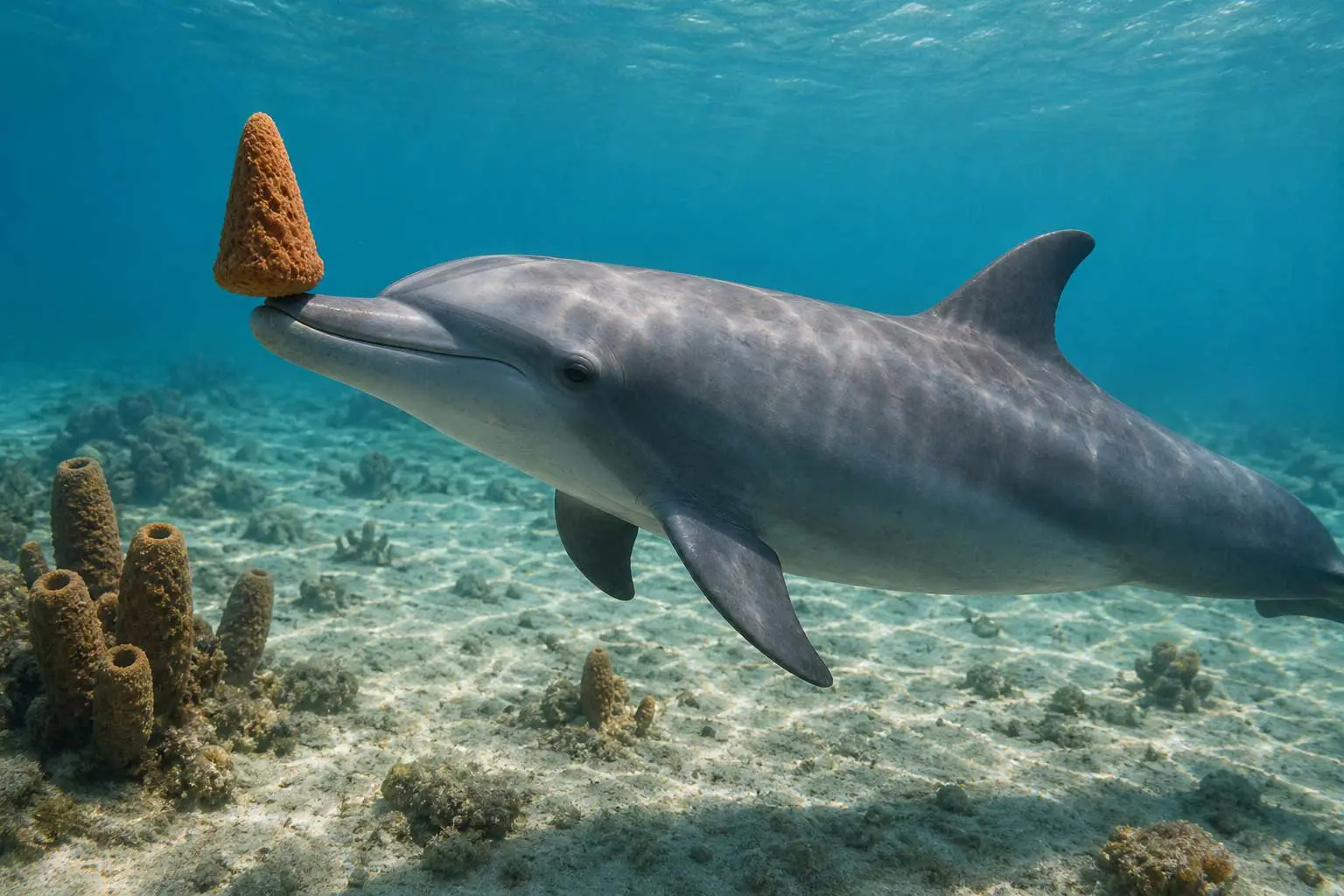
Tool use was once considered one of the defining traits of human intelligence. Then we discovered chimpanzees using sticks, crows fashioning hooks, and sea otters cracking shells with rocks. Now add dolphins to that list. Wild bottlenose dolphins in Australia have been documented using sea sponges as tools to protect their snouts while hunting on the seafloor, and a 2025 study revealed just how cognitively demanding that behavior actually is. Here is the full story of what dolphins are doing out there, and what it means for how we understand ocean intelligence.
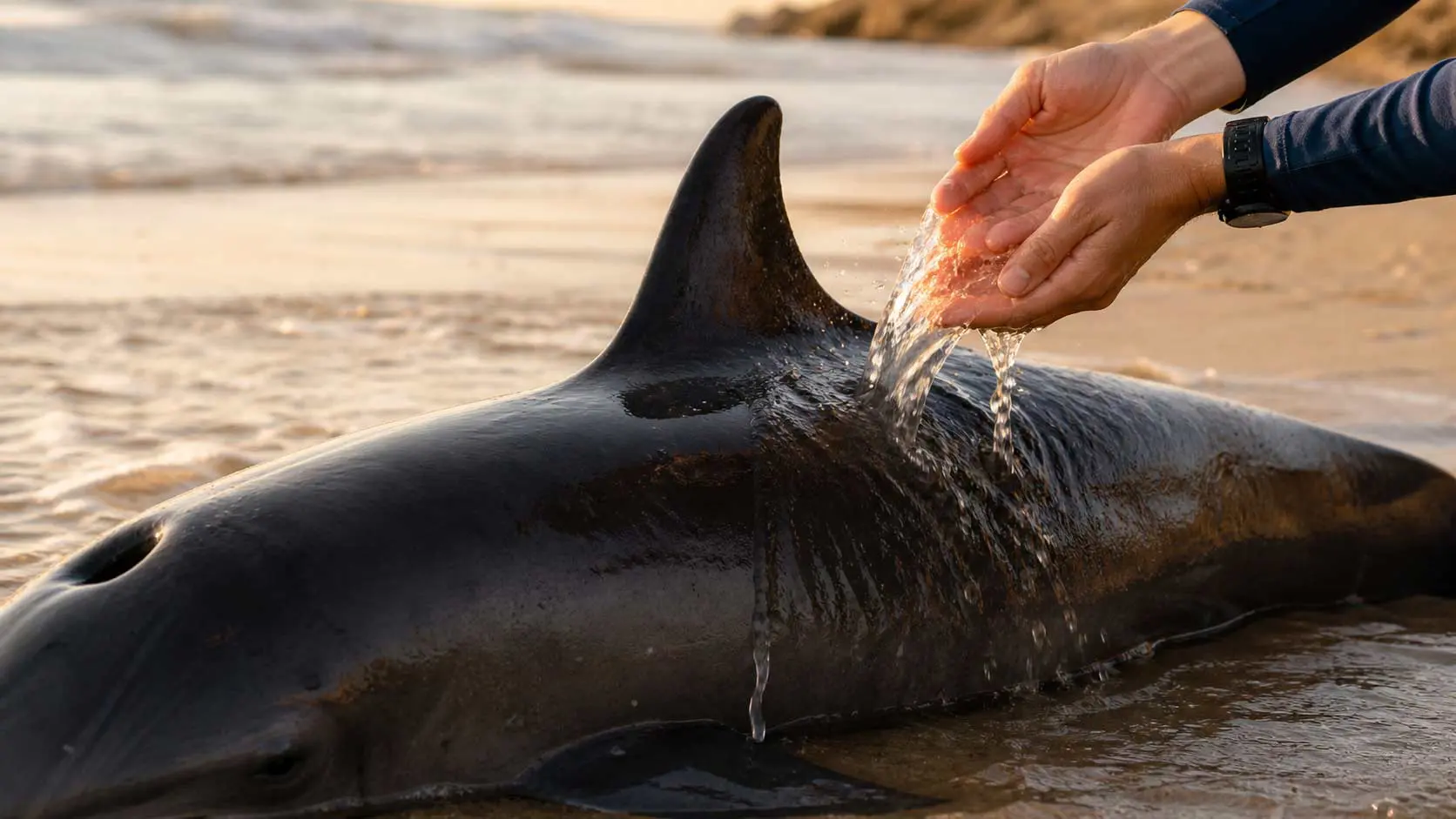
One of the most heartbreaking events in the ocean world is a dolphin stranding on a beach, alive but unable to return to the sea. It happens with surprising regularity worldwide, including in Hawaiian waters. The causes range from natural illness and injury to human-driven threats like sonar noise and ocean pollution. Here is a clear look at why it happens, what science has figured out, and what you should do if you ever encounter a stranded marine mammal on an Oahu beach.
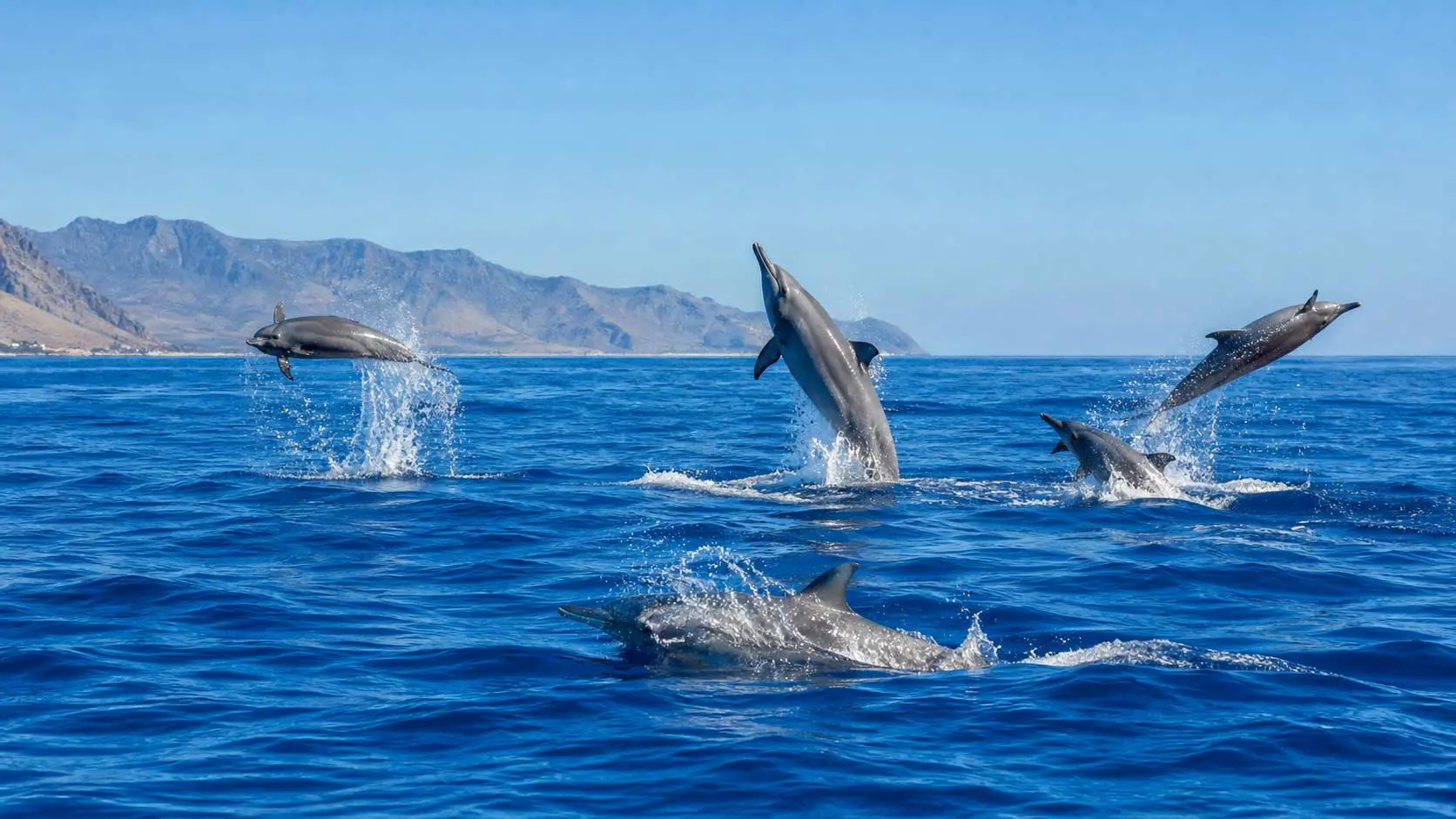
If you have ever stood at the bow of a boat off Oahu's west coast and watched a spinner dolphin take a turn surfing the pressure wave at your hull, you already know that dolphins are playful. What might surprise you is that scientists have spent decades studying exactly why dolphins play, and what they have found goes well beyond what most people expect. Dolphins do not just play as babies. They play their entire lives, and the reasons behind that play reveal a level of intelligence, social complexity, and emotional depth that puts them in a very short list of animals on earth.
Hawaiian spinner dolphins are not the long-lived giants of the dolphin world. They are quick-cycling, highly social animals with a lifespan that rarely stretches past 25 years in the wild. Understanding how long they live, how scientists figure it out, and what shortens their time in the ocean gives you a completely different appreciation for every dolphin you see off Oahu's west coast.
Concerned about seasickness on a boat tour in Hawaii? Discover simple tips, natural remedies, and how to stay comfortable during your dolphin tour.
Spinner dolphins return to the same bays along Oahu's Waianae Coast every single morning, year after year, without fail. No GPS, no chart, no landmarks above the water. So how do they do it? The answer is a layered system of biological tools that scientists are still working to fully understand, and it is one of the most fascinating stories in all of ocean biology.
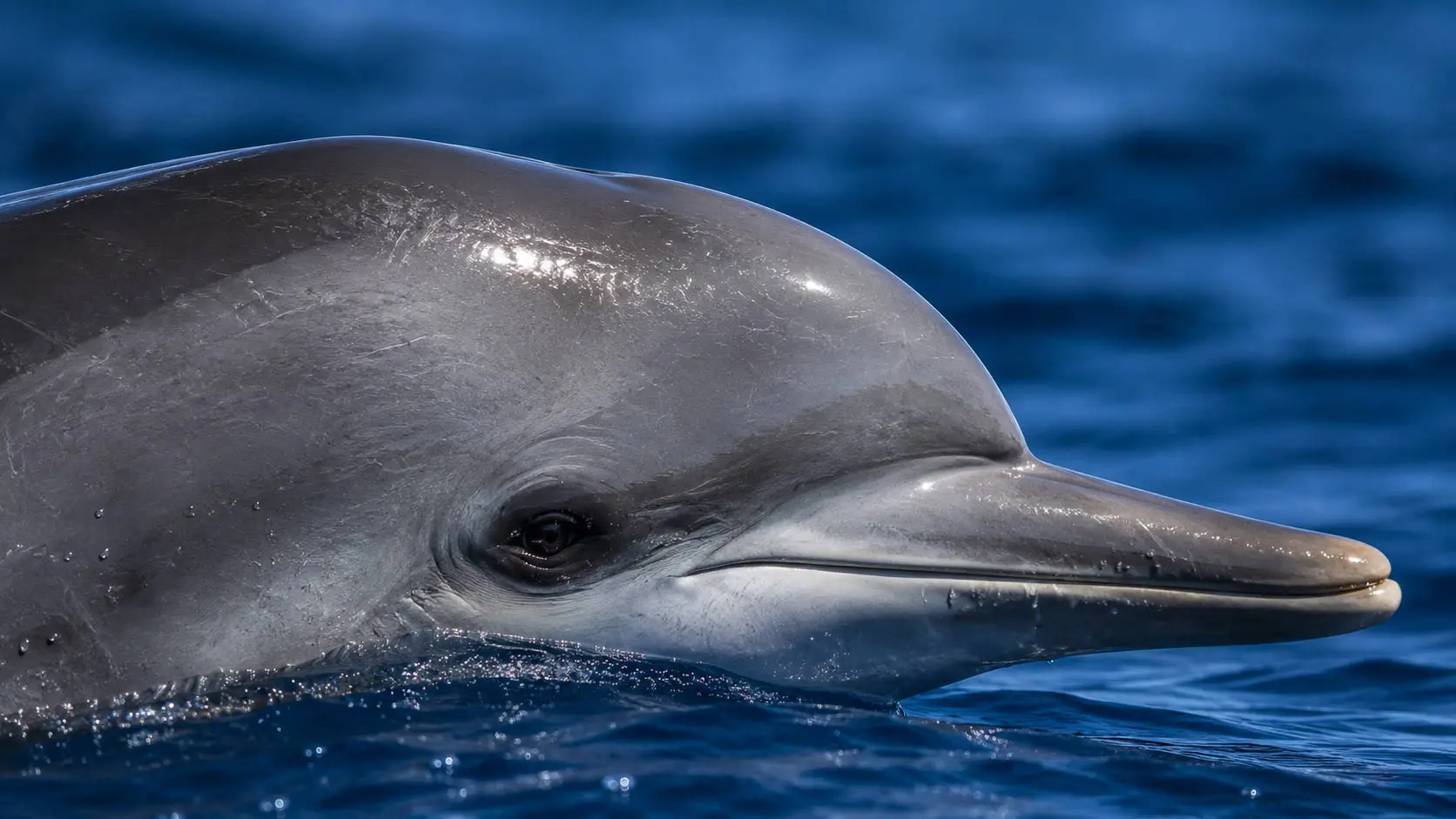
Yes, dolphins have teeth. In fact, spinner dolphins have quite a lot of them. But these teeth work nothing like human teeth, and understanding how they function tells you a great deal about how dolphins hunt, eat, and survive in the open ocean. The next time you are out on the water off Oahu's Waianae Coast and a pod of spinner dolphins glides past the bow, those smiling faces hold more information than you might expect.
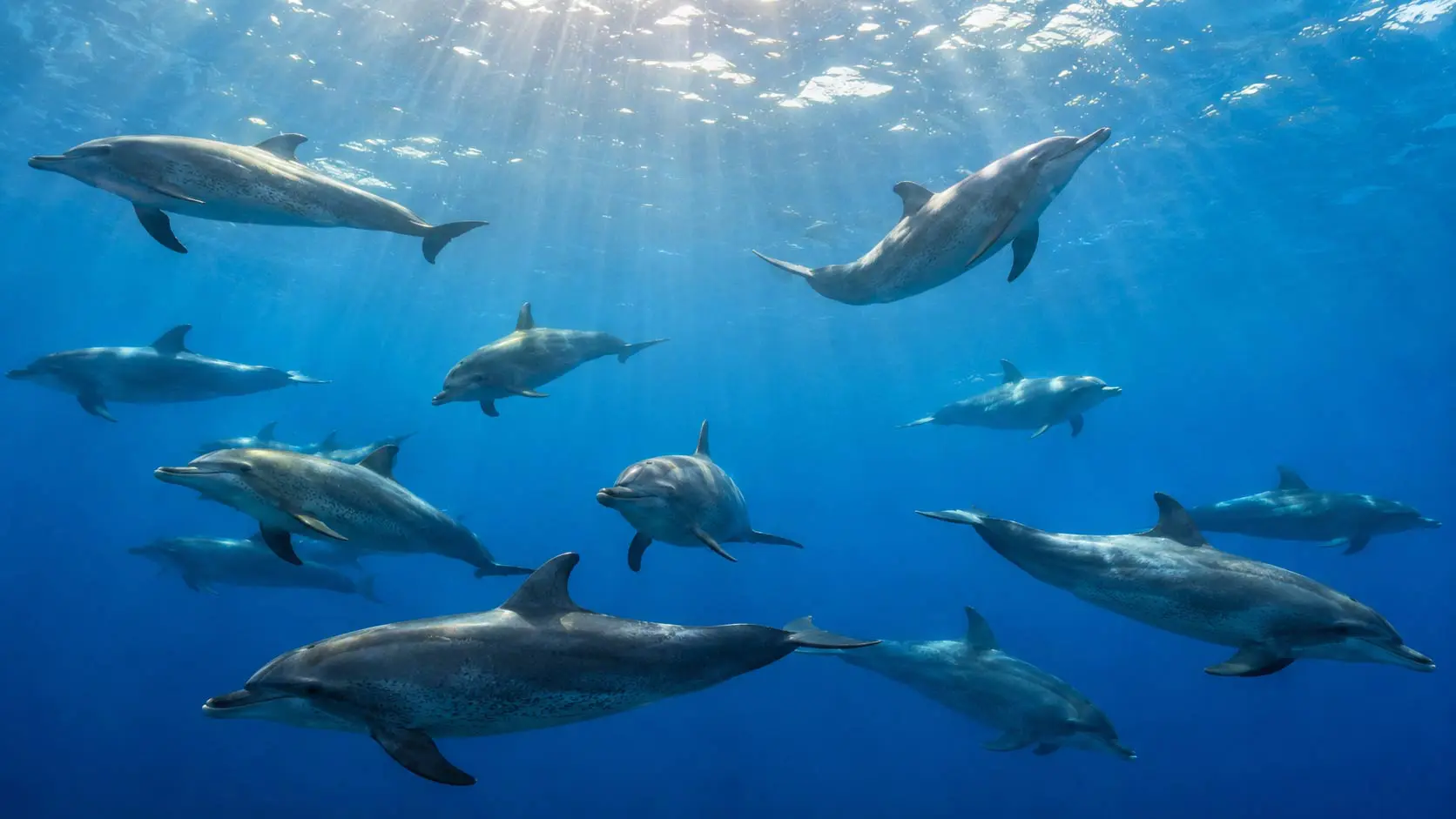
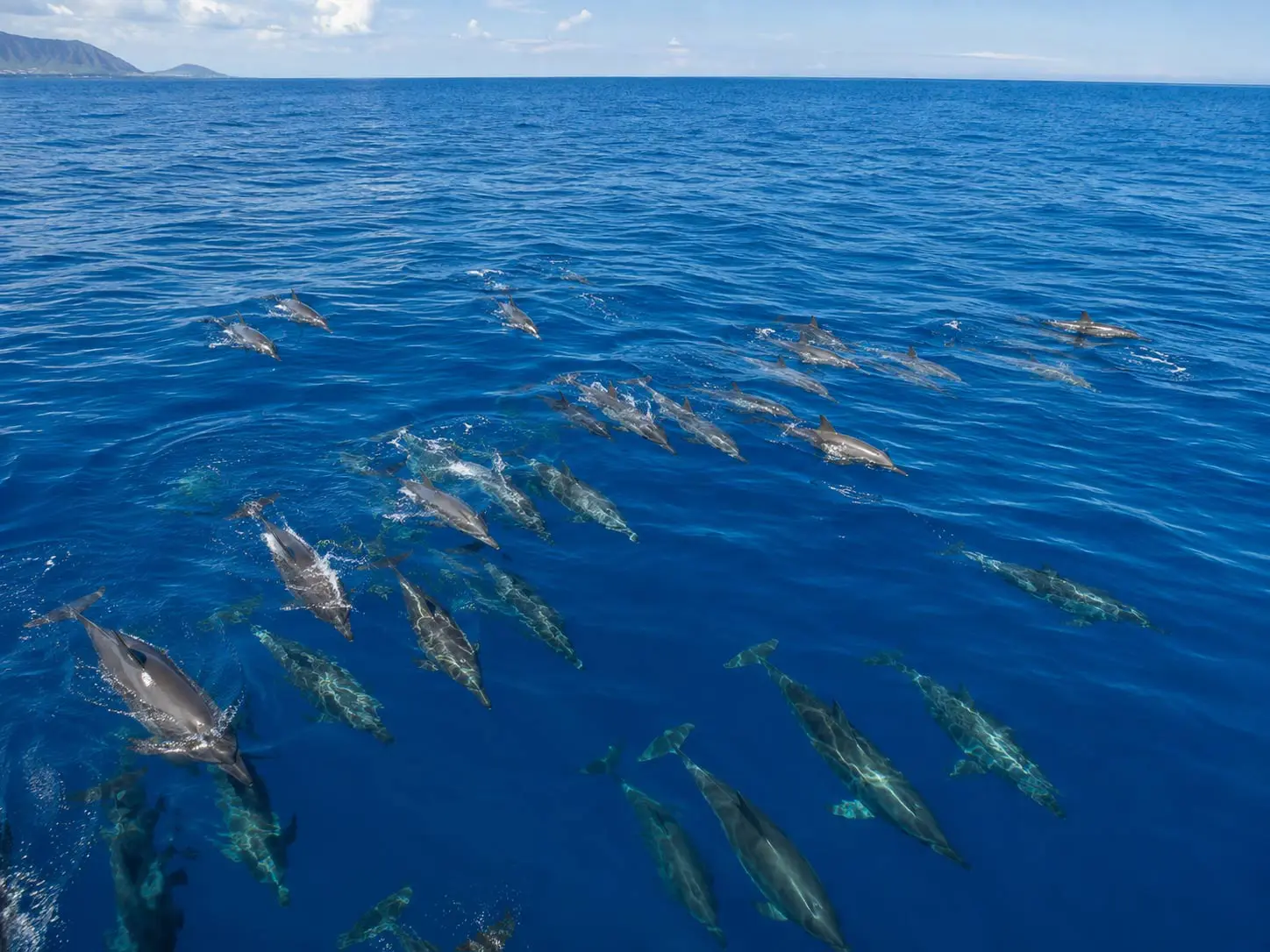
Most people guess dolphins are fast swimmers, but when the actual numbers come back from research, they surprise almost everyone. Hawaiian spinner dolphins, the wild pods you might encounter along the Waianae Coast on an Oahu dolphin tour, are capable of speed and agility that makes even experienced ocean swimmers feel like they are standing still. Understanding how dolphins move through the water changes the way you see them entirely.
Researchers watching wild dolphins have seen something that stops them cold: a mother carrying her dead calf through the water for days, refusing to let go. It happens across multiple dolphin species, including spinner dolphins, and scientists have documented it more than 30 times. Whether this is grief the way humans understand it is still debated. But what drives the behavior points to emotional lives that are far more complex than most people expect.
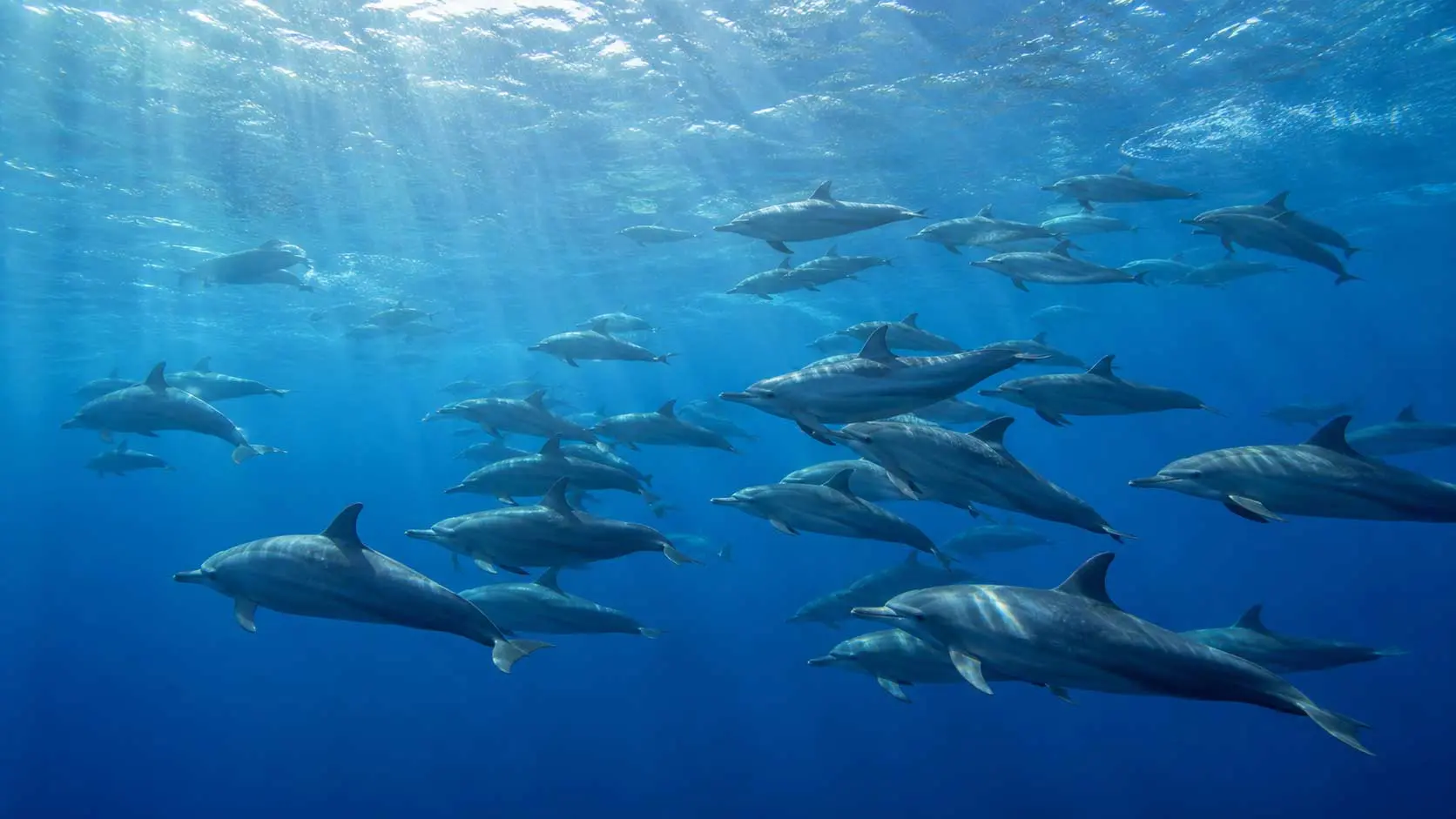
Spinner dolphins are not just social animals. They are precision hunters who spend their nights working together in coordinated groups to chase down fish and squid in the dark waters off Oahu. Understanding how they hunt, from the herding strategies to the role of echolocation, makes every surface sighting on an Oahu dolphin tour carry a whole new meaning.
Most people who join a dolphin tour on Oahu know the dolphins will be there in the morning. What they do not know is where those dolphins have been all night. By the time you see them gliding near shore, spinner dolphins have already completed one of the most demanding feeding hunts in the ocean. Here is what happens below the surface when the sun goes down.
Ocean Safety Tips for Visitors to Oahu Coming to Hawaii and jumping into the ocean is a common and exciting thing to do during your vacation here. But there are…
Aloha is a very well-known Hawaiian word for many people, but what does it actually mean? To many people, aloha is recognized as just an expression of greeting, being no…