

Why Do Humpback Whales Migrate to Hawaii?
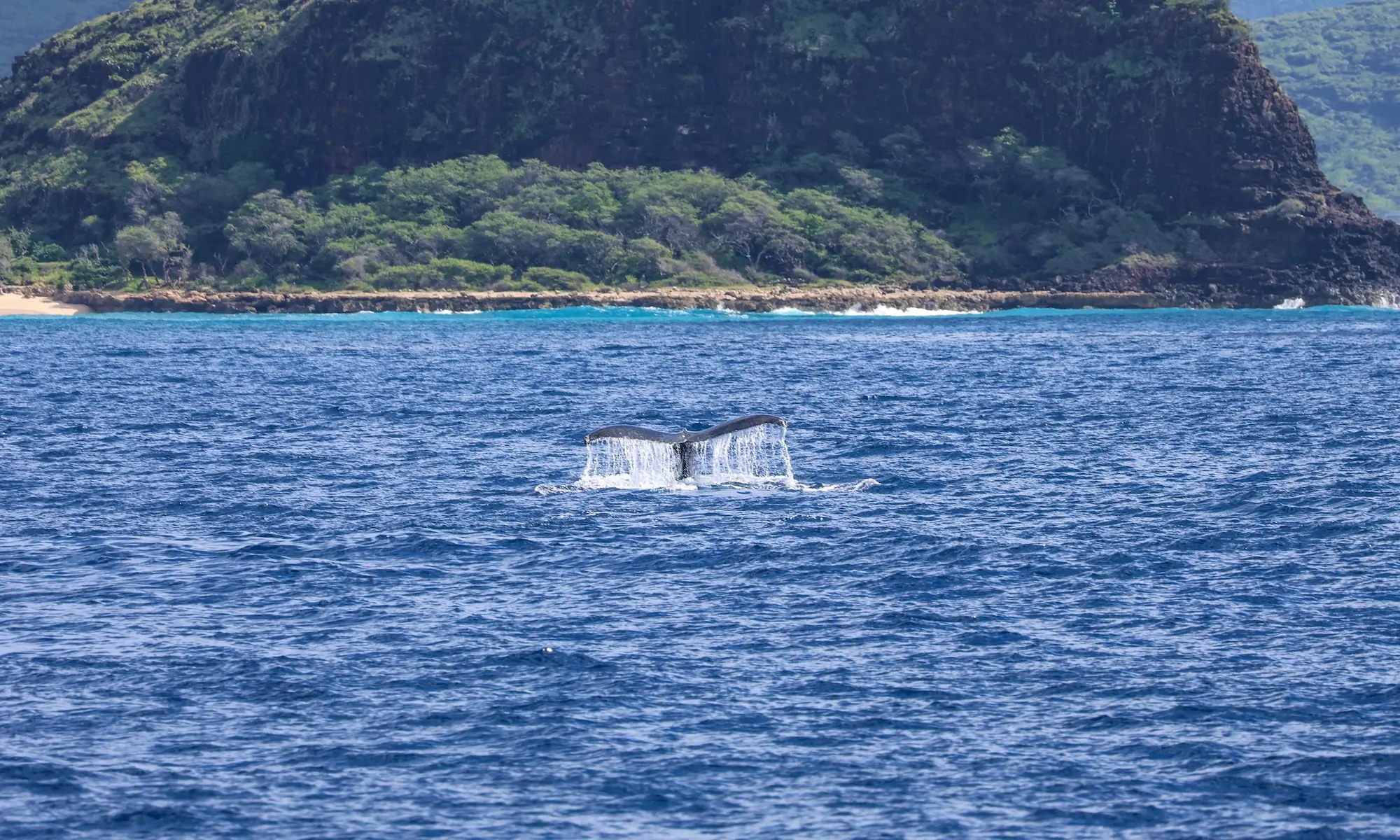
Humpback whales are magnificent creatures known for their size and for breaching the surface of the ocean. But something people don't know is that humpback whales migrate to Hawaii during…
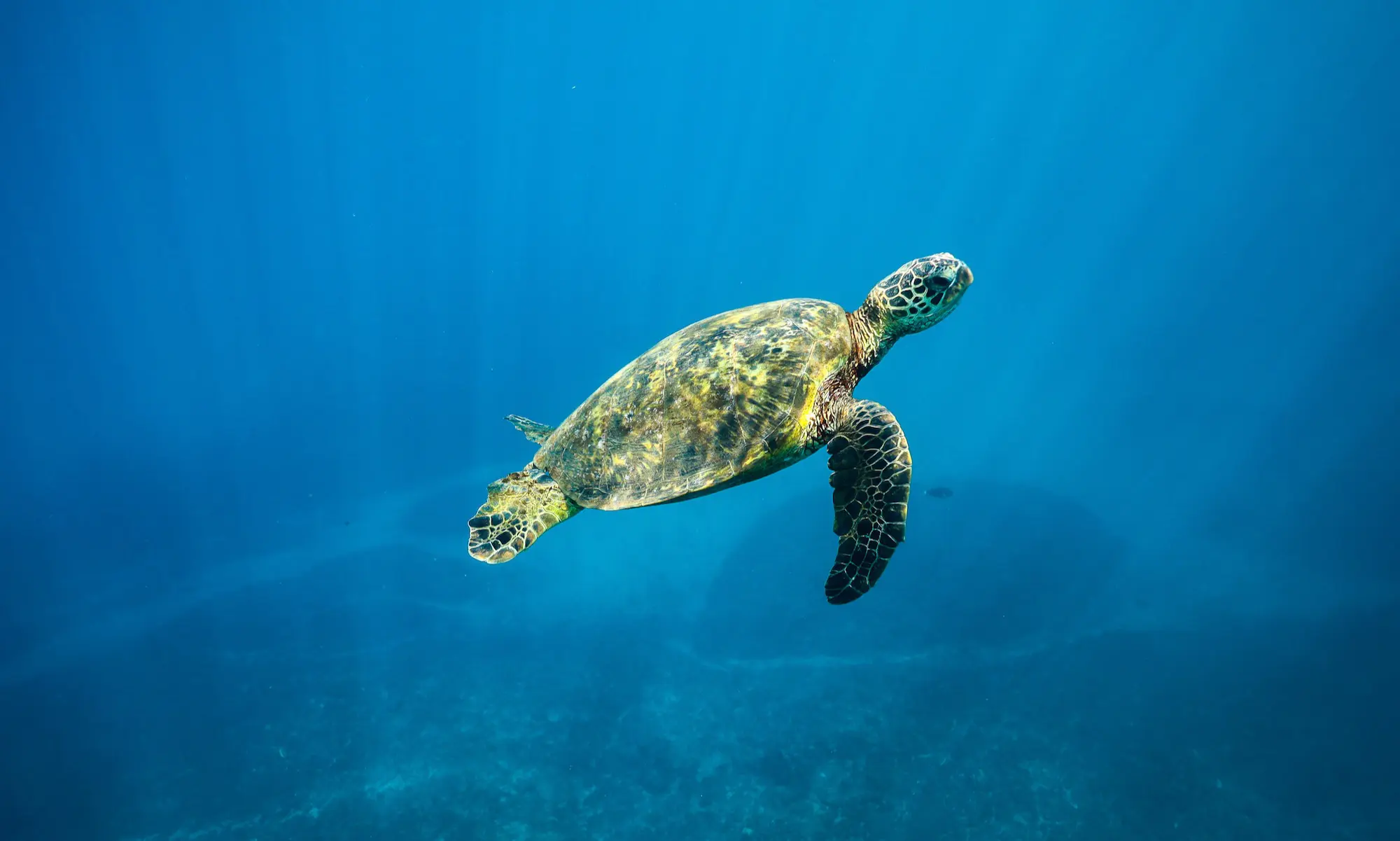
Hawaiian green sea turtles are native, beloved creatures that chill in the beautiful waters of Hawaii. You can find them commonly at many beaches around Hawaii, some more than others.…
Hawai is a place holding on to a rich culture, one stemming not only from the multitude of diverse cultures, but also the one that is the foundation of it…
Waikiki has a rich history prior to being the world-famous paradise location that it is today. Waikiki was once a swampland, which was used for irrigation. This location was also…
Not sure which Oahu tour combo is right for you? Compare our most popular dolphin tour packages and discover whether a Circle Island adventure or a Waikiki party cruise best matches your travel style.
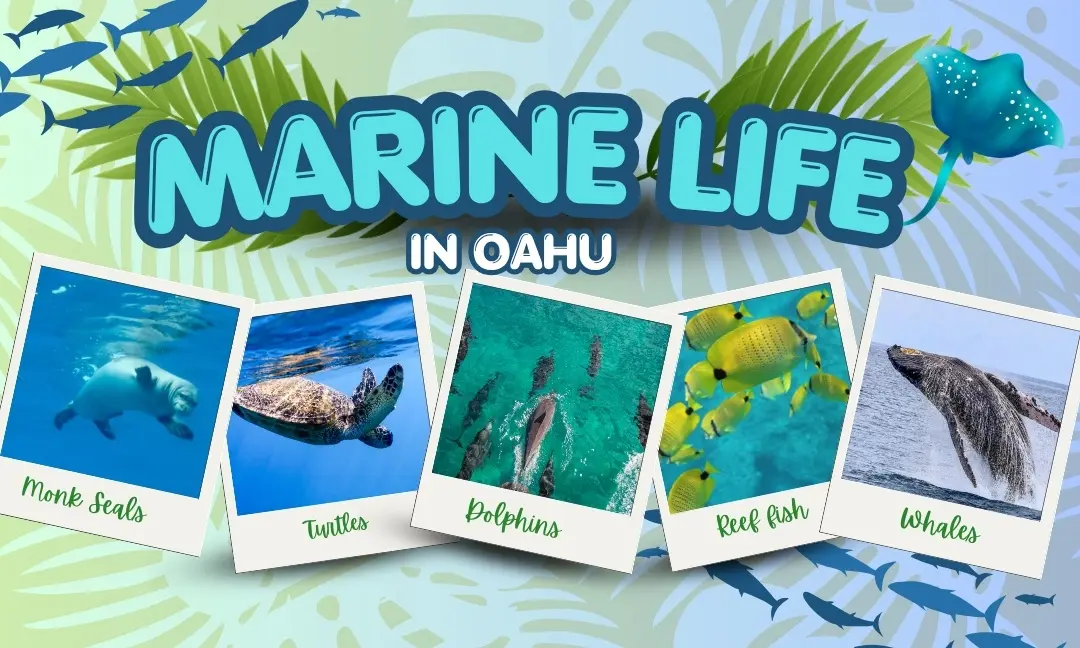
Explore the diverse marine life found around Oahu, from Hawaiian spinner dolphins and sea turtles to tropical fish, whales, and west coast snorkeling experiences.
Hawaii is known for numerous things, such as its rich and diverse culture, its delicious food, and how laid back the people can be. Many people also come yearly to…
Makaha Beach is one of Oahu’s most scenic and culturally significant west coast beaches, known for crystal-clear water, surf culture, dramatic mountain scenery, and authentic local atmosphere.
Not all dolphin tours in Hawaii offer the same experience. Learn the difference between family-friendly dolphin watching tours and offshore dolphin swim experiences, including safety, ocean conditions, and what to expect.
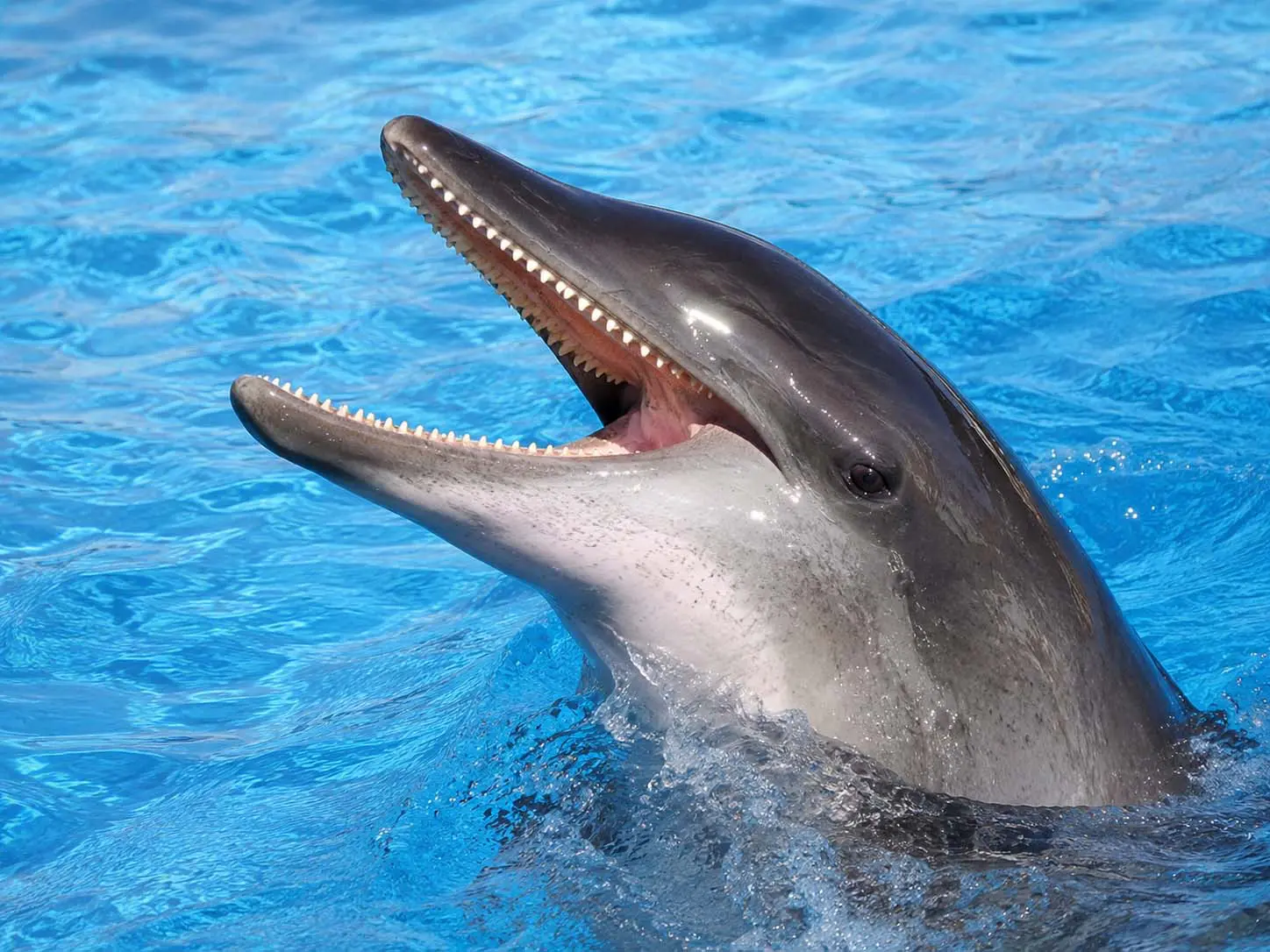
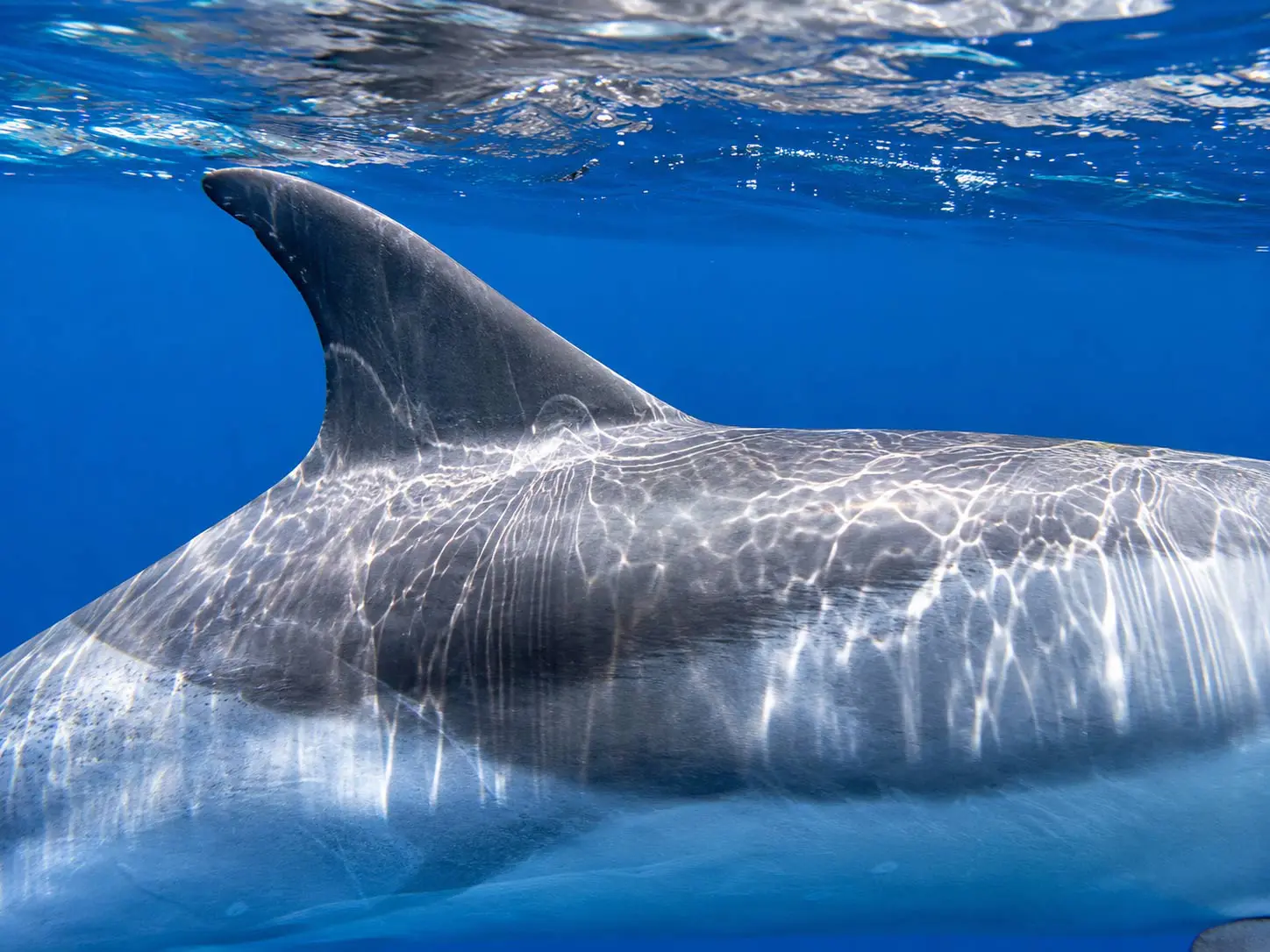
Ask most people which dolphins live in Hawaiian waters, and the answer you will almost always hear is spinner dolphins. The spinners are there, and they are remarkable, but Hawaii is home to more cetacean species than most visitors ever realize. One of the more unusual is a deep-ocean animal that most people have never heard of. The rough-toothed dolphin lives year-round in the offshore waters around the Hawaiian Islands, and it looks, behaves, and lives so differently from everything else out there that spending a few minutes learning about it changes the way you see the ocean.
Most people watching spinner dolphins leap off the Waianae Coast are focused on the jump - the spin, the splash, the sheer speed of it. Almost no one is thinking about what's underneath the skin, but what's there matters more than you might expect. Every Hawaiian spinner dolphin carries a layer of specialized fat called blubber, and it is one of the most efficient biological materials found in the animal world. It keeps them warm, fuels them through lean times, shapes how they move, and carries far more responsibility than its simple name suggests.
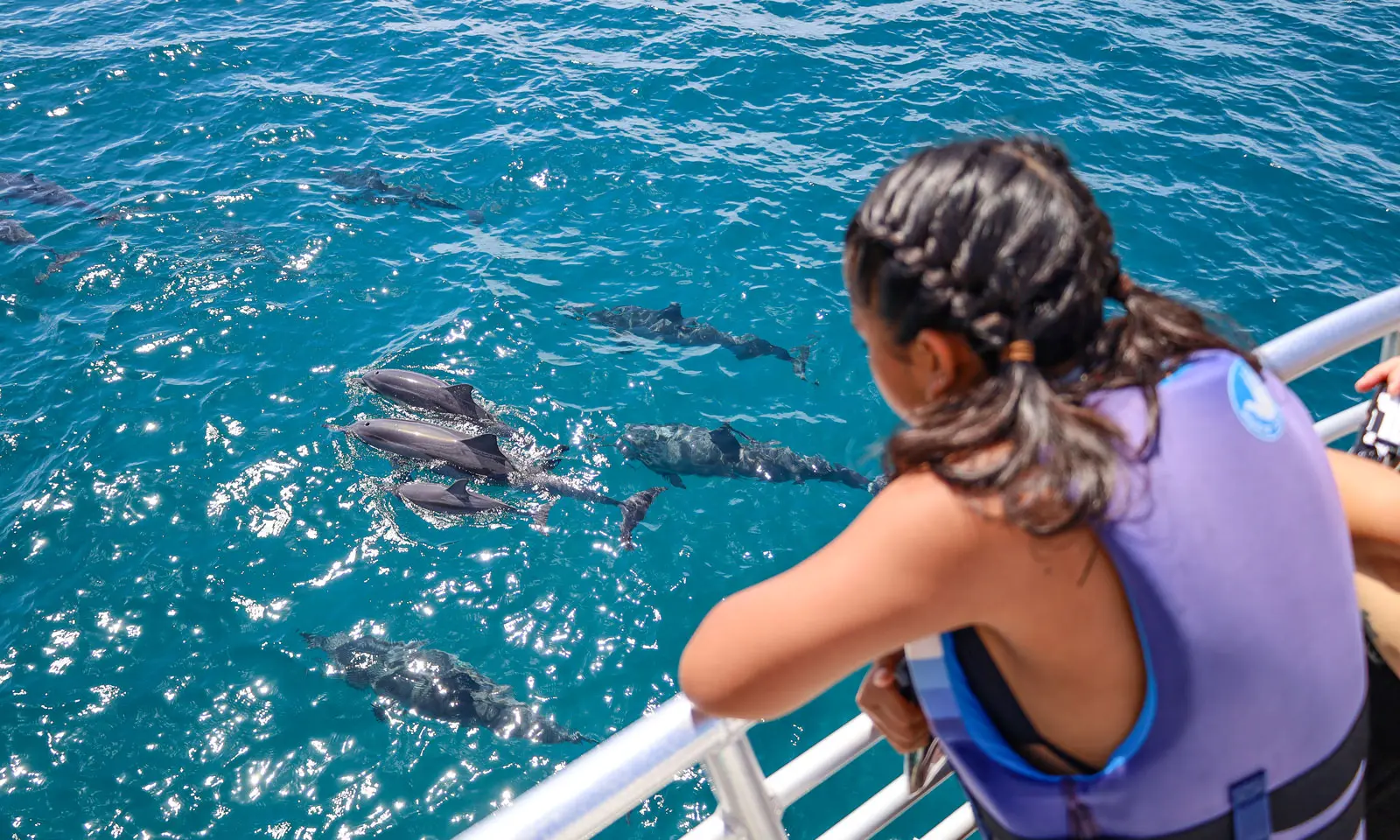
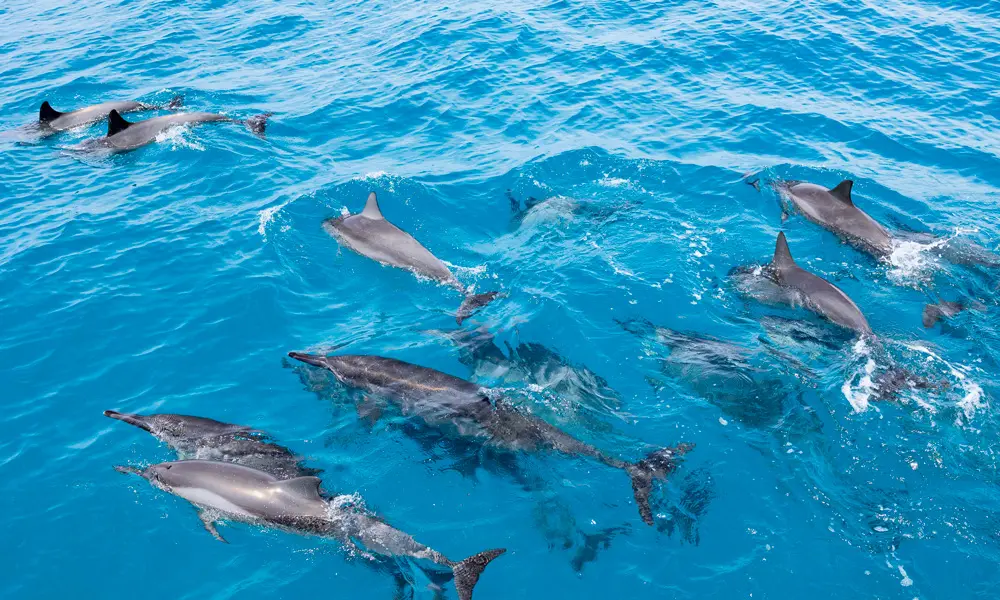
When you watch a pod of spinner dolphins moving through the water off Oahu's western coastline, you are watching the result of a sophisticated social system that governs nearly everything these dolphins do. From who they sleep beside to who they hunt with after dark, spinner dolphin pods run on rules that have been refined over millions of years. Here is what is really happening inside a pod and why it matters for every encounter on the water.
Makua Beach is one of the most scenic and culturally significant beaches on Oahu’s west coast. Discover what makes this beautiful beach unique, including safety tips, swimming conditions, and the best time to visit.
When a spinner dolphin pod starts moving differently off the Waianae coast, it is usually noticeable from the boat. The group gets tighter. Two animals begin swimming in close parallel, nearly touching. One rolls slowly toward the other. What looks like casual play is often something else entirely. Here is what is actually happening and what it reveals about one of the ocean's most complex social species.
When a dolphin surfaces next to a boat with a jagged scar from a shark bite and swims away like nothing happened, a natural question comes up. Do dolphins actually feel pain? The answer is more interesting than a simple yes or no. Dolphins have pain receptors, respond to harmful stimuli, and show clear distress in certain situations. But their biology has also evolved some of the most sophisticated natural pain-management systems in the animal kingdom. Here is what the science says.