

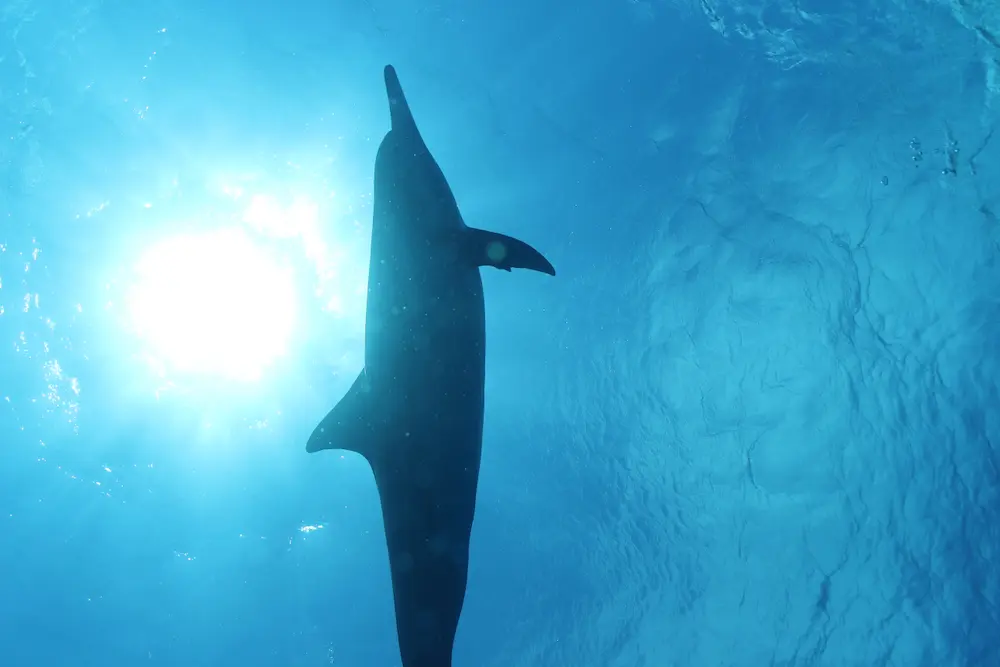
Dolphins are one of the top wildlife attractions in Hawaii, and for good reason. Watching them leap through the waves or glide near your boat is a memory that stays with you. But with their popularity comes a problem. Not all tours are safe for dolphins, and not all visitors know the rules.
NOAA regulations are in place to protect these intelligent marine animals. Some tour companies follow these rules. Some do not. If you are visiting Oahu and want to experience dolphins the right way, this guide is for you.
NOAA regulations: what the rules actually say
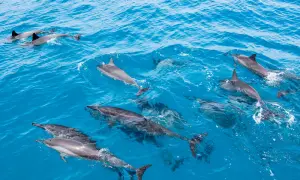
Swimming with wild spinner dolphins in their nearshore resting areas is restricted under NOAA rules. These regulations exist because spinner dolphins are active at night and rest during the day. Too much disturbance from boats and swimmers affects their health, their ability to rest, and ultimately their survival.
The key regulations:
- No swimming with wild spinner dolphins within 50 yards, by law
- Boats must stay at least 50 yards away from dolphins at all times
- No circling, chasing, or cutting off dolphins
- Tour operators must follow NOAA guidelines
- Dolphins in rest zones or bays must not be approached
These rules apply specifically to spinner dolphins in their nearshore resting habitat. Understanding why watching from the boat is the responsible choice changes how you experience the tour. You are not getting a lesser version of the encounter. You are getting the honest one.
The decline and recovery of dolphins in Hawaii
Over the past few decades, dolphin populations in Hawaii, especially around the main islands, have come under pressure from increased boat traffic, unregulated swimming tours, and tourists unknowingly stressing resting pods.
After stricter regulations rolled out, and with more education about dolphin behavior in place, things have improved. More dolphins are being spotted in known resting areas, healthier pods are producing more calves, and responsible tourism is playing a meaningful role in that recovery.
Spinner dolphins live in tight social groups with long-term bonds between individuals. Disruption to their rest patterns affects the entire pod. When people respect the rules, dolphins respond. The recovery happening off Oahu’s west coast is evidence of that.
Warning: some companies still break the rules
Even now, not every dolphin tour operates legally. Some companies still advertise “swim with wild dolphins” experiences, even though that is prohibited under federal law. These companies either skirt the rules or operate without proper certification.
Watch out for these red flags:
- Ads that promise close encounters or swimming with wild dolphins
- Boats that rush toward dolphin pods or approach too closely
- No mention of NOAA regulations or environmental guidelines on their website
- Tour guides who encourage entering the water near resting dolphins
Supporting these tours harms dolphins and contributes to the kind of tourism that caused their decline in the first place. Instead, look for certified tours that educate guests, follow the regulations, and offer respectful, legal viewing from the boat.
👉 Here is how to spot a legitimate Oahu dolphin tour →
Are dolphin tours ethical?
It depends entirely on the operator.
Captive dolphin tours keep dolphins in tanks for entertainment. They do not live natural lives and may experience significant stress. Ethical concerns are high, and most marine scientists and conservation organizations do not support captive dolphin encounters.
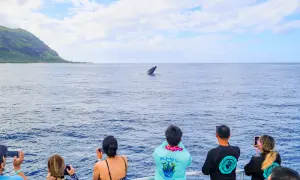
Responsible wild dolphin tours are different. Dolphins remain in their natural habitat. Boats stay back and observe from a respectful distance. There is no touching, no chasing, and no swimming with resting dolphins. These tours fund conservation, support local operators who follow the rules, and give guests a genuine wildlife encounter.
When done correctly, wild dolphin tours are ethical, educational, and genuinely remarkable. You see dolphins being themselves, not performing for food. And your money goes to companies helping protect them.
How to choose a responsible operator
A tour worth booking will do all of the following:
- Explain NOAA rules clearly before and during the tour
- Watch dolphins from the boat without entering the water near them
- Maintain safe distances and never chase or circle pods
- Have certified, experienced crew with a verifiable track record
- Be transparent about what to expect, including that sightings are very likely but never guaranteed
👉 Here are 10 reasons why Dolphins and You meets every one of these criteria →
Dolphins and You has operated off Oahu’s Waianae Coast for over 35 years, is NOAA-compliant, and holds a 4.9-star rating across thousands of Google reviews. The Waianae Coast is where Hawaii’s spinner dolphins gather every morning, and every tour is designed around responsible observation rather than intervention.
See dolphins, support conservation
Being a dolphin-friendly tourist in Oahu is straightforward. Follow the regulations, choose an ethical operator, and enjoy the experience without harming the animals.
The dolphins off Oahu’s west coast are thriving in part because visitors and businesses are making better choices. Your decision about which tour to book is part of that story.
Want to learn more about responsible dolphin tourism in Oahu?
👉 Read our complete guide to choosing an Oahu dolphin tour →
Tours depart from Waianae Boat Harbor, West Oahu, where Hawaii’s spinner dolphins gather every day.