

Meet the Rough-Toothed Dolphin: Hawaii’s Deepest-Water Ocean Dweller

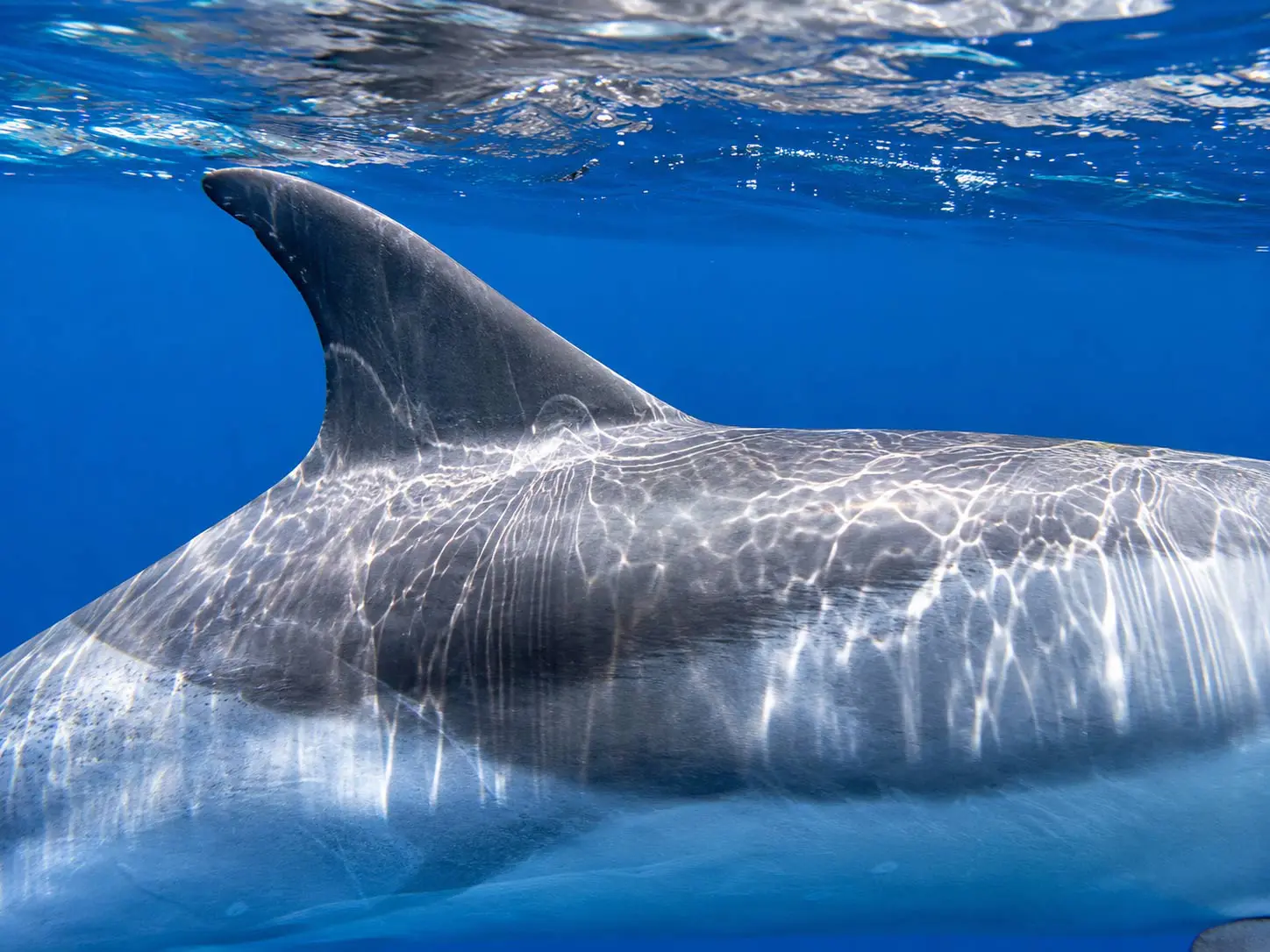
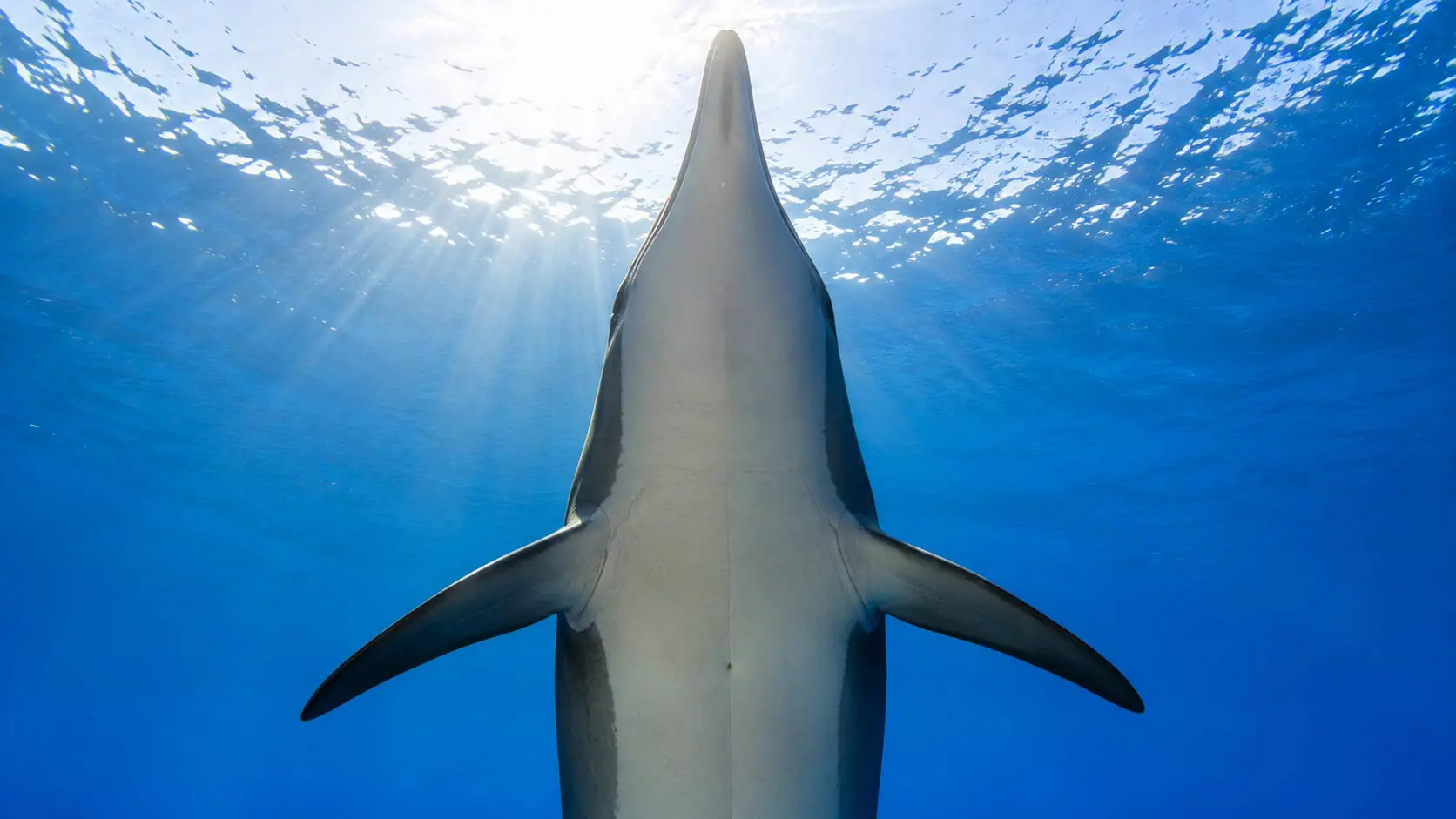
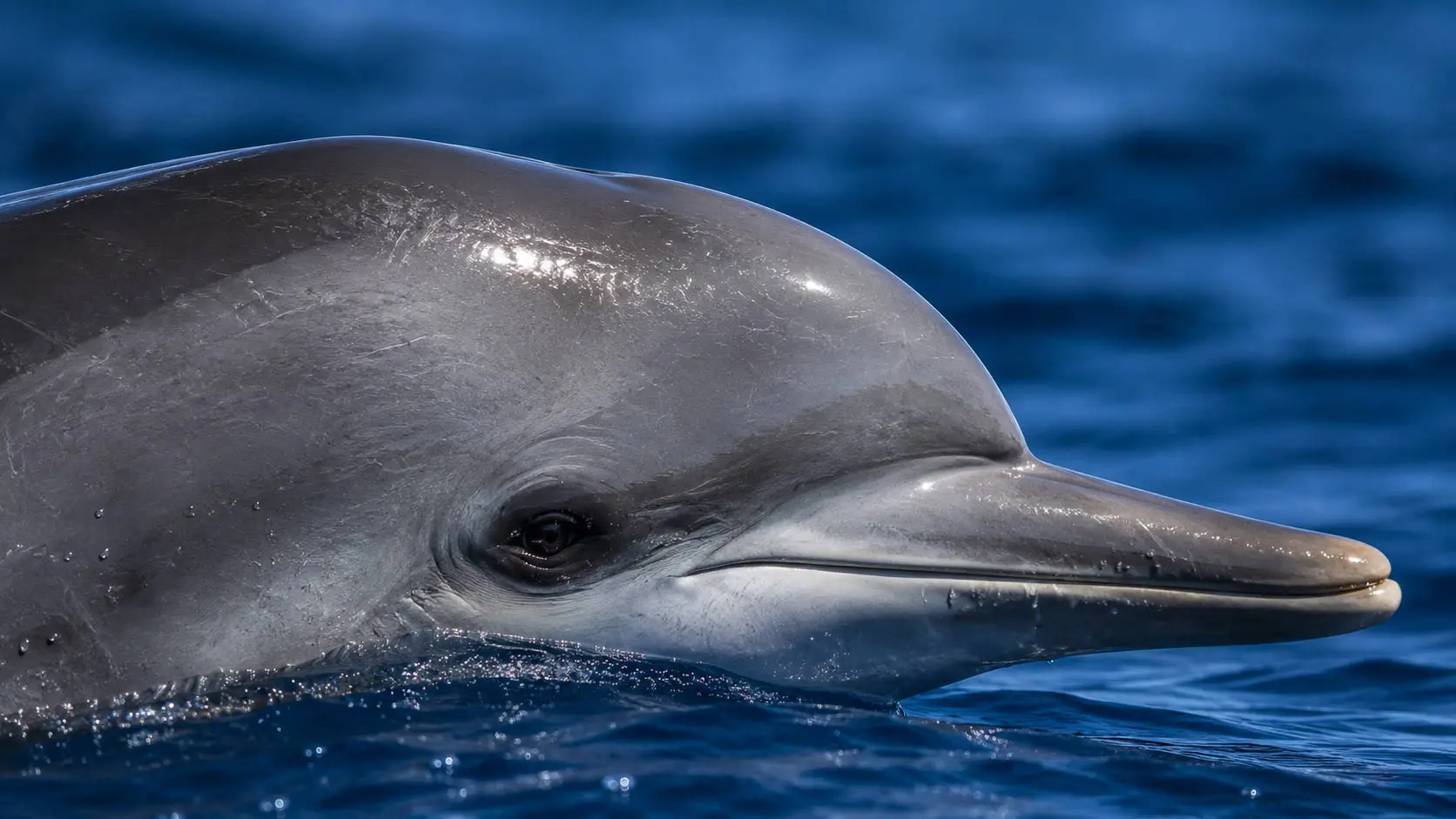
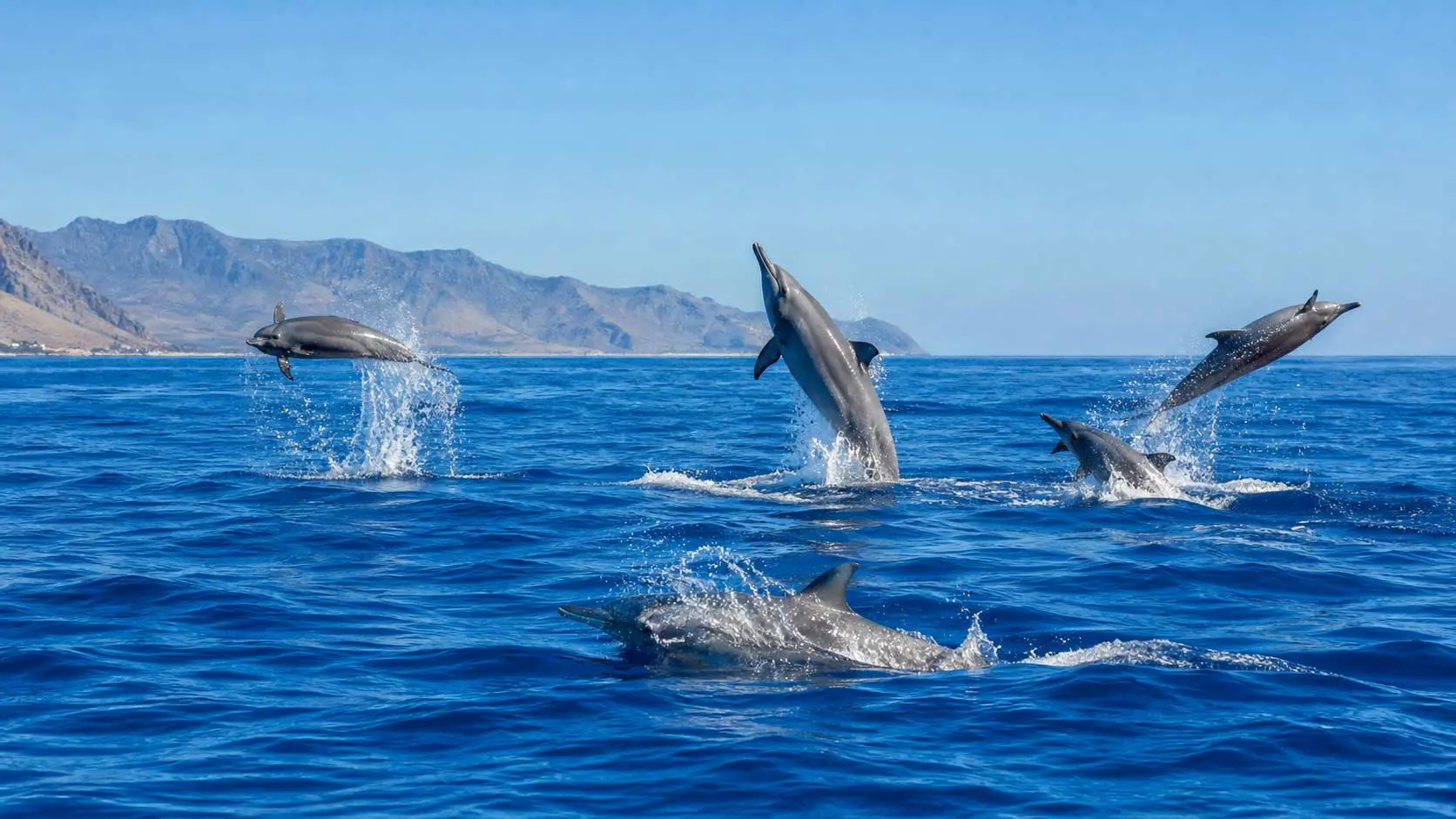
Ask most people which dolphins live in Hawaiian waters, and the answer you will almost always hear is spinner dolphins. The spinners are there, and they are remarkable, but Hawaii is home to more cetacean species than most visitors ever realize. One of the more unusual is a deep-ocean animal that most people have never heard of. The rough-toothed dolphin lives year-round in the offshore waters around the Hawaiian Islands, and it looks, behaves, and lives so differently from everything else out there that spending a few minutes learning about it changes the way you see the ocean.

Continue ReadingMeet the Rough-Toothed Dolphin: Hawaii’s Deepest-Water Ocean Dweller

What’s Under a Dolphin’s Skin? The Hidden Power of Blubber in Hawaiian Waters

Blubber is not just insulation. For Hawaiian spinner dolphins, this specialized layer of fat shapes their body profile, fuels nursing mothers through the demands of raising a calf, and tells researchers more about an animal's health than almost any other measurement. Here is what it actually does and why it matters.

Continue ReadingWhat’s Under a Dolphin’s Skin? The Hidden Power of Blubber in Hawaiian Waters

Inside the Pod: How Hawaii’s Spinner Dolphins Organize Their Social World

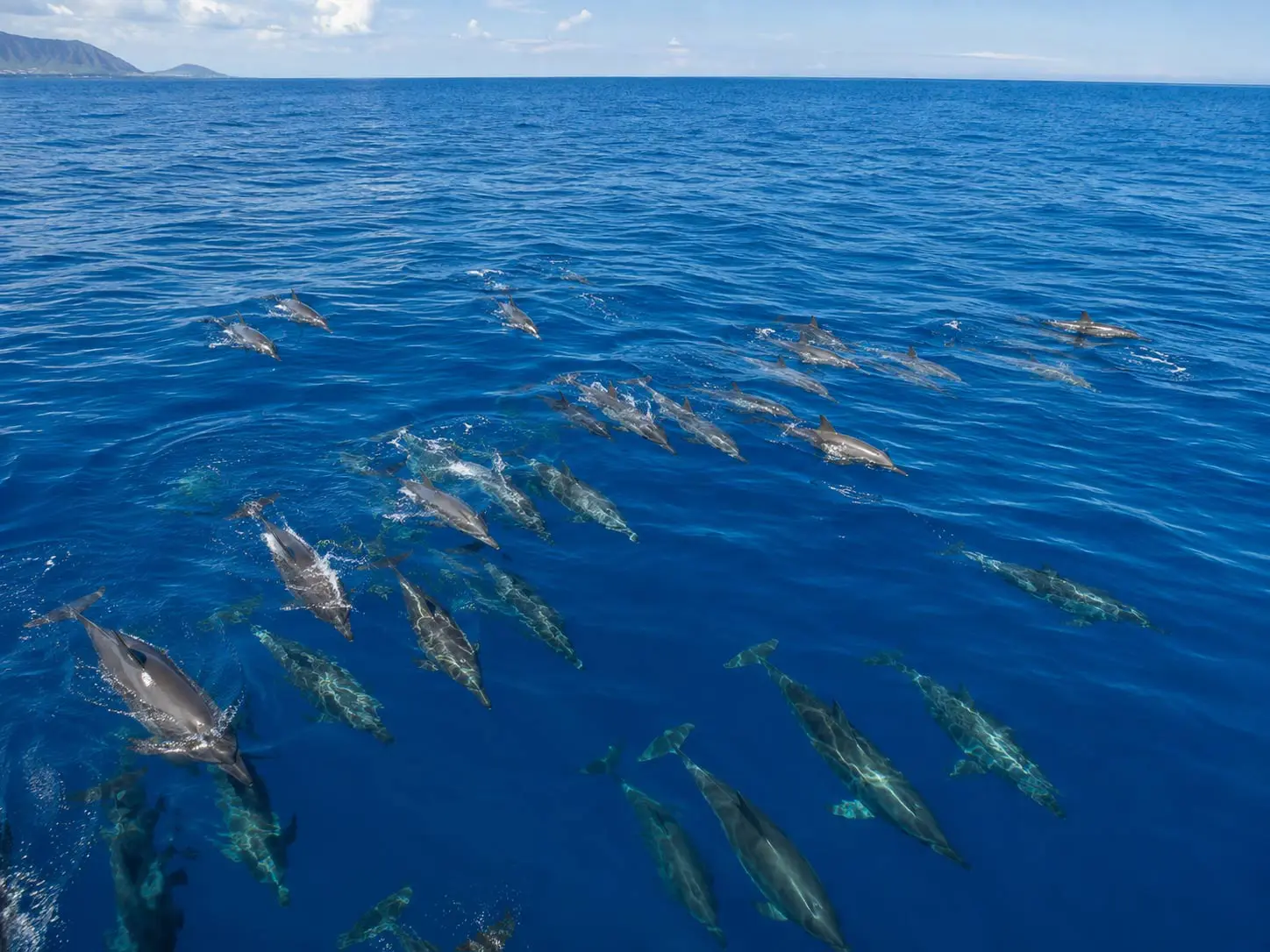
When you watch a pod of spinner dolphins off Oahu's Waianae Coast, you are not watching a random crowd. You are watching the result of a sophisticated social system built on years of individual relationships. Here is how spinner dolphin pod structure actually works, and what is happening beneath the surface you can see.

Continue ReadingInside the Pod: How Hawaii’s Spinner Dolphins Organize Their Social World

Spinner Dolphin Courtship in Hawaii: What Really Happens When Dolphins Fall for Each Other

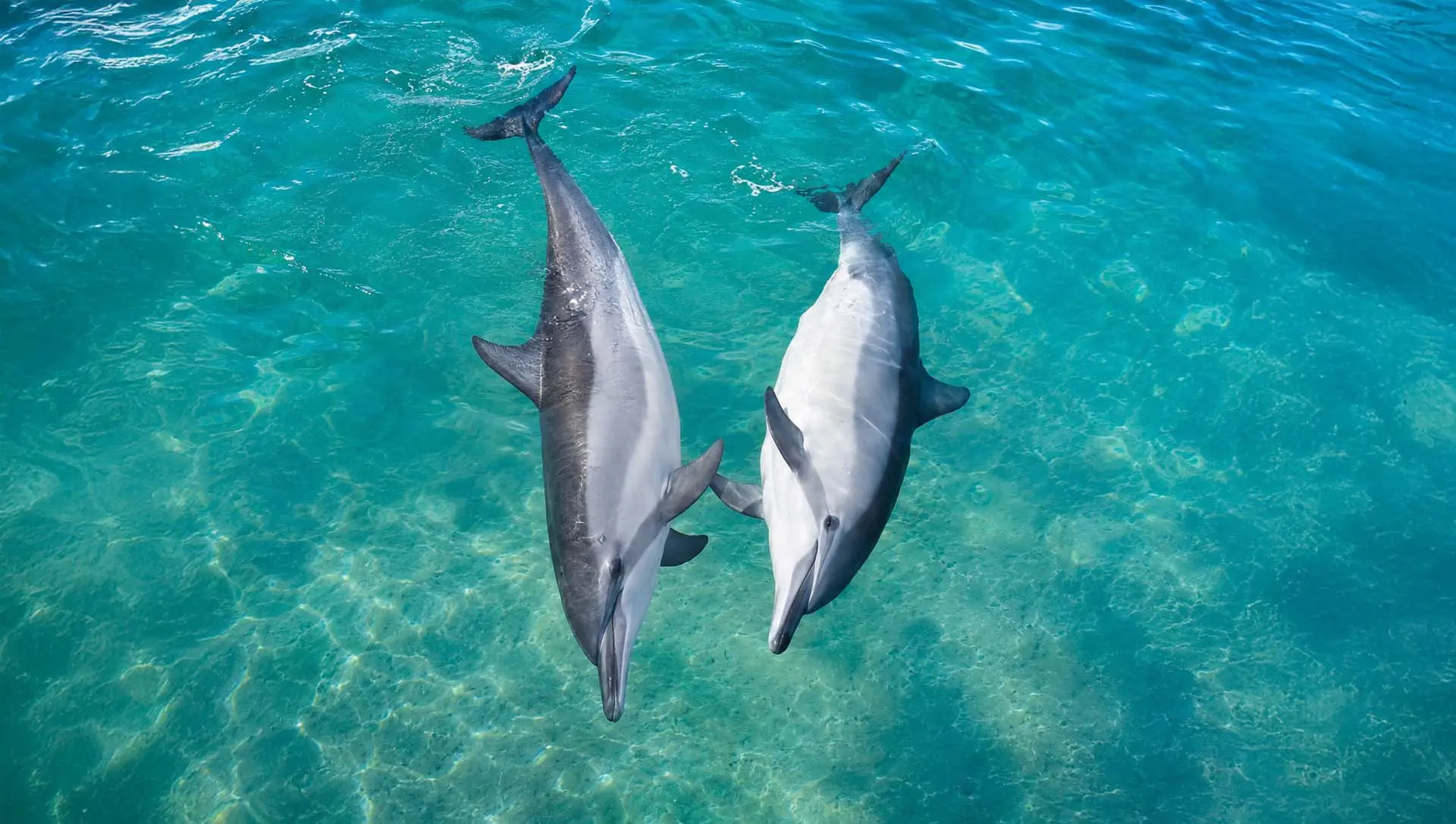
Spinner dolphin courtship in Hawaii plays out across a fluid, open social network where individual dolphins encounter a wide range of potential partners throughout their lives. Here is what the behavioral science says about how they select mates, what courtship looks like from the water, and how the pod raises the calves that result.

Continue ReadingSpinner Dolphin Courtship in Hawaii: What Really Happens When Dolphins Fall for Each Other

Do Dolphins Feel Pain? The Surprising Science Behind How Dolphins Handle Injury

Yes, dolphins feel pain. They have pain receptors and a developed limbic system just like humans. But their biology also includes genetic pain-management adaptations, reduced spinal cord pain centers, and wound-healing abilities that allow them to recover from severe shark bites in days. Here is the science behind how they do it.

Continue ReadingDo Dolphins Feel Pain? The Surprising Science Behind How Dolphins Handle Injury

Warm-Blooded in Cold Water: How Dolphins Regulate Their Body Temperature

Dolphins are warm-blooded and need to maintain an internal temperature between 97 and 100 degrees Fahrenheit, even in the cold Pacific. Here is how blubber, countercurrent heat exchange, skin color, and the warm waters of the Waianae Coast all work together to keep Hawaii's spinner dolphins in perfect thermal balance.

Continue ReadingWarm-Blooded in Cold Water: How Dolphins Regulate Their Body Temperature

How Do Dolphins Get Fresh Water? The Surprising Science of Dolphin Hydration

Drinking seawater would kill a dolphin the same way it would kill a human. Yet spinner dolphins live their entire lives surrounded by it without ever taking a sip. Learn how Hawaii's spinner dolphins stay fully hydrated using only what they hunt, and why their kidneys make it all possible.

Continue ReadingHow Do Dolphins Get Fresh Water? The Surprising Science of Dolphin Hydration

The Dolphin’s Melon: What That Remarkable Forehead Actually Does

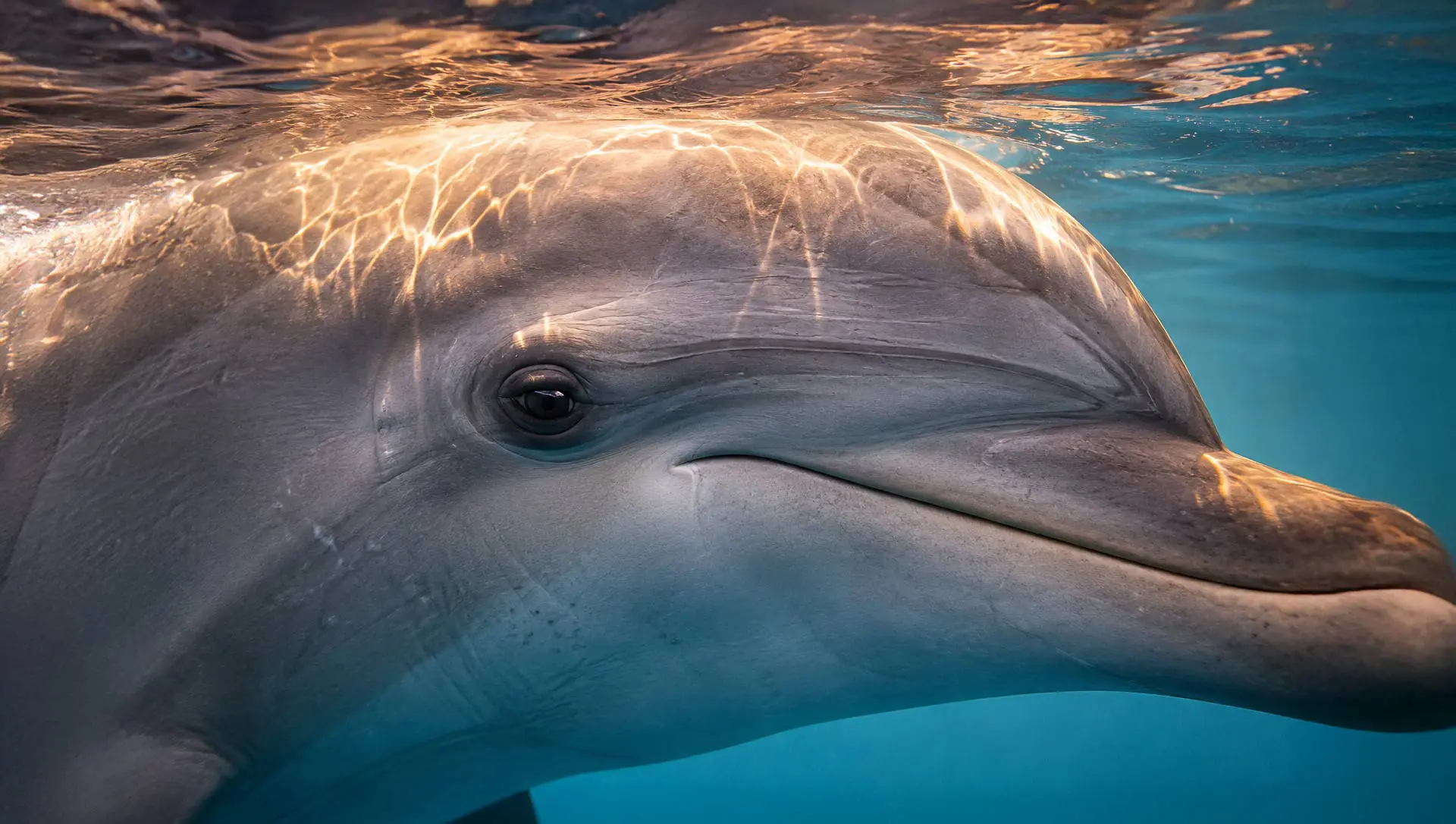
That smooth, rounded forehead on a spinner dolphin is not just the shape of the skull. It is a fatty acoustic organ called the melon, and it focuses sonar clicks into a precision beam. Here is how it works, what dolphins can actually detect with it, and what it looks like from the boat.

Continue ReadingThe Dolphin’s Melon: What That Remarkable Forehead Actually Does

Do Dolphins Use Tools? Inside One of Science’s Most Surprising Discoveries

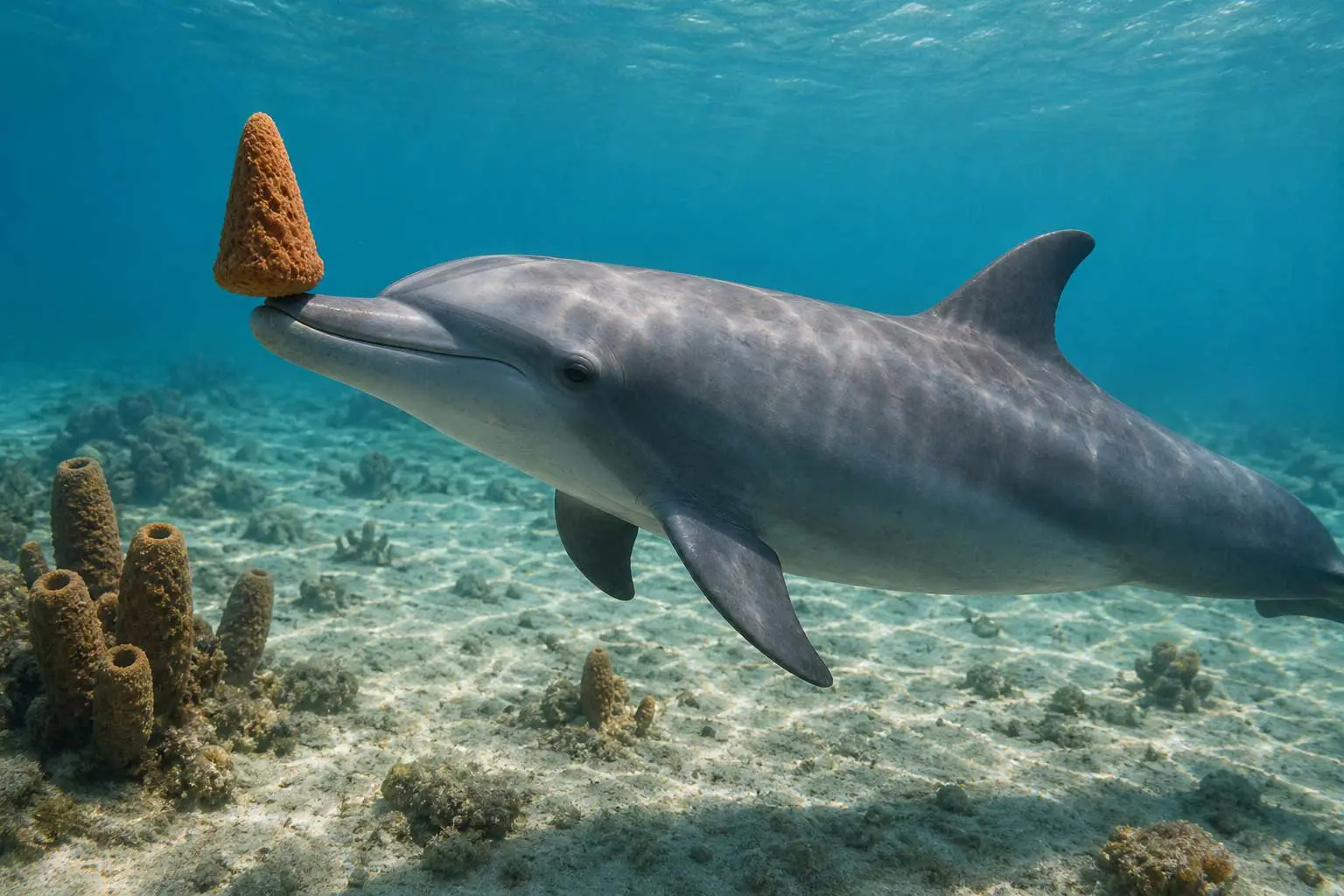
Tool use was once considered uniquely human. Then chimpanzees made the list, then crows, then elephants. Now we know wild dolphins use sea sponges, giant shells, and mud rings to hunt in ways that rival any tool-using species on land. Here is what the science has discovered, including a surprising 2025 finding.

Continue ReadingDo Dolphins Use Tools? Inside One of Science’s Most Surprising Discoveries

Why Do Dolphins Strand on Beaches? The Truth Behind Mass Strandings

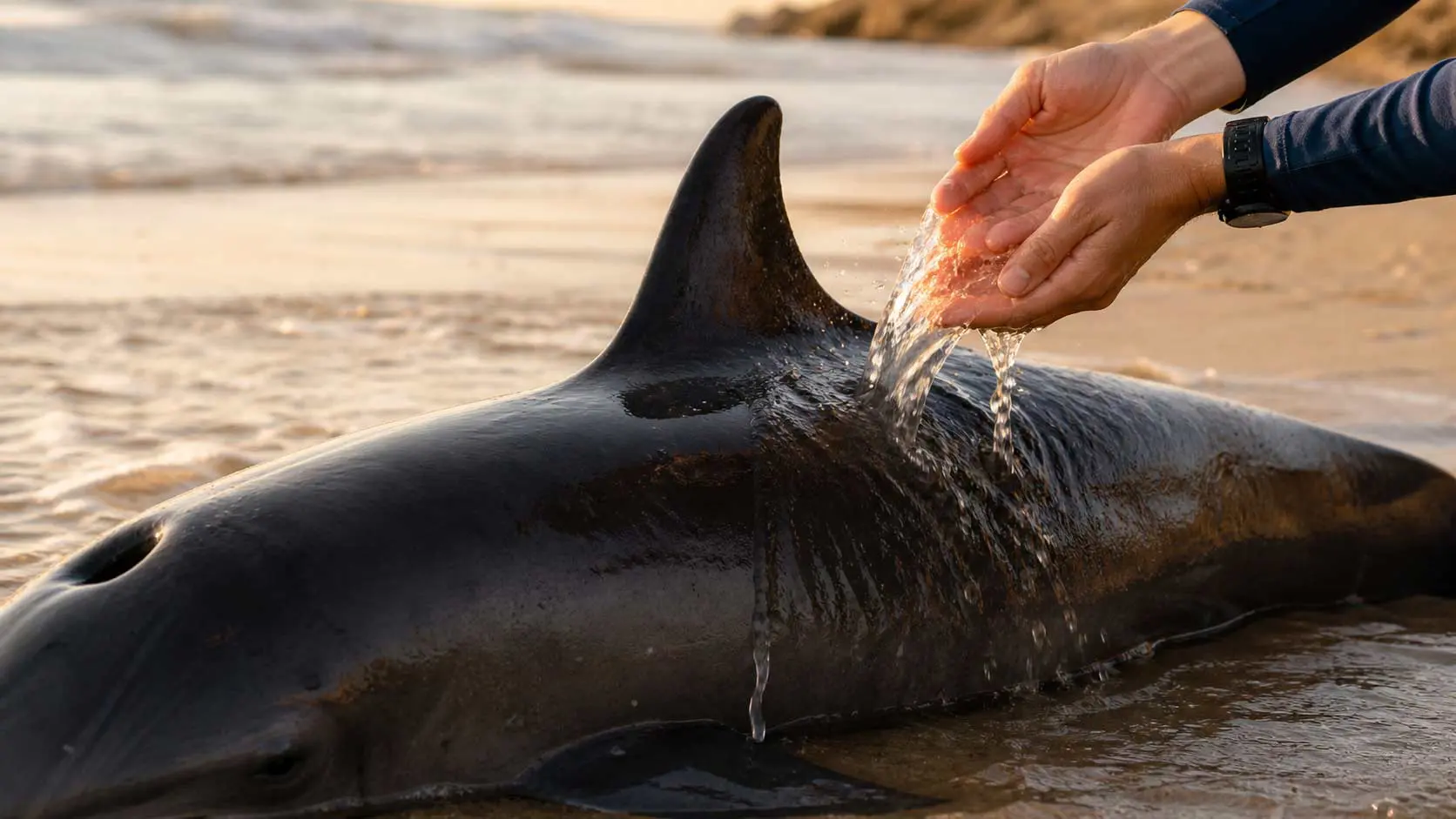
One of the most heartbreaking events in the ocean world is a dolphin stranding on a beach, alive but unable to return to the sea. It happens with surprising regularity worldwide, including in Hawaiian waters. The causes range from natural illness and injury to human-driven threats like sonar noise and ocean pollution. Here is a clear look at why it happens, what science has figured out, and what you should do if you ever encounter a stranded marine mammal on an Oahu beach.

Continue ReadingWhy Do Dolphins Strand on Beaches? The Truth Behind Mass Strandings

Why Dolphins Are Among the Most Playful Animals in the Ocean

Dolphins do not just play as babies. They play their entire lives, and the reasons behind it go far beyond simple fun. From riding the bow waves of boats to passing seaweed through the pod, here is what science has discovered about why dolphins play and what it reveals about their minds.

Continue ReadingWhy Dolphins Are Among the Most Playful Animals in the Ocean

20 Years in the Wild: How Long Hawaiian Spinner Dolphins Actually Live

Hawaiian spinner dolphins typically live between 20 and 26 years in the wild. That lifespan is shorter than most people expect, and it is shaped by everything from fishing gear entanglement to the quality of their daytime rest. Here is how researchers measure it and what it means for every pod you see off the Waianae Coast.

Continue Reading20 Years in the Wild: How Long Hawaiian Spinner Dolphins Actually Live

How Do Dolphins Navigate the Ocean? The Secrets Behind Dolphin Wayfinding

Every morning, Hawaii's spinner dolphins return to the same coastal bays without GPS or visible landmarks. They do it using a combination of biological sonar, sensitivity to Earth's magnetic field, long-term spatial memory, and passive listening that no human navigation system has yet fully replicated. Here is how it all works.

Continue ReadingHow Do Dolphins Navigate the Ocean? The Secrets Behind Dolphin Wayfinding

Do Dolphins Have Teeth? The Surprising Truth About How Spinner Dolphins Bite, Grip, and Feed

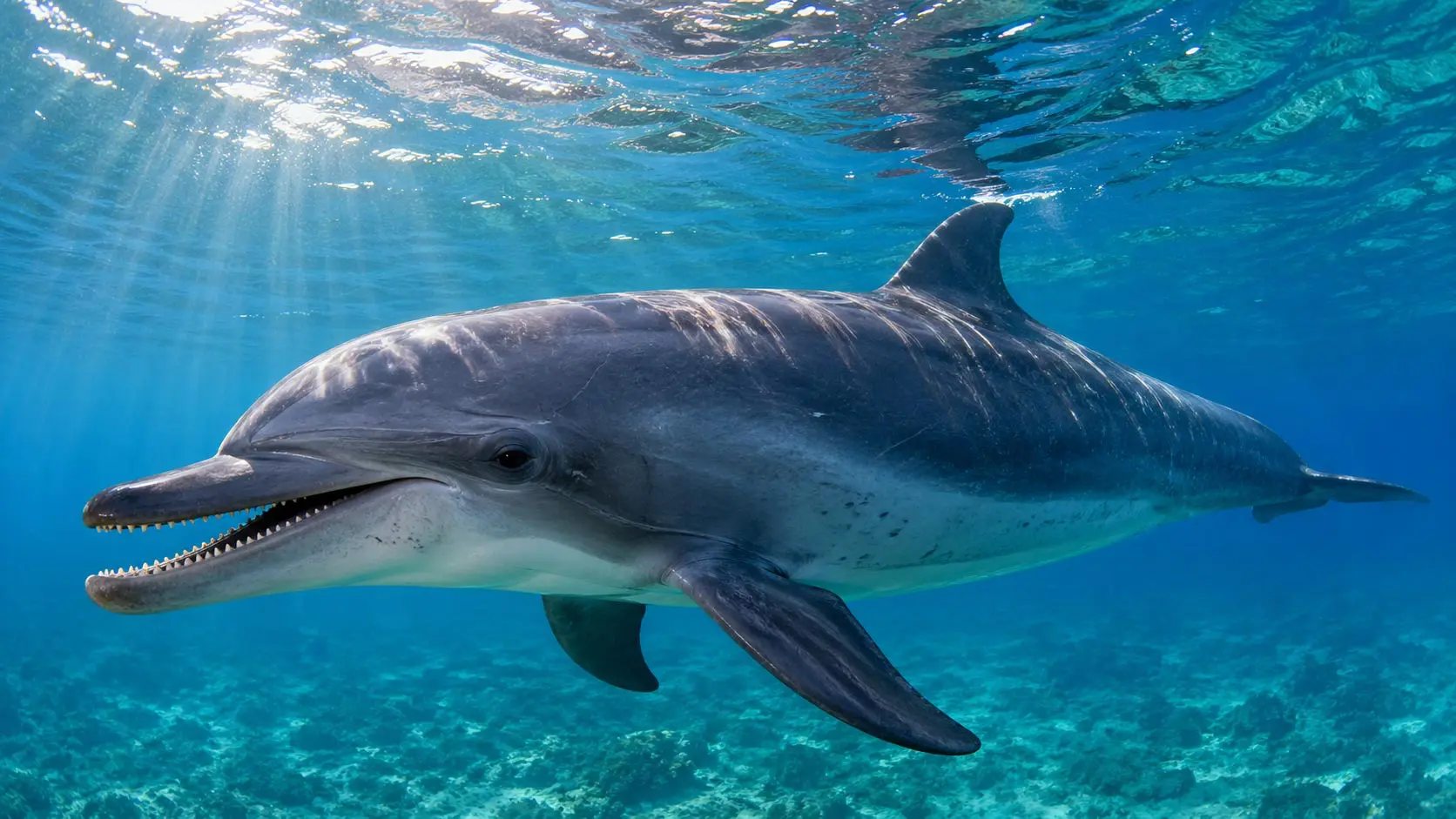
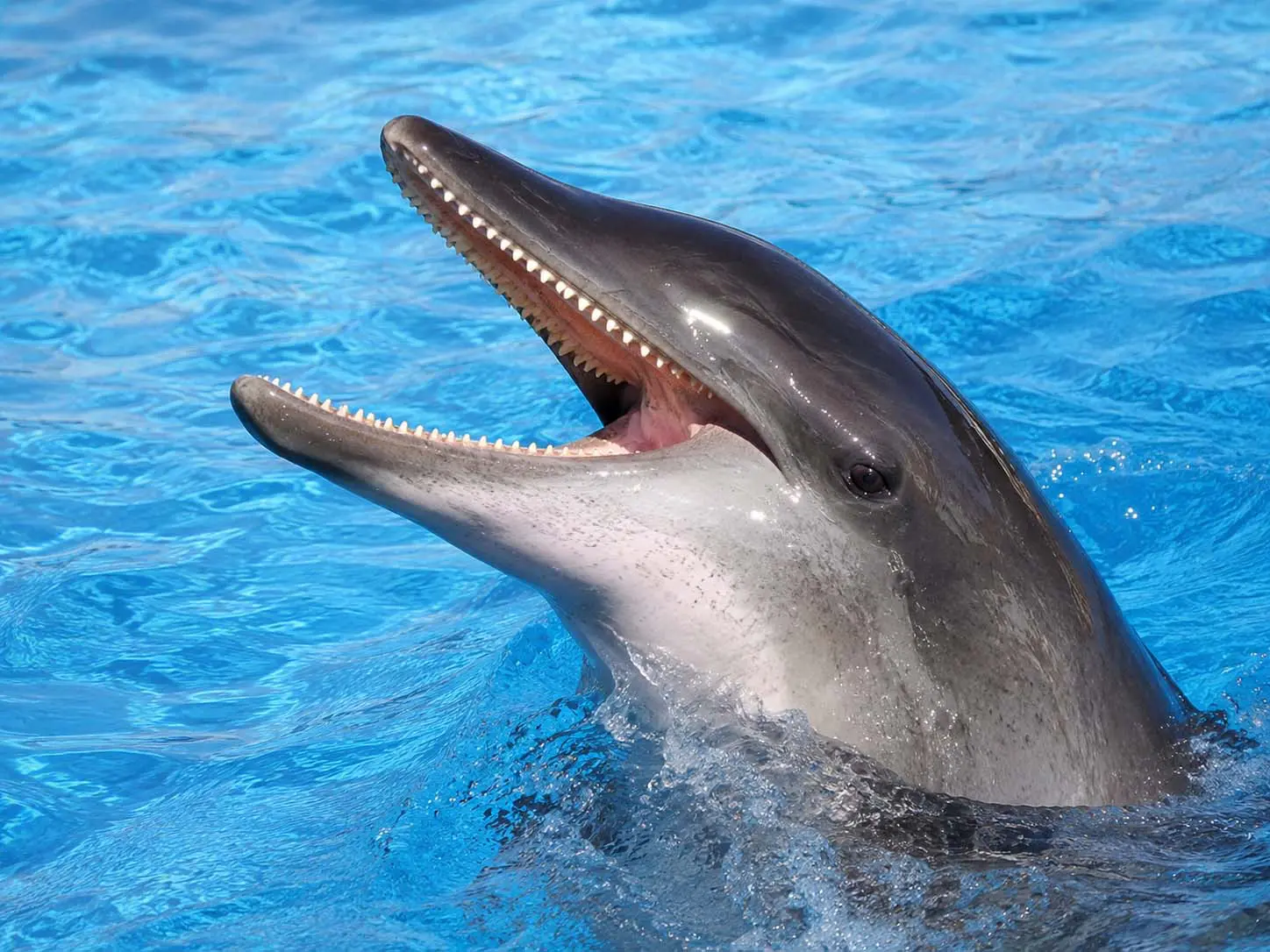
Yes, spinner dolphins have teeth, up to 250 of them. But every tooth is the same cone shape, and they only ever grow one set. Learn how those teeth work as a precision hunting tool, what they reveal about a dolphin's age, and what you are really seeing when dolphins smile off the Waianae Coast.

Continue ReadingDo Dolphins Have Teeth? The Surprising Truth About How Spinner Dolphins Bite, Grip, and Feed

How Fast Can Dolphins Swim? The Answer Will Surprise You

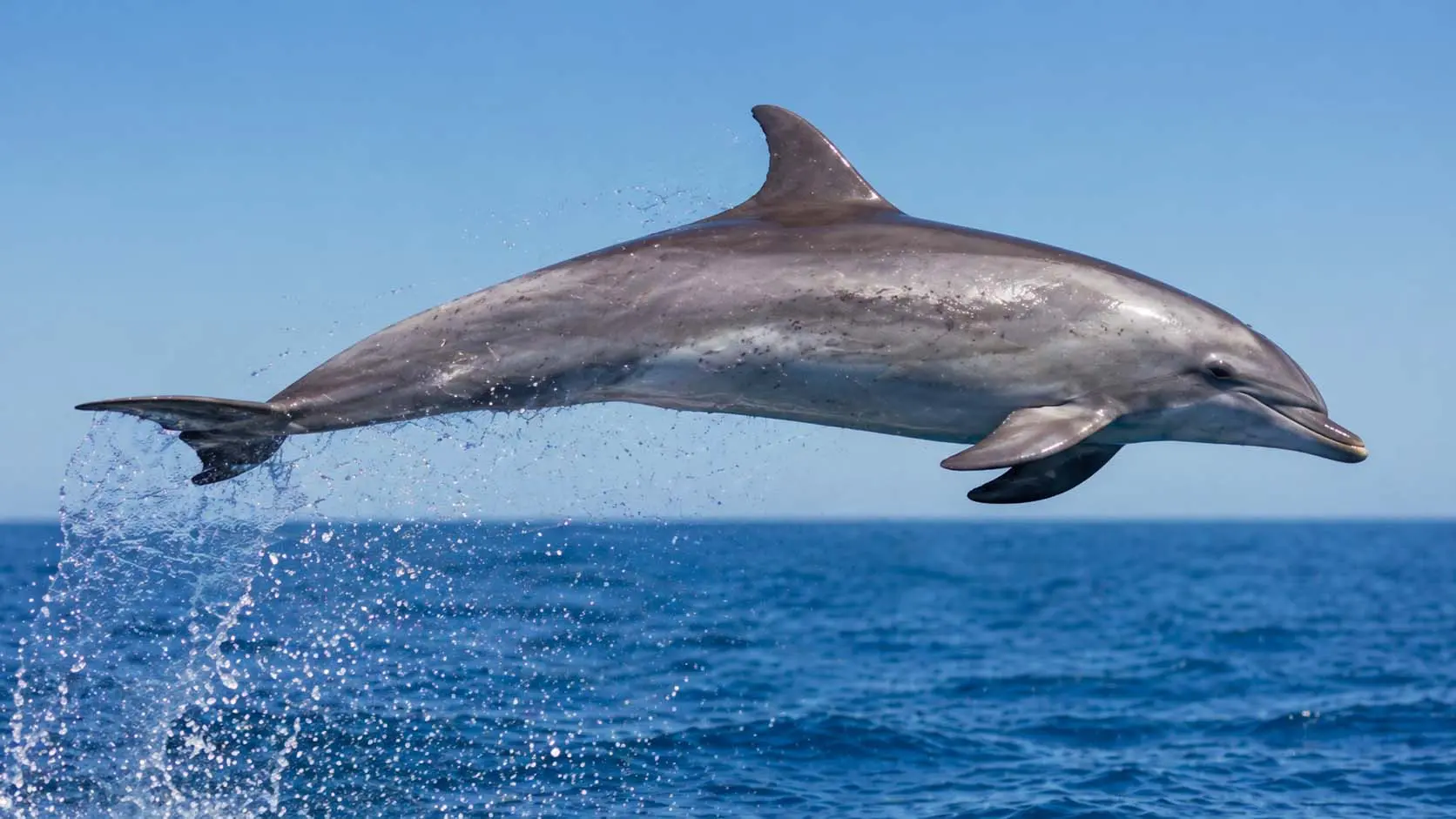
Hawaiian spinner dolphins can reach burst speeds of 20 to 25 miles per hour. A dolphin cruising at a moderate pace travels three to four times faster than a person swimming hard. Here is what is actually happening when a dolphin streaks past the boat, and why evolution built them this way.

Continue ReadingHow Fast Can Dolphins Swim? The Answer Will Surprise You