





Hawaiian culture is more than traditions — it is a way of life rooted in respect, connection, and harmony with nature.
From ancient chants and hula to modern mālama (caring for the land and ocean), understanding Hawaiian culture will transform how you experience Oʻahu.
Whether you’re visiting Hawaii for the first time or returning for another adventure, learning about local traditions, values, and ocean practices will help you connect more deeply with the island — and experience it the right way.
The “Aloha Spirit” is at the heart of Hawaiian culture.
While many people think of “aloha” as simply meaning hello or goodbye, it represents much more — a way of living with kindness, respect, and compassion for others and the natural world.
In Hawaii, aloha means:
Experiencing aloha is not something you just see — it’s something you feel through people, culture, and the environment around you.
Hawaiian traditions are deeply connected to the ocean, land, and spiritual beliefs. Many of these practices are still alive today and can be experienced in authentic ways.
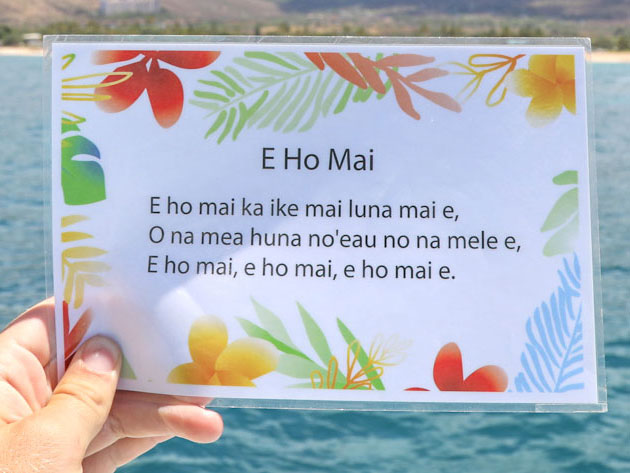
Before entering the ocean, it is common to offer a chant asking for safety and guidance.
One traditional chant you may hear is “E Ho Mai”, a Hawaiian prayer that asks for knowledge, protection, and respect for the journey ahead.
This practice reflects the deep cultural understanding that the ocean is powerful and should always be approached with humility.
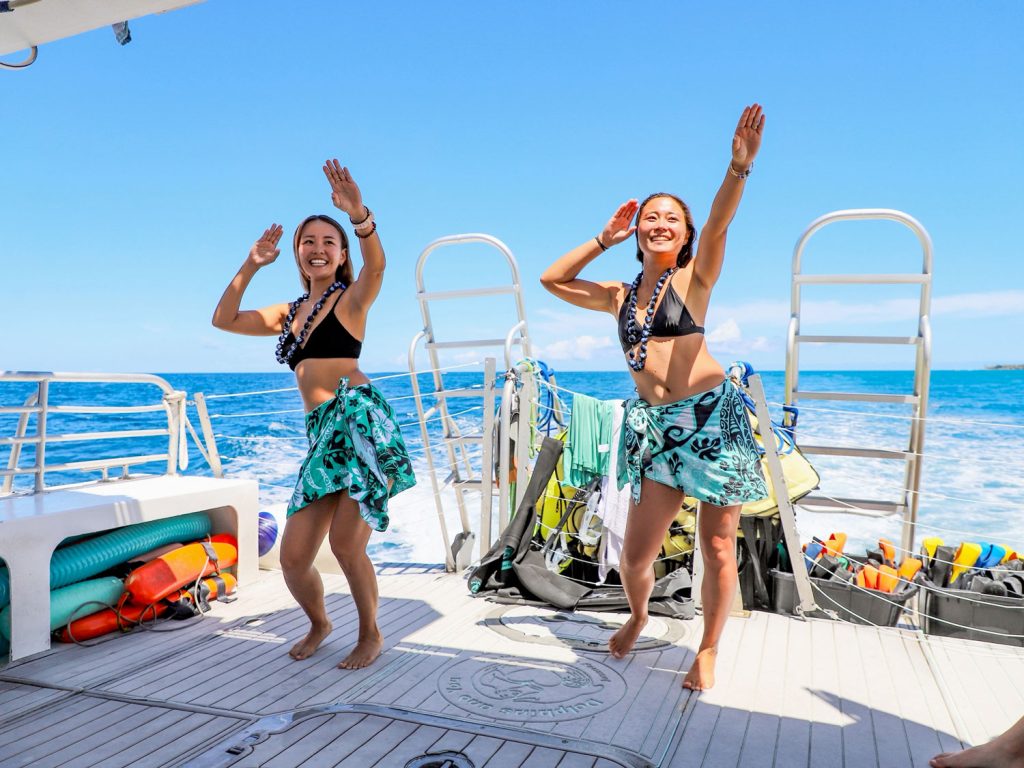
Hula is not just a dance — it is a form of storytelling.
Through movement, chants, and music, hula shares stories about Hawaiian history, nature, gods, and daily life.
Each gesture has meaning, and every performance carries cultural significance passed down through generations.
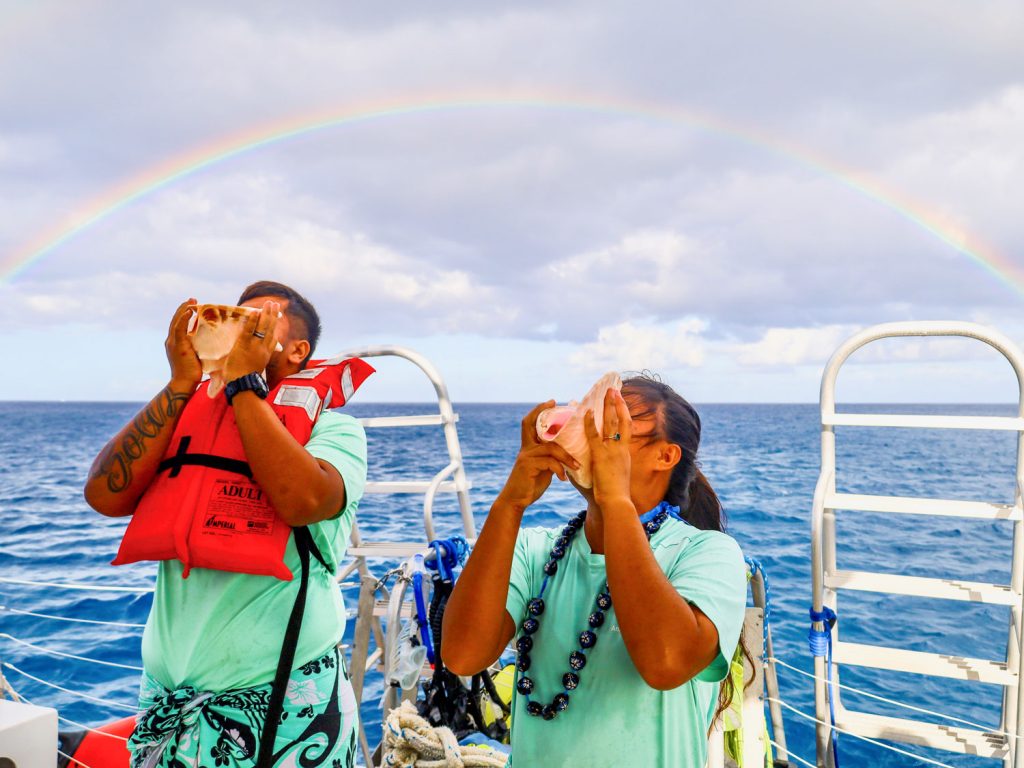
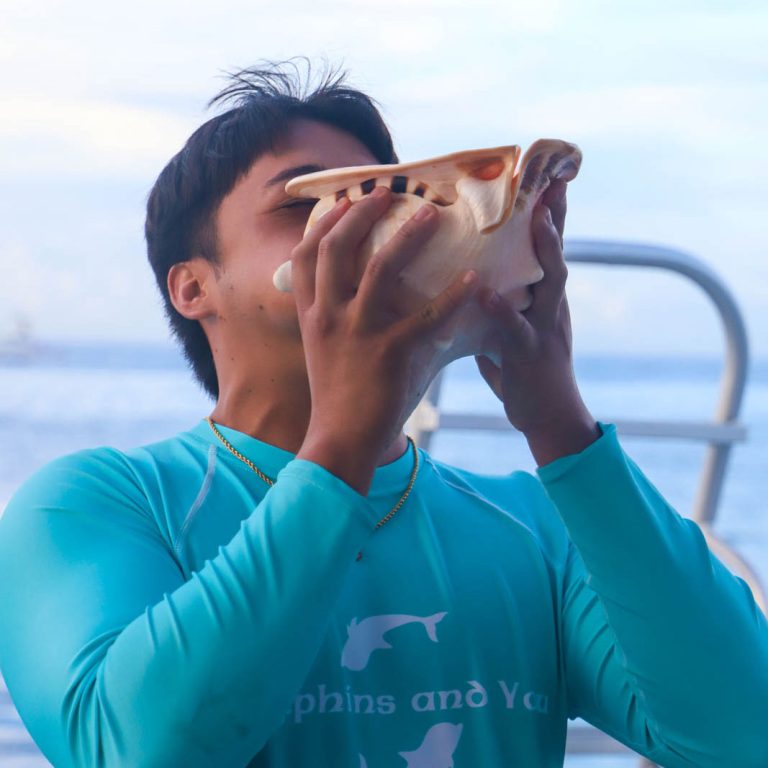
The blowing of a conch shell, known as “pū”, is traditionally used to announce important moments.
In Hawaiian culture, it can symbolize:
It is a powerful and symbolic sound deeply rooted in tradition.
Want to learn more about the traditions that continue to shape Hawaiian culture today?
👉 Explore traditional Hawaiian customs, food, music, hula, and cultural practices →
Hawaiian traditions are deeply connected to the ocean, land, and spiritual beliefs. Many of these practices are still alive today and can be experienced in authentic ways.
Modern Hawaiian experiences often include sustainable practices such as:
Even small actions, like picking up ocean debris or choosing eco-friendly products, contribute to mālama.
👉 Learn more about mālama and sustainable tourism in Hawaii→
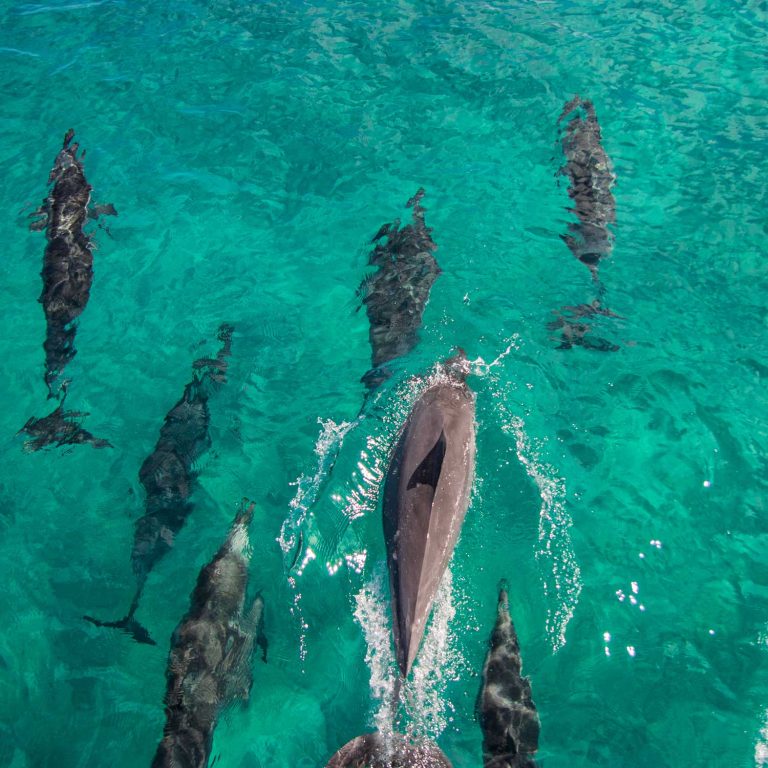
Hawaii is home to incredible marine life, including dolphins, turtles, and whales.
However, these animals are protected, and it’s important to observe them responsibly.
Visitors should always:
Responsible wildlife viewing helps preserve Hawaii’s natural beauty.
To help protect Hawaii’s fragile ecosystem, visitors are encouraged to adopt eco-friendly habits.

One of the most important is using reef-safe sunscreen, which helps prevent damage to coral reefs and marine life.
Using reef-safe sunscreen is one of the easiest ways to protect Hawaii’s coral reefs.
If you don’t have one, you can find reef-safe sunscreen at the Treasure & You store in Waikiki. It is also available on select dolphin tours for convenience.
Other simple practices include:
These small choices make a big difference.
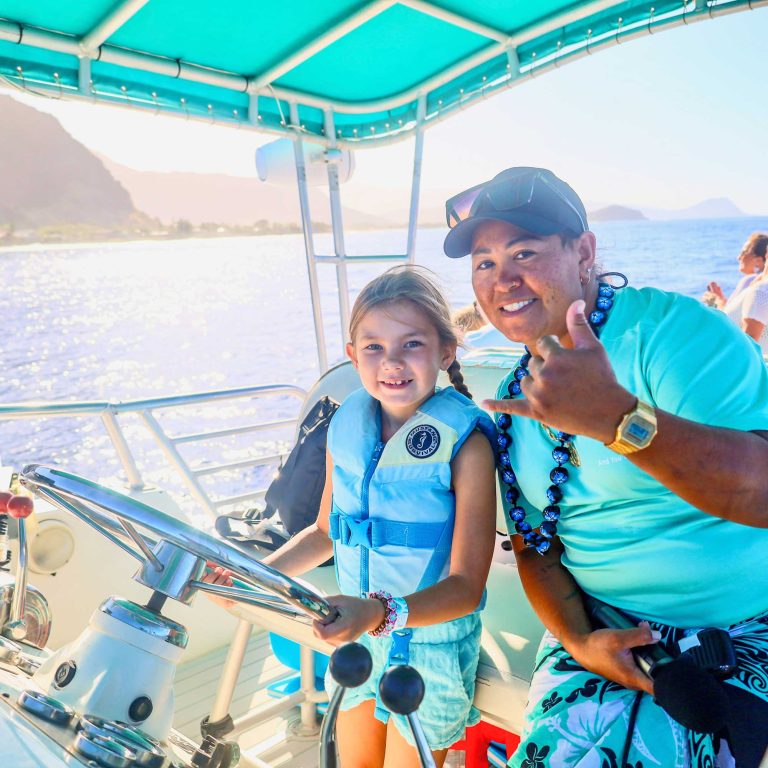
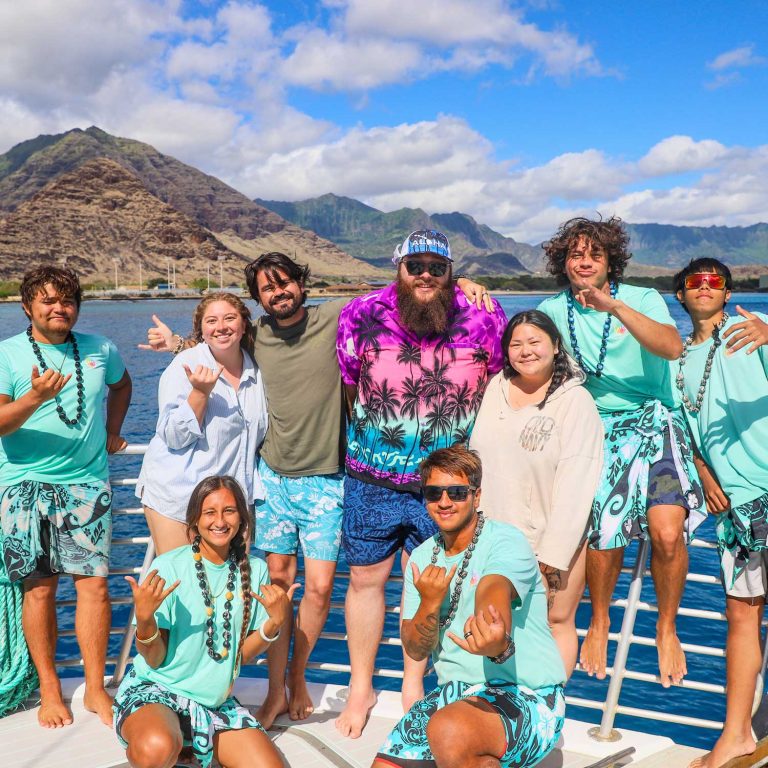
One of the best ways to experience Hawaiian culture is through local people.
Many local guides and crew members are:
Their stories, insights, and genuine aloha spirit create a much more meaningful experience than simply visiting as a tourist.
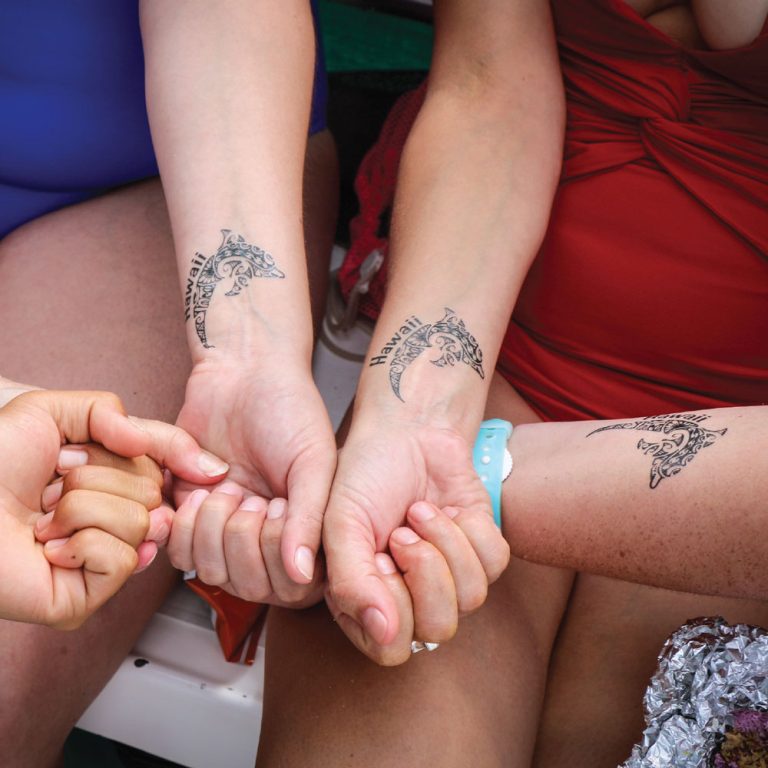
Cultural experiences in Hawaii often include small but meaningful details that reflect local identity.
These can include:
These moments help create a deeper connection to Hawaii beyond just sightseeing.
Want to experience Hawaiian culture beyond just learning about it?
On a guided ocean tour, you may have the opportunity to:
These experiences combine culture, nature, and adventure in a way that brings the aloha spirit to life.
👉 Check availability & experience Hawaiian culture on a dolphin tour →

Hawaiian culture is not something to simply observe — it is something to respect, learn from, and experience.
By understanding aloha, practicing mālama, and engaging with local traditions, your visit to Oʻahu becomes more meaningful, respectful, and unforgettable.
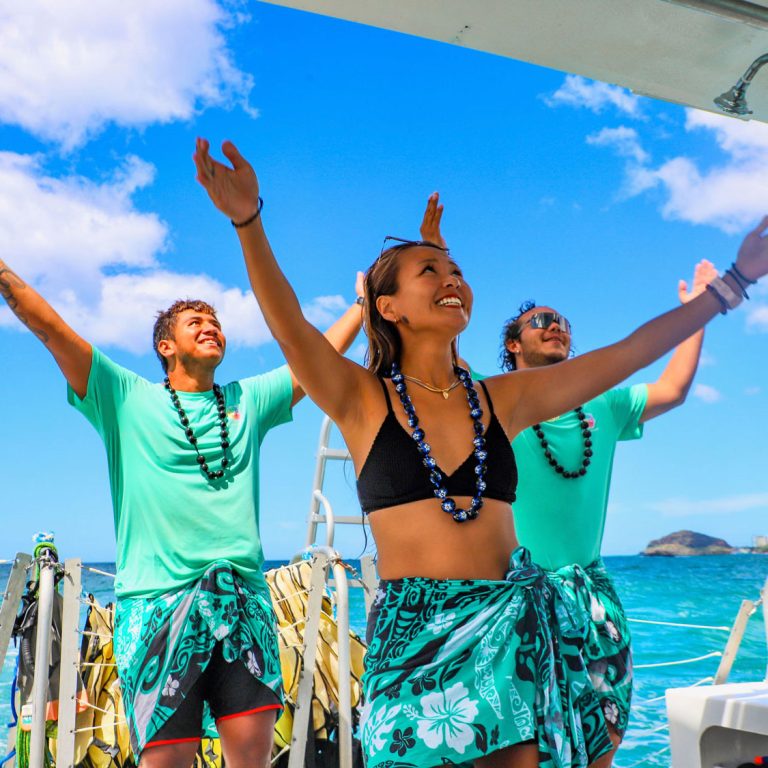
The aloha spirit is a core value in Hawaiian culture that represents kindness, respect, compassion, and connection with others and nature. It is more than a greeting — it is a way of life.
Mālama means “to care for” or “to protect.” In Hawaii, it reflects the responsibility to care for the land, ocean, and community, ensuring they are preserved for future generations.
Visitors can show respect by following local guidelines, treating nature with care, learning about cultural traditions, and supporting responsible tourism practices such as mālama.
Visitors can experience Hawaiian culture through hula performances, traditional chants (like E Ho Mai), local storytelling, and interactions with knowledgeable local guides.
Yes. Hawaii has strict regulations to protect marine life such as dolphins and turtles. Keeping a safe distance and avoiding disturbance is essential for both safety and conservation.
Yes. Some dolphin tours include authentic cultural elements such as traditional chants, local storytelling, and guidance from Hawaii-born crew members who share real aloha spirit. Learn more about Dolphins and You→
The best way is through meaningful, respectful experiences — combining cultural learning, interaction with local people, and eco-friendly activities like guided ocean tours. Check out Oahu’s most trusted dolphin tour→
