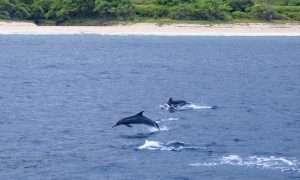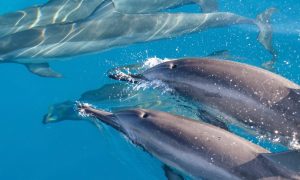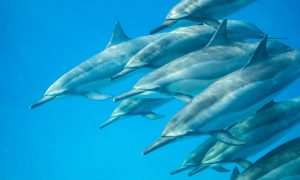

Turtles and You looks at how climate pressure is stacking up for dolphins in many parts of the world. Oahu dolphin climate change concerns mirror global trends that scientists track in coastal and open ocean habitats.
Habitat and food
Warmer seas can push prey into new areas, so dolphins must travel farther or hunt in places they do not know well. Sea level rise can erode or flood coastal zones that dolphins use for feeding and raising young. Changing ocean chemistry can weaken echolocation signals that dolphins need for hunting and communication.
Health and survival
- Extra heat and salty shifts from strong storms and unusual rain are linked to new skin diseases that can be deadly.
- Marine heatwaves and damaged habitats reduce food, which can lower birth rates and cut overall reproductive success.
- Melting ice and more runoff can boost contaminants. These build up in dolphin tissues and harm the immune and reproductive systems.
Distribution and behavior
Many dolphins are shifting ranges to follow cooler water and the prey that move with it. As ranges shift, dolphins may enter zones with more fishing gear and boat traffic, which raises the risk of injury or death.
Vulnerable populations
- Species and groups with small or limited ranges face the highest risk because they cannot easily move or switch prey.
- Some common bottlenose dolphins in bays, sounds, and estuaries in the Gulf of Mexico already rank as highly vulnerable to climate stress.
- If pressures stack up, some populations could decline sharply and a few species could face extinction.
What is the biggest threat to dolphins
- Today the largest driver is rapid climate change. It changes where prey live, reduces safe habitat, alters ocean chemistry that supports echolocation, and raises stress that hurts health and reproduction. Linked risks include more contact with fishing gear and busy boat routes as dolphins move to new areas.
What ocean animal is most at risk from climate change
- Risk varies by region and species. Within dolphins, groups with limited ranges are among the most at risk because they have fewer options to move or adapt.
- A clear example is some common bottlenose dolphin populations in Gulf of Mexico estuaries that are already flagged as highly vulnerable.
Why is it not safe to swim with dolphins
- Close contact can add stress to wild dolphins that are already coping with heat, food changes, and disease.
- Human activity in crowded waters often comes with gear and boats, which increases the chance of harm to dolphins.
What is a dolphin’s biggest enemy
- The most serious enemy right now is the pace of ocean change. Heat, sea level rise, shifting prey, and changing chemistry weaken dolphin health and survival.
- Entanglement risk grows as dolphins enter areas with more fishing gear and boat traffic.
Keeping Dolphins in a Future They Can Survive
Dolphins are fast and smart, but they cannot outswim a changing ocean. Warmer water, rising seas, shifting prey, and altered chemistry stack pressure on every stage of their lives. As ranges move, so does risk from gear and boats. Some populations have very little room to adjust. Paying attention to Oahu dolphin climate change signals helps us see the bigger picture. The sooner we act to ease these pressures, the better the odds that dolphins will thrive in the years ahead.