


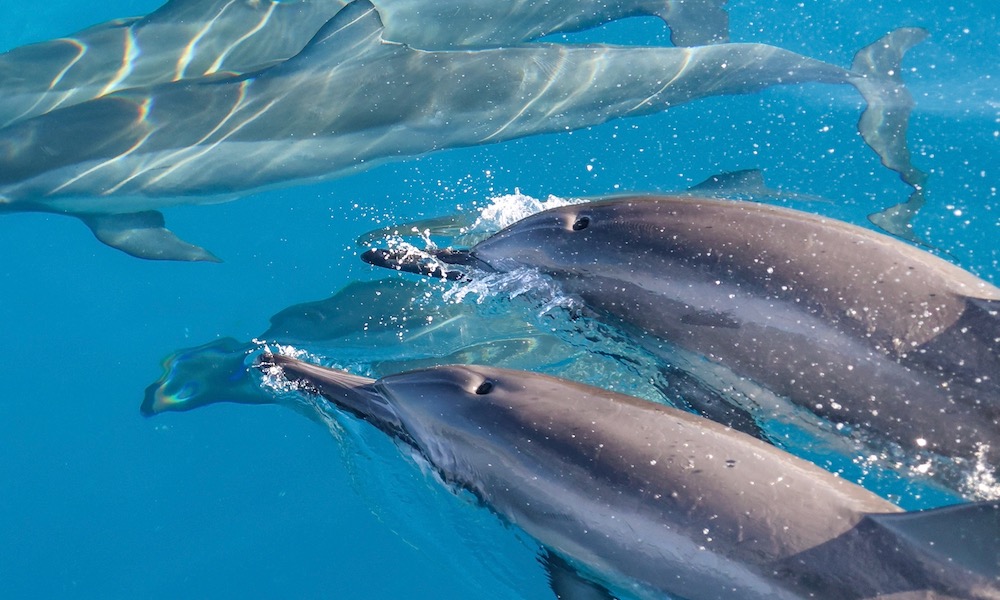
A Better Way to Meet Dolphins on Oahu
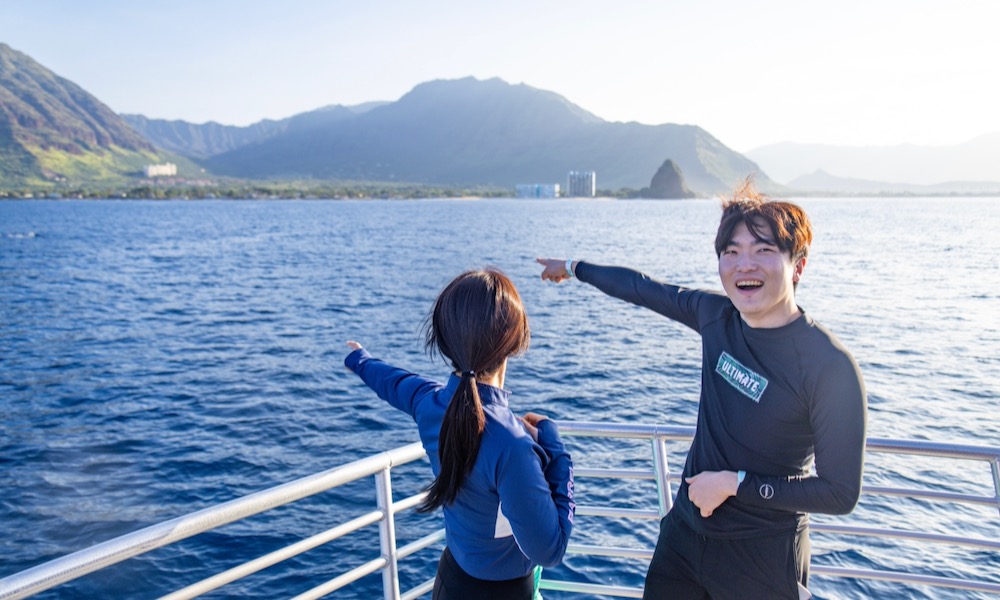
The ocean around Oahu feels different in the early morning. The water is calmer, the sky is soft, and you can hear the island waking up before the day gets loud. Out here, responsible dolphin tourism is not just about spotting wildlife. It is about listening to the place, respecting the animals, and learning from the people who live closest to the shoreline.
This blog explains what responsible Oahu dolphin tours mean in Hawaiʻi today, and why local communities are shaping the standards. You will learn what has changed, why it matters for dolphins and people, and how to choose a tour that does it right.
Overview: What Responsible Dolphin Tourism Means in Hawaiʻi Today
A responsible Oahu dolphin tour focuses on the dolphins first, not the photo. It treats dolphins as wild animals with needs, patterns, and limits. It also respects the communities that share these coastlines every day. The best tours today are not built on chasing excitement. They are built on calm observation, smart decision-making, and a deeper understanding of Hawaiʻi as a living culture.
In this post, you will see how local voices are helping redefine the experience so it stays safe, respectful, and meaningful for everyone involved.
Why This Topic Matters Now
Dolphin tourism in Hawaiʻi grew as more visitors looked for ocean adventures and social media moments. Over time, popular viewing areas started to feel crowded. Some tours focused too heavily on close encounters, and that created tension with residents and ocean users who witnessed the impact firsthand.
The stakes are real, and they are not only about tourism.
What is at stake for dolphins
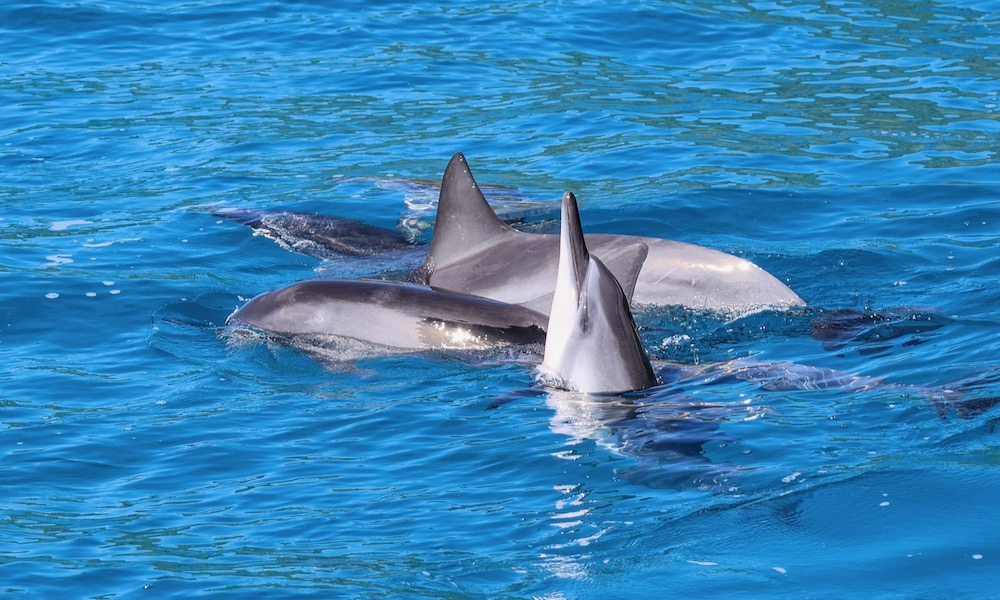
When dolphins are pressured by boats or people, it can interrupt their natural behavior. Dolphins need time to rest, especially in calm areas where they recover energy. If they are repeatedly disturbed, it can add stress and lead to changes in movement and behavior over time.
What is at stake for the community
Coastlines are not just visitor attractions. They are places where families fish, paddle, gather, and practice traditions. When tours overwhelm an area, it can affect access, create conflict, and turn meaningful places into crowded stages. Responsible tourism includes cultural respect, not just wildlife viewing.
What is at stake for visitors
Guests often arrive with big expectations. But the ocean is not a theme park. Unsafe boat behavior, rushed decisions, or unrealistic promises can put people at risk. Responsible tours help guests understand what is realistic and what is safe, before they ever leave the harbor.
Local Communities as the Standard-Setters
On Oahu, many of the strongest standards come from community expectations. Community-led does not mean a few words on a website. It means real choices shaped by people who have a long relationship with the ocean.
Local leadership shows up in different ways:
- Cultural practitioners and kupuna who emphasize respect for place and life
- Local conservation groups that focus on wildlife well-being and smarter tourism
- Responsible captains and crews who were raised here and know these waters deeply
- Residents who see the daily patterns and speak up when things drift the wrong way
These voices are helping shift dolphin tours away from pressure and toward responsibility.
Core Principles Communities Push For
Below are the ideas that show up again and again when local communities talk about responsible dolphin tourism. These are simple, but they change everything.
- Observe, do not chase
Responsible tours keep a respectful distance and avoid aggressive approaches. Dolphins should lead the interaction by staying near, not by being followed. - Let dolphins rest
Rest matters. Many responsible operators avoid disturbing dolphins in calm resting areas, especially during morning hours when rest is critical. - Less is more
Smaller groups and fewer boats create a quieter experience. Less crowding reduces stress for wildlife and makes the trip feel more peaceful for guests too. - Education before entertainment
A strong tour gives guests a real briefing, not just hype. Visitors should understand dolphin behavior, ocean conditions, and what respectful viewing looks like. - Culture is not a prop
Hawaiʻi is not a set. Respect shows up in language, tone, and behavior. Responsible tours treat place names, local knowledge, and community values with care. - Leave no trace on the ocean
Clean oceans are not optional. Responsible tours emphasize trash prevention, reef-safe habits, and reducing noise and disruption on the water.
What Responsible Dolphin Tours Do Differently
A responsible Oahu dolphin tour is not defined by one moment. It is defined by the choices made across the whole trip.
On-water behavior standards
Responsible tours focus on calm, predictable boat handling. They avoid cutting off dolphins, crowding them, or boxing them in. They also limit how long they stay near a pod and choose angles that reduce pressure on the animals.
Crew training and guest briefings
Before the action starts, guests should be prepared. Responsible crews explain rules clearly and set expectations early. They also guide behavior during the trip, so guests do not accidentally create stress for the animals or unsafe situations for themselves.
Trip design changes
Some of the biggest improvements are quiet ones. Responsible tours adjust routes, timing, and decisions based on conditions. If dolphins seem stressed or the area is too crowded, strong operators change plans and choose alternatives rather than forcing an encounter.
Ethical marketing
Responsible tours avoid language that pushes risky choices. You should not see promises that pressure a captain to deliver an unrealistic moment. Ethical operators do not bait wildlife, and they do not build their business around guaranteed close contact.
Data-minded operations
Some responsible tours keep logs of sightings and conditions, share information with partners, and stay connected with researchers or reporting efforts. This mindset treats tourism as something that can be improved through awareness and accountability.
The Visitor Mindset Shift: From Bucket List to Privilege
The most important change might be the guest mindset. A responsible dolphin tour starts when a visitor understands one truth. You are entering an animal’s home.
Many guests assume dolphins will perform, stay close, or behave predictably. Local voices push back against that idea. Dolphins are wild, and that is part of what makes seeing them special. The best experience is often quieter and more respectful, and it usually feels more real.
A calm tour can still be exciting. In fact, it often feels more powerful because it is not rushed. It is not forced. It is honest.
Community Benefits When It Is Done Right
When dolphin tourism is guided by community standards, everyone wins long term.
- It protects future wildlife viewing
Less pressure on dolphins helps keep sightings possible over time. - It supports local jobs with pride
Responsible tourism creates work that feels aligned with care, not conflict. - It reduces friction at shorelines and harbors
Better behavior on the water leads to fewer conflicts near popular coastal areas. - It strengthens respect for Hawaiʻi beyond dolphins
Visitors who learn respectful wildlife viewing often carry that respect to reefs, monk seals, turtles, and the communities that call these places home.
Practical Checklist: How to Choose a Responsible Oahu Dolphin Tour
Use this checklist when you are comparing options. It helps you spot tours that are built around respect, not pressure.
- The website clearly states no chasing and no harassment
- The tour emphasizes education before the boat leaves the dock
- Group size feels reasonable, and the approach style is calm
- The company avoids promises that force bad decisions, including guaranteed swim language
- The tour respects local guidance and avoids disturbing resting areas
- The messaging includes safety and marine stewardship, not just excitement
A responsible tour will usually be proud to explain its approach. If a company avoids the topic or leans too hard into guaranteed outcomes, that is a signal.
What You Can Do If You See Irresponsible Behavior
If you notice unsafe or disrespectful behavior on the water, your response matters. Stay calm and avoid escalating the situation in the moment. The goal is safety first.
Here are better steps:
- Document responsibly: note time, location, and any visible boat name or identifying details
- Report through appropriate channels: state wildlife contacts, NOAA guidance pathways, or harbor authorities
- Leave honest reviews focused on behavior and safety, not personal attacks
Thoughtful reporting supports better standards without turning the moment into conflict.
Let Hawaiʻi Lead the Way
Local Hawaiian communities are not trying to end dolphin tourism. They are trying to protect what makes it worth doing in the first place. Responsible Oahu dolphin tours are being redefined by people who understand these waters as more than a vacation backdrop. They see the ocean as home, culture as living, and wildlife as something to protect, not pressure.
If you want a dolphin tour that feels real, choose one that honors the animals and the island. The best memories are the ones made with respect, and the future of dolphin tourism in Hawaiʻi depends on it.