


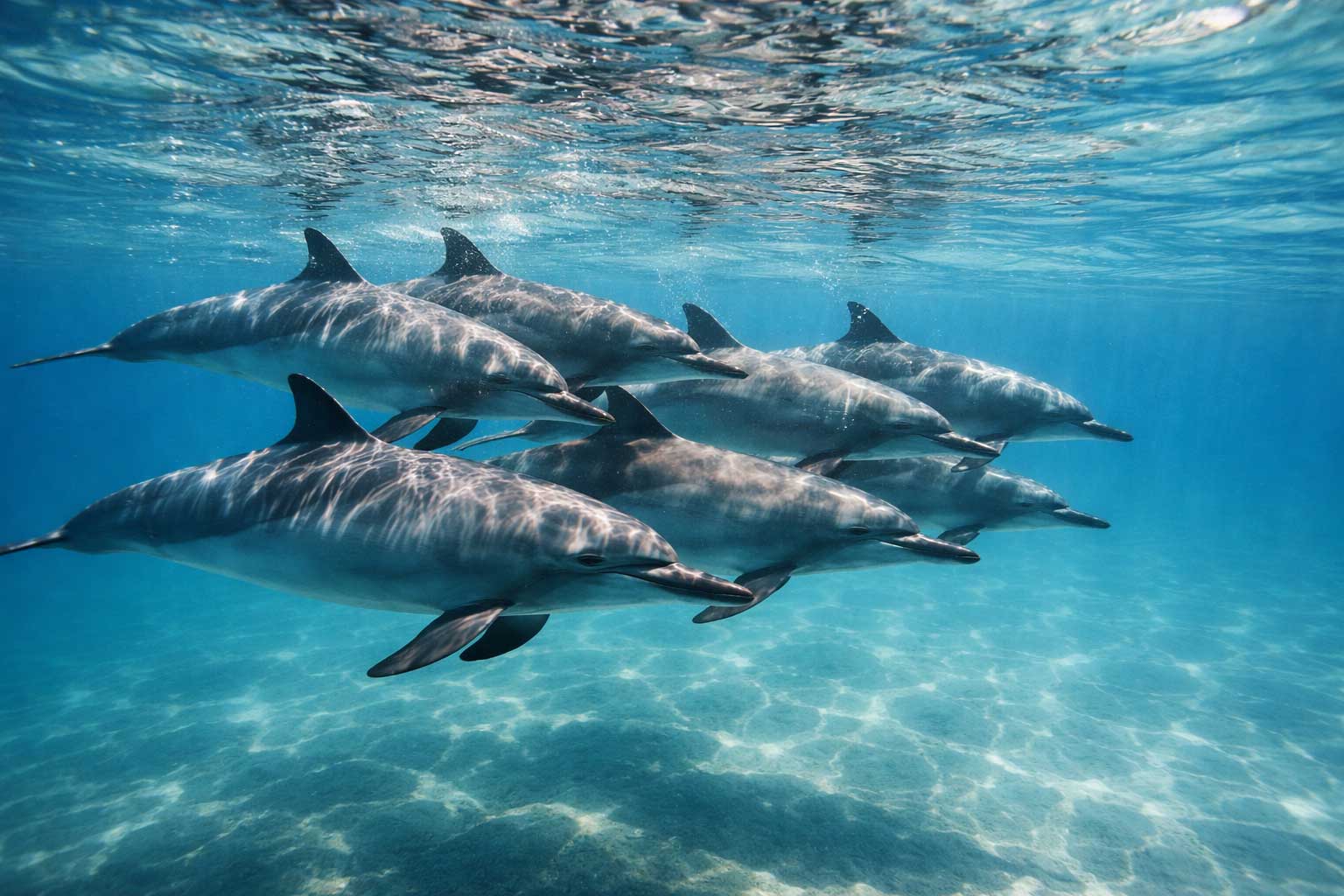
Dolphins Form Real Friendships, and the Science Behind It Will Surprise You
Dolphins are not just social animals. They are deeply loyal ones. From the spinner dolphins off the Waianae Coast of Oahu to bottlenose dolphins in the open Atlantic, these animals form bonds that go far beyond simply swimming in the same group. They recognize each other as individuals, maintain long-term relationships, and even show signs of grief when those relationships end. If you have ever watched a pod of dolphins move together in perfect sync, you were probably watching something that took years of trust to build.
Dolphin pods look effortless from the outside. A group of fins breaking the surface, a few spins, maybe a splash, and then they are gone. But inside that pod is a full social world. Dolphins know who they can count on, who they prefer to travel with, and who they are willing to go out of their way to help. The more researchers study dolphin society, the more it looks like something we can actually relate to.
A Pod Is Not Just a Group
When people hear the word pod, they sometimes picture a neat, fixed group of animals that always travels together. Dolphin society is more flexible than that. Spinner dolphins in Hawaii, for example, can gather in groups ranging from a handful of individuals to several hundred at a time. These gatherings shift throughout the day depending on what the dolphins are doing, whether that is resting in shallow waters, socializing at the surface, or heading out to deeper water to feed at night.
Within those shifting numbers, individual dolphins have their own inner circles. Scientists describe this kind of social organization as a fission-fusion society, which means the group splits apart and comes back together depending on circumstances. The key word is comes back. When a dolphin separates from a close companion and reunites with them later, the greeting is recognizable. Dolphins will rub against each other, swim side by side, and vocalize in ways that signal recognition and familiarity. These are not random interactions. They are reunions.
Signature Whistles Work Like Names
One of the most remarkable discoveries in dolphin research is the signature whistle. Every dolphin develops a unique whistle in the first few months of life, and that whistle essentially functions as a name. Dolphins use their own signature whistle to announce themselves, and they use the signature whistles of other dolphins to call for specific individuals.
This means when a dolphin wants to find a particular companion, it does not just make noise and hope the right one shows up. It calls out that dolphin’s individual sound. Other dolphins in the area learn to recognize these calls and can identify which individual is being called even when that dolphin is not present. Researchers have documented dolphins responding to their own signature whistle after years of separation, which suggests these acoustic identities are remembered for a very long time, possibly for life.
On tour at Dolphins and You off the coast of Oahu, guests often get a close look at spinner dolphins interacting at the surface. What looks like playful behavior is often communication happening at a speed and complexity that the human eye and ear can only partially track.
Male Alliances Run Deep
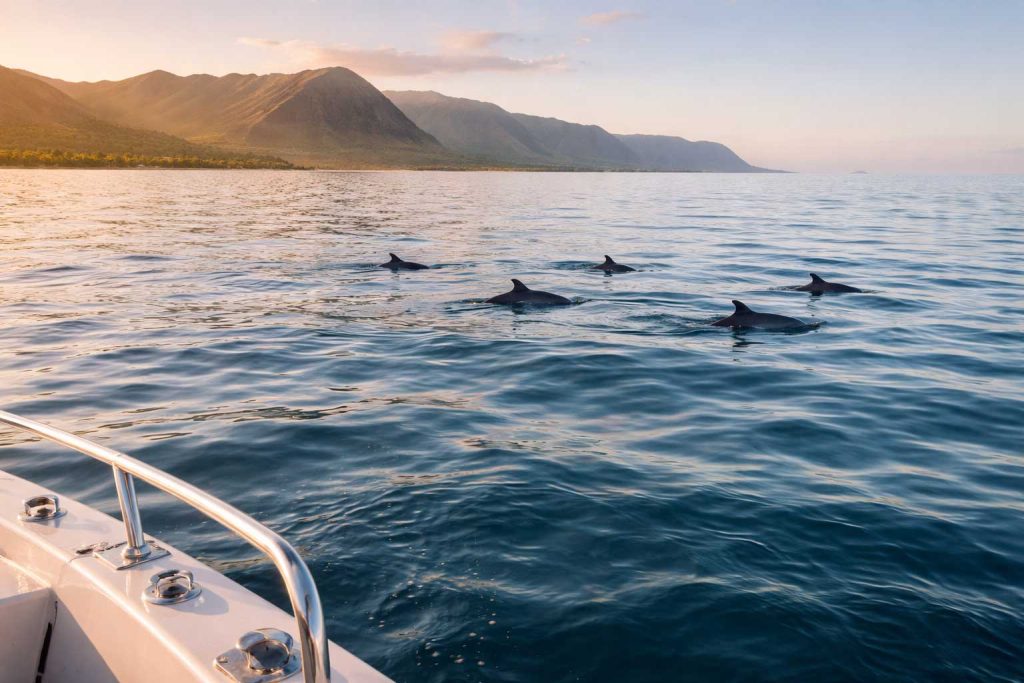
Among bottlenose dolphins, male social bonds can become remarkably strategic. Males often form alliances with two or three other males to cooperate during competition with rival groups. These alliances are not casual. They require a history of working together, a level of trust built through experience, and a kind of social memory that tracks who helped in the past and who did not.
In some dolphin populations, researchers have observed what they call second-order alliances, which are groups of alliances that team up with other alliances when the situation calls for it. The social math involved is genuinely complex. To participate in these structures, a dolphin needs to track individual identities across a large group and remember past interactions well enough to make decisions about cooperation. That kind of social intelligence places dolphins in rare company in the animal kingdom, alongside great apes, elephants, and humans.
Females Build Support Networks
Female dolphins tend to organize their social lives differently than males, though no less meaningfully. A female spinner dolphin or bottlenose dolphin often travels with other females and their young calves in what researchers sometimes call nursery groups. Within these groups, females share information about safe resting spots, support each other when threats appear, and sometimes assist during difficult moments like calving.
The bond between a mother dolphin and her calf is one of the most sustained in the animal world. A dolphin calf stays with its mother for anywhere from three to six years depending on the species. During that time the mother teaches the calf where to find food, how to navigate, and how to interact with other dolphins. She is not just feeding her offspring. She is raising a socially competent animal that will need to build and maintain its own relationships for decades.
Dolphins Remember and Mourn
The depth of dolphin social bonds becomes most apparent in the way dolphins respond to loss. There are multiple documented cases of dolphins staying with the bodies of deceased companions, sometimes for days. Mothers have been observed carrying deceased calves for extended periods, behavior that most researchers interpret as an expression of grief or at minimum a strong reluctance to separate from a known individual.
This behavior is significant not just emotionally but cognitively. To grieve, an animal must recognize that a specific individual is gone, not just that the group dynamic has shifted. That requires a memory of the individual as a distinct social partner, which circles back to everything else we know about dolphin intelligence, signature whistles, long-term alliances, and the ability to track complex social relationships across time.
What This Means When You Watch Dolphins in Hawaii
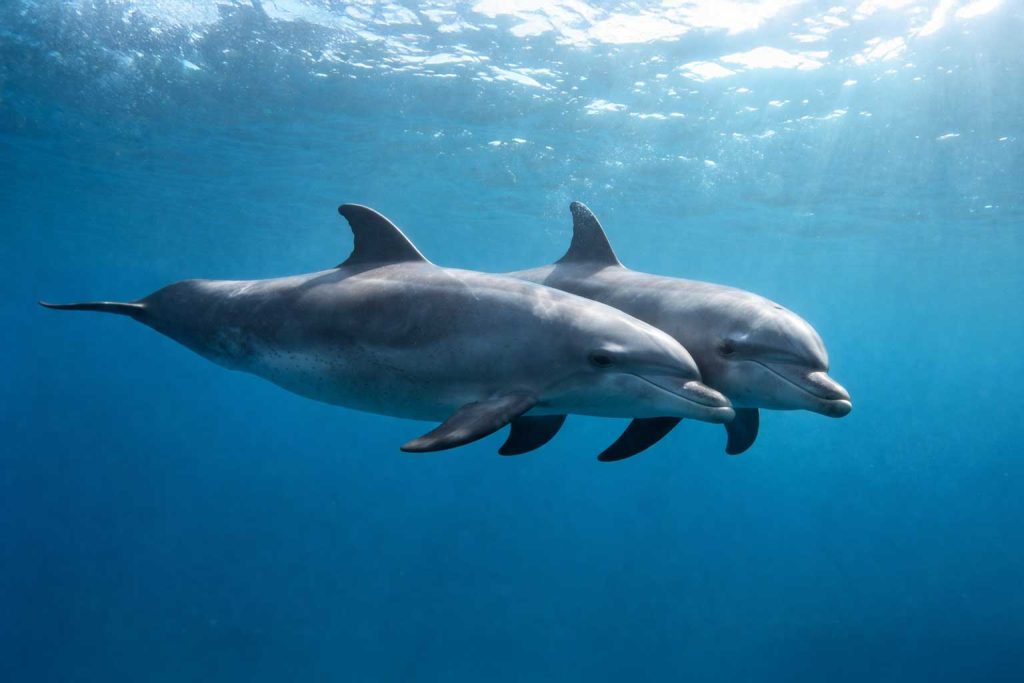
Watching a pod of spinner dolphins in the wild off Oahu carries more weight once you understand the social layer beneath the surface. The dolphins you see are not strangers bumping into each other at sea. Many of them have known each other for years. Some are mothers and their grown offspring. Some are alliances that have worked together through competition and cooperation. Some may be old companions who were separated and found each other again.
The Dolphins and You tour departs from Ko Olina and operates along the west coast of Oahu, where spinner dolphins are seen regularly in their natural habitat. Guests observe these animals as they surface, interact, and move together, which offers a window into exactly the kind of social life described here. The experience is different once you know what you are actually looking at.
The Ocean Has Always Kept This Secret
The social world of dolphins is not something most people think about when they watch a pod leaping alongside a boat. But it is there beneath every surface interaction, every whistle, every moment of two dolphins swimming side by side. These animals know each other. They choose each other. They remember each other across years of open ocean. That kind of connection does not look like much from the outside, but it is one of the most sophisticated social systems in the natural world. The next time you see dolphins off the coast of Oahu, you are not watching a random gathering. You are watching a community.